
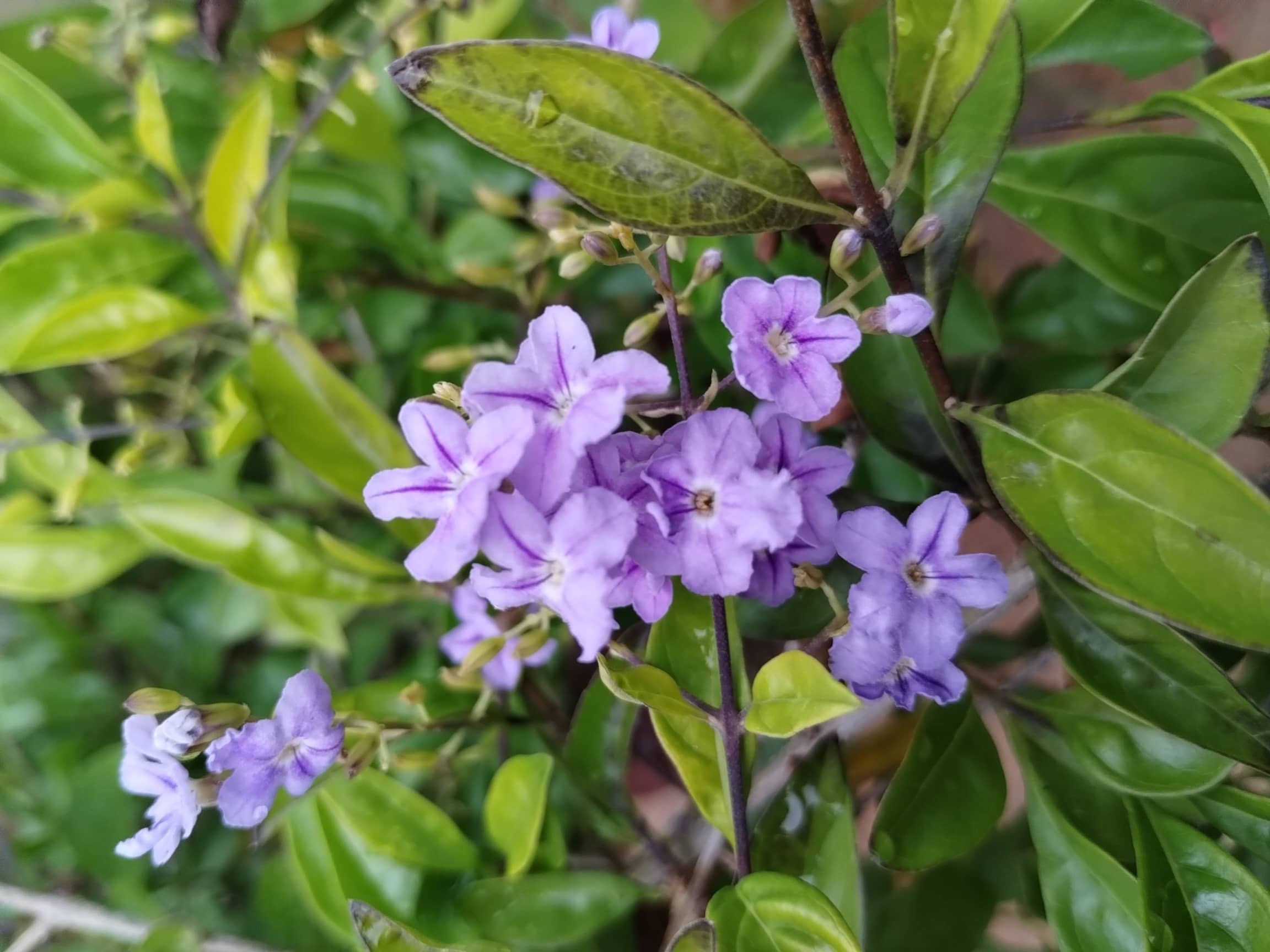
Duranta erecta
Duranta erecta
Basic Details
Floral Formula & Features
Ebracteate (no bracts), radially symmetrical (actinomorphic), bisexual, 5 free sepals, 5 fused petals forming tube with spreading lobes, 4 free stamens (didynamous), 2 fused carpels with superior ovary
- Named after Italian botanist and physician Castore Durante (1529-1590). 'Erecta' means 'upright' in Latin, though plant often has arching growth. 'Golden Dewdrop' for bright golden-orange berries. 'Skyflower' for blue-purple blooms. 'Pigeon Berry' as birds eat berries (toxic to humans). About 30 Duranta species
- Flowers 0.5 inches (1-1.5 cm) across, small tubular blooms with 5 spreading lobes. Colors include purple, blue, violet, lavender, or white, often with white edges. Arranged in graceful, drooping racemes 4-6 inches long. Blooms followed by clusters of round berries 0.5 inches across, ripening from green to bright golden-orange
- Evergreen shrub that blooms nearly year-round in tropical climates, primarily spring through fall in subtropical areas. Fast-growing, reaching mature size in 2-3 years. Can be pruned as formal hedge or allowed to grow naturally with arching branches. Some varieties have thorns
- Grows 6-15 feet (2-4.5 m) tall and wide if unpruned, typically maintained at 3-6 feet in landscapes. Lifespan of many years (10-20+). Propagated easily from semi-hardwood cuttings (root in 2-3 weeks), seeds, or layering. Responds well to pruning
- Native to Mexico, Central America, South America, and Caribbean. Found in tropical forests, coastal areas, and disturbed sites. Now widely cultivated throughout tropics and subtropics worldwide. Can become invasive in some regions (Florida, Hawaii, Australia)
- Thrives in full sun to partial shade (blooms best in sun). Adapts to various well-drained soils. Drought tolerant once established but grows better with regular water. Tolerates heat, humidity, and salt spray. Frost tender (damaged below 32°F/0°C). Prune regularly to maintain shape
- Popular hedge, screen, and foundation plant. Attracts butterflies, bees, and hummingbirds. Berries attract birds but toxic to humans and pets (causes vomiting, drowsiness). Variegated cultivars ('Gold Edge,' 'Variegata') especially popular for foliage. Fast growth makes good for quick screening. Can become weedy in tropical areas
Names in Different Languages
What is Floral Formula?
A floral formula is a symbolic representation of a flower's structure using letters, numbers, and special symbols. It provides a concise way to describe the arrangement and number of floral parts.
This formula describes the flower's symmetry, sepals, petals, stamens, and carpels in a standardized format.
Formula Sequence
- Bract: Br or Ebr
- Bracteole: Brl or Ebrl
- Symmetry: % (Radial) or ⊕ (Bilateral)
- Sex: ♀ (Female), ♂ (Male), or ⚥ (Bisexual)
- Calyx/Sepal: K<number> (Free or Fused)
- Corolla/Petal: C<number> (Free or Fused)
- Androecium: A<number> (Free or Fused)
- Gynaecium: G<number> (Superior or Inferior Ovary)
Symbol Meanings
- Numbers: Indicate quantity of parts
- Parentheses (): Parts are fused together
- Plus (+): Parts in different whorls
- Underline: Superior ovary position
- Overline: Inferior ovary position
- ∞: Numerous parts (too many to count)
Understanding floral formulas helps botanists quickly identify and classify flowers based on their structural characteristics.
Similar Flowers
Discover flowers that share botanical characteristics
Same Family
2
Similar Characteristics
4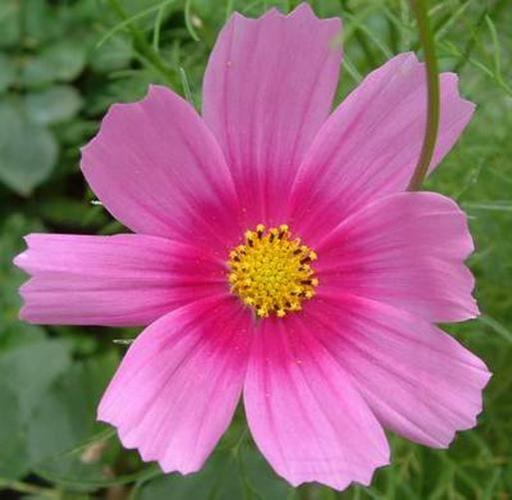
Mexican Aster
Cosmos bipinnatus
Graceful annual with airy, fern-like foliage and cheerful daisy-like flowers in ...
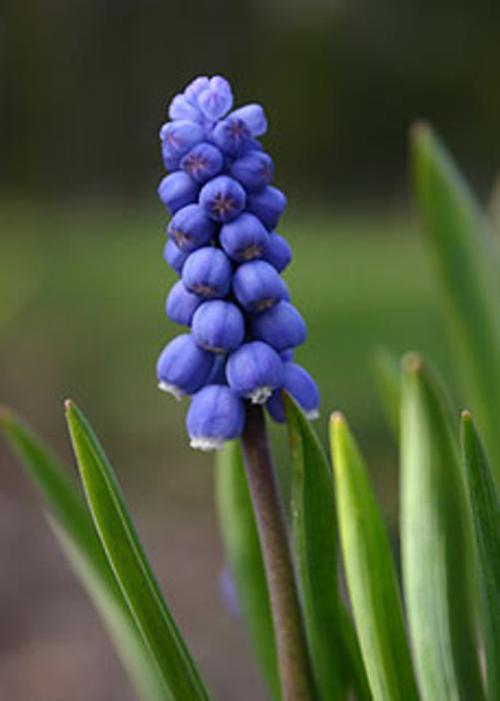
Grape hyacinth
Muscari
Charming spring bulb featuring dense spikes of tiny, urn-shaped flowers in rich ...
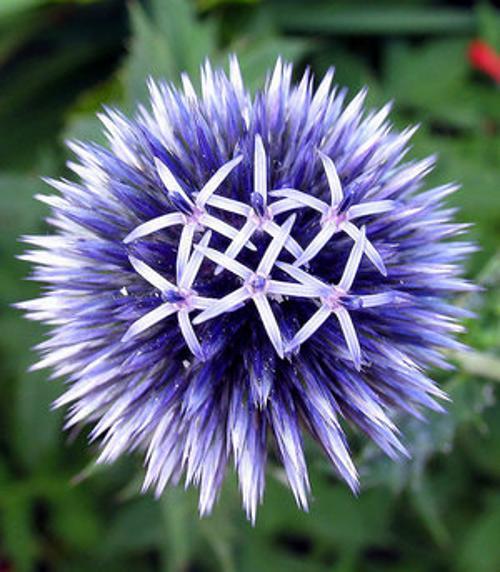
Globe Thistle
Echinops
Striking architectural perennial featuring perfectly spherical, spiky flower hea...
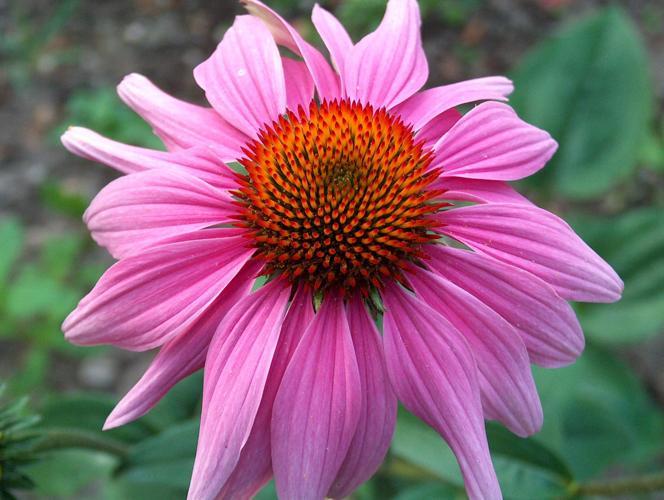
Purple Coneflower
Echinacea purpurea
Popular prairie wildflower with distinctive purple-pink petals drooping around s...