
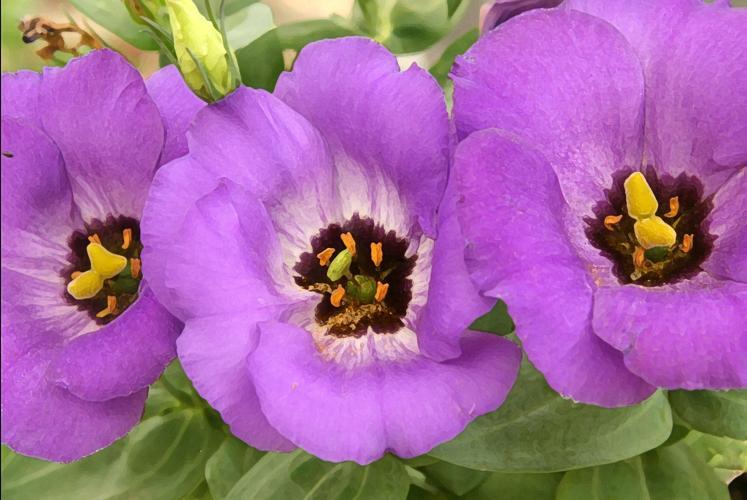
Bolero Deepblue
Eustoma , Eustoma russellianum, Prairie Gentian, Lisianthus, Bluebell
Basic Details
Floral Formula & Features
Radially symmetrical (actinomorphic), bisexual, 5 fused sepals, 5 fused petals forming bell shape, 5 free stamens, 2 fused carpels with superior ovary
- Name 'Lisianthus' comes from Greek 'lysis' (dissolution) and 'anthos' (flower). 'Eustoma' means 'beautiful mouth' referring to the flower's open form. 'Prairie Gentian' reflects its native habitat and family relationship to gentians
- Rose-like flowers 2-3 inches (5-7 cm) across with 5-10 satiny petals (single forms have 5, doubles have many more). Blooms in deep blue-purple, also available in white, pink, cream, and bicolors. Petals have delicate, ruffled edges
- Biennial or annual depending on climate and cultivation. Blooms in summer (June-September) when grown as annual. In commercial production, grown in greenhouses year-round. Requires cool temperatures for bud initiation
- Grows 1-3 feet (30-90 cm) tall depending on variety. Dwarf types 8-12 inches, tall cut flower varieties 24-36 inches. Lifespan of 1-2 years. Propagated from seed (slow, 5-6 months to bloom) or tissue culture commercially
- Native to prairies and grasslands of southern United States, particularly Texas, Nebraska, and Colorado, extending into northern Mexico. Found in alkaline soils of open plains
- Requires full sun with 6-8 hours of direct sunlight. Prefers cool to moderate temperatures (60-75°F) and struggles in extreme heat. Needs well-drained, slightly alkaline soil. Sensitive to overwatering and root rot
- Premium cut flower with exceptional vase life of 14-21 days. Among top 10 most valuable cut flowers globally. Popular for weddings, formal events, and high-end floral design. Challenging to grow, requiring precise temperature and moisture control
Names in Different Languages
What is Floral Formula?
A floral formula is a symbolic representation of a flower's structure using letters, numbers, and special symbols. It provides a concise way to describe the arrangement and number of floral parts.
This formula describes the flower's symmetry, sepals, petals, stamens, and carpels in a standardized format.
Formula Sequence
- Bract: Br or Ebr
- Bracteole: Brl or Ebrl
- Symmetry: % (Radial) or ⊕ (Bilateral)
- Sex: ♀ (Female), ♂ (Male), or ⚥ (Bisexual)
- Calyx/Sepal: K<number> (Free or Fused)
- Corolla/Petal: C<number> (Free or Fused)
- Androecium: A<number> (Free or Fused)
- Gynaecium: G<number> (Superior or Inferior Ovary)
Symbol Meanings
- Numbers: Indicate quantity of parts
- Parentheses (): Parts are fused together
- Plus (+): Parts in different whorls
- Underline: Superior ovary position
- Overline: Inferior ovary position
- ∞: Numerous parts (too many to count)
Understanding floral formulas helps botanists quickly identify and classify flowers based on their structural characteristics.
Similar Flowers
Discover flowers that share botanical characteristics
Similar Colors
1
Similar Characteristics
4
Pincushion
Scabiosa
Charming perennial with distinctive dome-shaped flower heads resembling a pincus...
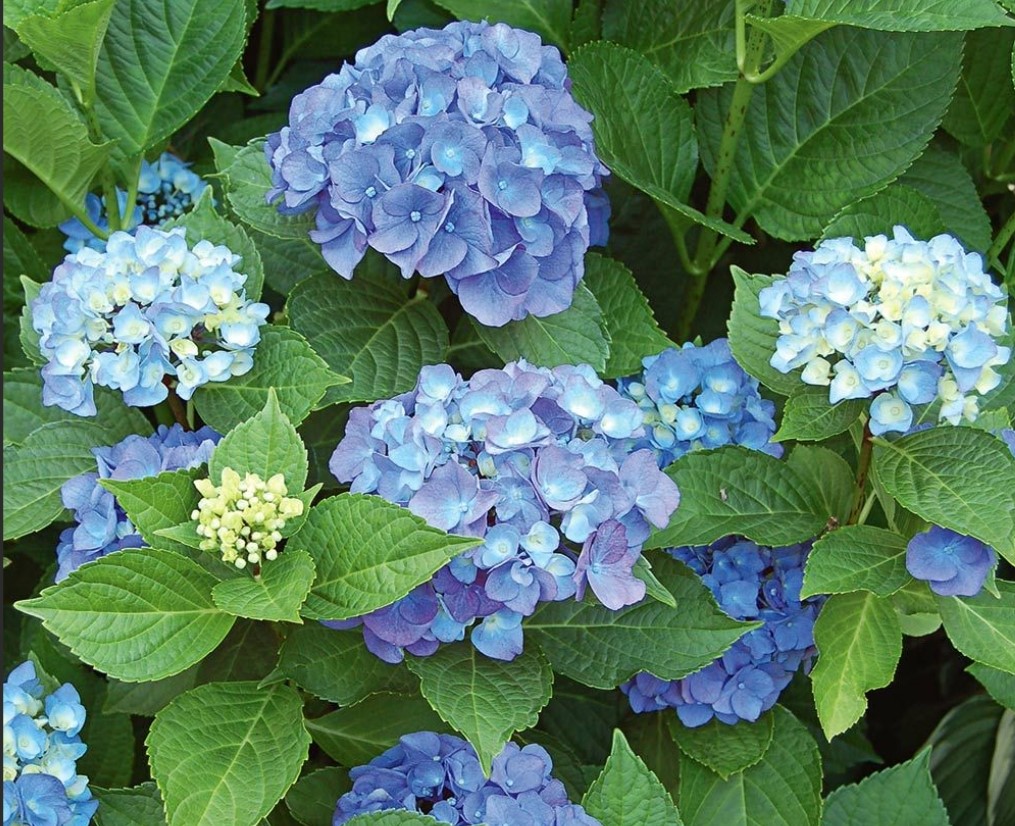
Hydrangea
Hydrangea
Beloved flowering shrub producing spectacular large, rounded or conical clusters...
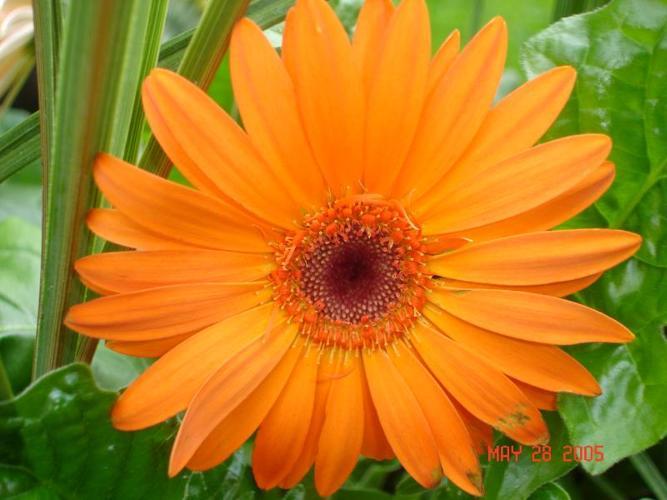
Barberton Daisy
Gerbera jamesonii
Cheerful composite flower featuring large, daisy-like blooms with vibrant ray pe...
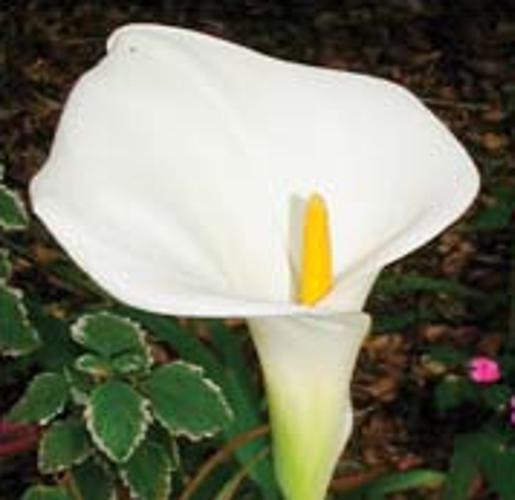
Arum Lily
Zantedeschia aethiopica
Elegant plant featuring a distinctive trumpet or funnel-shaped spathe (modified ...