
Is Iceland Poppy Safe for Dogs and Cats?
Papaver nudicaule
Iceland Poppy (Papaver nudicaule) contains toxic isoquinoline alkaloids (such as sanguinarine and protopine) throughout all plant tissues and its milk...
Scan & Verify This Plant Specimen
Snap or upload a photo to verify botanical authenticity and test toxicity for cats, dogs, and birds.
Drop Iceland Poppy photo here to verify
or click to browse • Supports JPG, PNG, WEBP • Paste with Ctrl+V
Symptoms to Watch For
Current risk level for cats based on ingestion severity.
Information provided by BioLens Veterinary Database. In case of emergency, always consult a professional.
If your pet ate this plant:
Professional First Aid Summary:
Keep cat in a quiet, safe space. Provide fresh water and contact your vet or pet poison control.
In-Depth Botanical Safety Analysis
Scientific evaluation and toxicological breakdown of Iceland Poppy
Iceland Poppy (Papaver nudicaule) contains toxic isoquinoline alkaloids (such as sanguinarine and protopine) throughout all plant tissues and its milky latex sap, making it toxic to dogs and cats. Ingestion of Iceland poppy leaves, flowers, seed pods, or milky sap can cause gastrointestinal distress (vomiting, diarrhea, drooling), central nervous system depression (lethargy, sedation, staggering), and respiratory depression. While less potent than the Opium Poppy, curious pets that consume poppy foliage or cut flowers can experience significant toxicity. If your pet ingests Iceland poppies, contact a veterinarian for guidance. Non-toxic annual flower choices include African Violets or Sunflowers.
Toxic Parts
Recommended Pet-Safe Alternatives
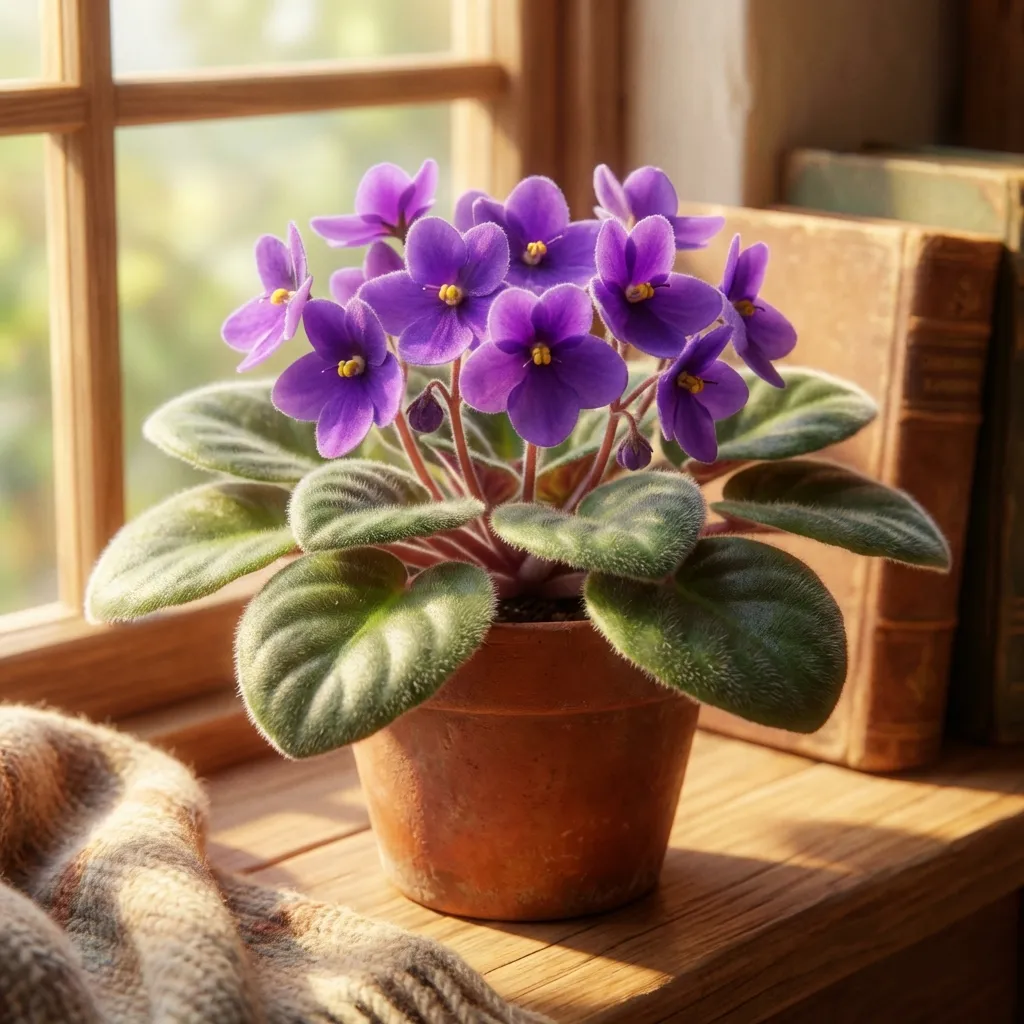 Pet Safe
Global Names & Multilingual Search
Specific Safety FAQs for Iceland Poppy
Is Iceland Poppy toxic to dogs?
Yes, Iceland Poppy contains isoquinoline alkaloids that cause drooling, vomiting, lethargy, and sedation in dogs.
Is Iceland Poppy toxic to cats?
Yes, all parts of Iceland Poppy, including the milky latex sap, cause digestive upset and central nervous system sedation in cats.
Is Iceland Poppy as toxic as Opium Poppy?
Iceland Poppy contains lower alkaloid concentrations than Opium Poppy, but is still moderately toxic and dangerous to pets.
20 Dangerous Garden Plants: Cat Toxicity & Safety Guide
Felines are highly sensitive to houseplants and flowers. Learn which 20 common species cause severe or fatal reactions in cats, including lilies, and discover safe, cat-friendly garden alternatives.