
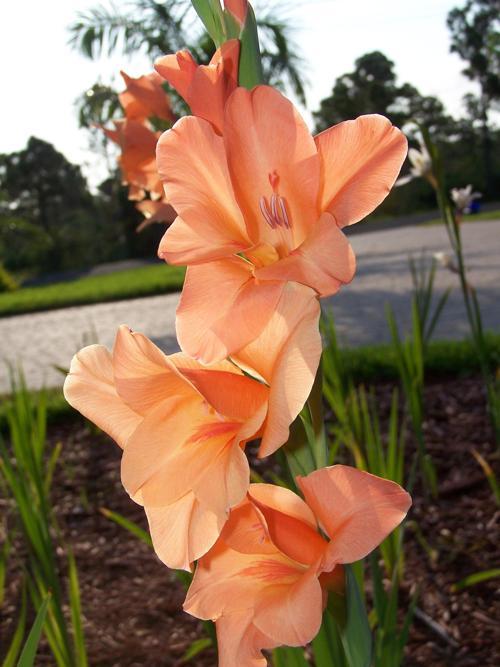
Sword Lily
Gladiolus
Basic Details
Floral Formula & Features
This formula indicates the flower is bisexual (⚥), actinomorphic (⊕), has a perianth with 6 tepals in two whorls (P(3+3)), 6 stamens with the androecium attached to the tepals (A3+3), and a superior, tricarpellary, syncarpous (united) ovary (G(3))
- Its tall, slender, sword-shaped leaves inspired the name, originating from the Latin word 'gladius', meaning sword
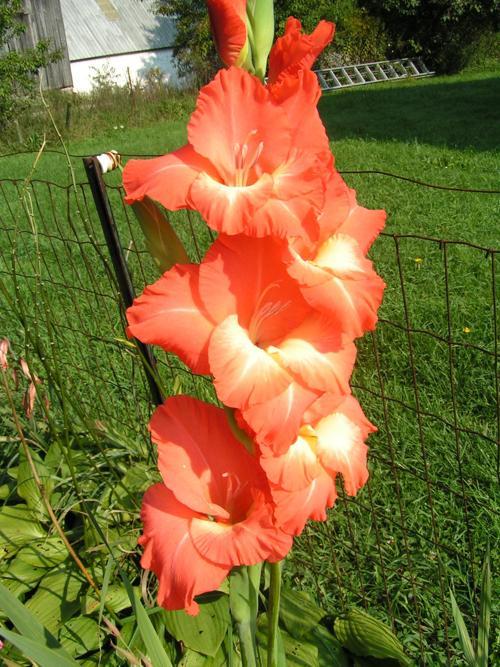
- Tall, striking flower spike with large, funnel-shaped blooms that open sequentially from the bottom up, showcasing vibrant colors like pink, purple, white, and more
- It is a herbaceous perennial plant
- Grow to be a height of 1 - 6 feet and with lifespan of 2 - 3 years
- Native to Africa, Eurasia, and the Mediterranean region and found in Mediterranean, Arabian Peninsula, northwestern Africa and eastern Africa
- Require at least 6 to 8 hours of direct sunlight and well-drained soil to thrive
Names in Different Languages
What is Floral Formula?
A floral formula is a symbolic representation of a flower's structure using letters, numbers, and special symbols. It provides a concise way to describe the arrangement and number of floral parts.
This formula describes the flower's symmetry, sepals, petals, stamens, and carpels in a standardized format.
Formula Sequence
- Bract: Br or Ebr
- Bracteole: Brl or Ebrl
- Symmetry: % (Radial) or ⊕ (Bilateral)
- Sex: ♀ (Female), ♂ (Male), or ⚥ (Bisexual)
- Calyx/Sepal: K<number> (Free or Fused)
- Corolla/Petal: C<number> (Free or Fused)
- Androecium: A<number> (Free or Fused)
- Gynaecium: G<number> (Superior or Inferior Ovary)
Symbol Meanings
- Numbers: Indicate quantity of parts
- Parentheses (): Parts are fused together
- Plus (+): Parts in different whorls
- Underline: Superior ovary position
- Overline: Inferior ovary position
- ∞: Numerous parts (too many to count)
Understanding floral formulas helps botanists quickly identify and classify flowers based on their structural characteristics.
Similar Flowers
Discover flowers that share botanical characteristics
Same Family
4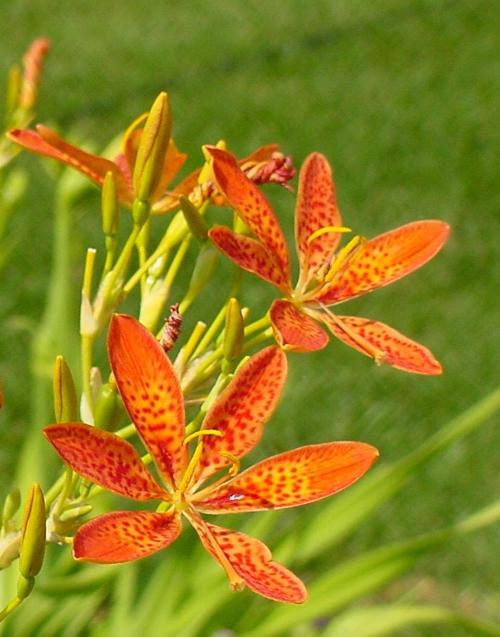
Leopard Lily
Iris domestica (syn. Belamcanda chinensis)
Striking perennial featuring exotic, star-shaped flowers in brilliant orange-red...
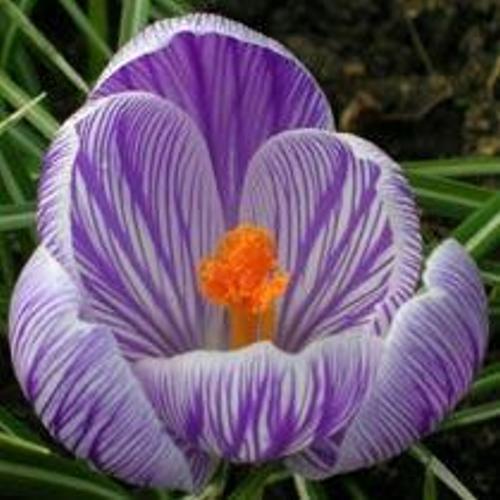
Spring Crocus
Crocus vernus
Cheerful early spring bulb that blooms while snow still on ground. Cup-shaped fl...
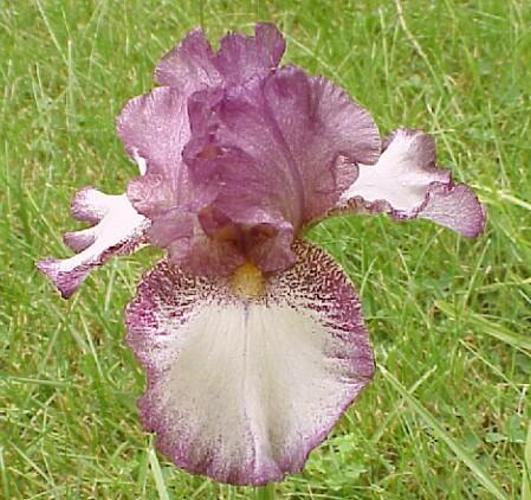
Bearded Iris
Iris germanica
Elegant perennial featuring distinctive flowers with three upright petals (stand...
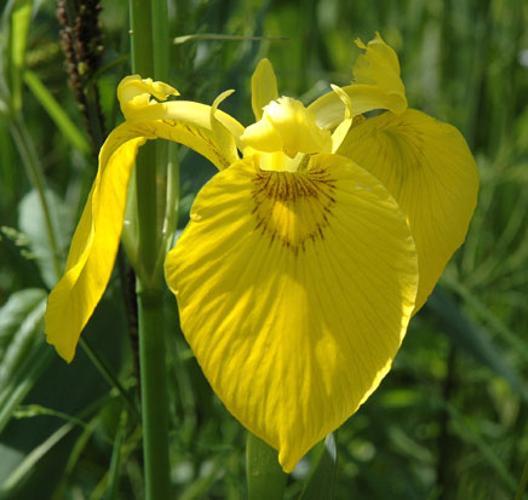
Yellow Iris
Iris pseudacorus
Striking wetland perennial native to Europe with bright golden-yellow flowers an...