
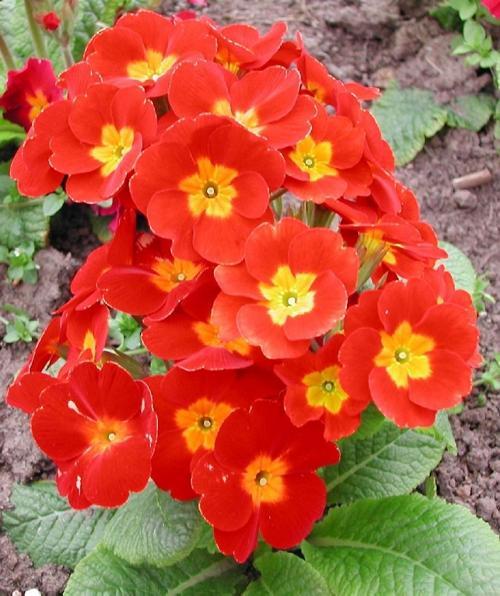
Primula (Common Primrose)
Primula vulgaris
Basic Details
Floral Formula & Features
Ebracteate, radially symmetrical (actinomorphic), bisexual, 5 fused sepals forming tube, 5 fused petals forming salverform corolla with tube and flat spreading lobes, 5 stamens attached to corolla tube, 5 fused carpels with superior ovary. Heterostylous (pin and thrum forms)
- Name 'Primula' from Latin 'primus' (first) - one of earliest spring flowers. P. vulgaris (common primrose) most widespread. About 500 Primula species worldwide. Cultivated varieties come in rainbow colors - pink, purple, red, blue, white, but wild type is pale yellow
- Flowers 1-1.5 inches (2.5-4 cm) across, pale yellow to cream with darker yellow center. 5 notched petals forming flat face. Sweet, subtle fragrance. Flowers on very short stems (almost stemless), nestled among leaves. Blooms February-May (late winter to spring). Each plant produces 10-25 flowers
- Herbaceous perennial. Basal rosette of wrinkled, spoon-shaped leaves 2-6 inches long, hairy texture. Leaves evergreen in mild winters. Flowers arise on short stems from leaf axils. Compact, low-growing habit. Some people develop skin rash from touching leaves (primula dermatitis)
- Grows 4-8 inches (10-20 cm) tall in bloom, 6-10 inches (15-25 cm) wide. Lifespan 5+ years with proper care. Propagated from seed (sow fresh), division (after flowering), or root cuttings. Divide every 3-4 years. Self-seeds in ideal conditions
- Native to western and southern Europe, from Britain to Balkans. Also found in North Africa, western Asia, Himalayas. Grows in woodlands, hedgerows, grassy banks, shaded areas. Prefers cool, moist habitats. Naturalized in parts of North America
- Requires partial to full shade (prefers shade, tolerates morning sun). Needs cool, moist, well-drained soil rich in humus. Regular watering - don't let dry out. Hardy zones 4-8. Struggles in heat and humidity. Mulch to keep roots cool and moist. Protect from hot afternoon sun
- Excellent for shade gardens, woodland gardens, rock gardens, containers. Popular spring bedding plant. Attracts early bees and butterflies. Deer and rabbit resistant. Flowers edible - used to decorate cakes and salads. Leaves can cause contact dermatitis in sensitive people
- Symbolizes young love, early youth, renewal. Featured in Shakespeare's works. Easy to grow in right conditions. Deadhead spent flowers to prolong blooming. Feed monthly in spring. Divide crowded clumps after flowering. Hundreds of cultivated varieties in all colors available
Names in Different Languages
What is Floral Formula?
A floral formula is a symbolic representation of a flower's structure using letters, numbers, and special symbols. It provides a concise way to describe the arrangement and number of floral parts.
This formula describes the flower's symmetry, sepals, petals, stamens, and carpels in a standardized format.
Formula Sequence
- Bract: Br or Ebr
- Bracteole: Brl or Ebrl
- Symmetry: % (Radial) or ⊕ (Bilateral)
- Sex: ♀ (Female), ♂ (Male), or ⚥ (Bisexual)
- Calyx/Sepal: K<number> (Free or Fused)
- Corolla/Petal: C<number> (Free or Fused)
- Androecium: A<number> (Free or Fused)
- Gynaecium: G<number> (Superior or Inferior Ovary)
Symbol Meanings
- Numbers: Indicate quantity of parts
- Parentheses (): Parts are fused together
- Plus (+): Parts in different whorls
- Underline: Superior ovary position
- Overline: Inferior ovary position
- ∞: Numerous parts (too many to count)
Understanding floral formulas helps botanists quickly identify and classify flowers based on their structural characteristics.
Similar Flowers
Discover flowers that share botanical characteristics
Same Family
1
Similar Characteristics
4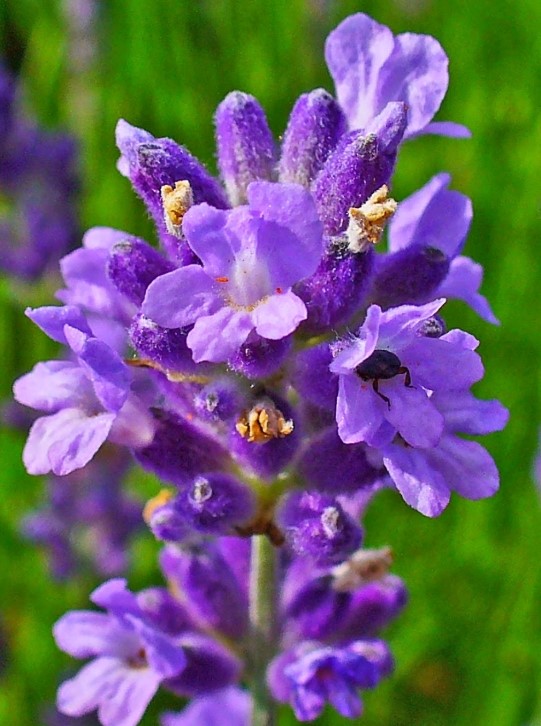
Lavender
Lavandula angustifolia
Iconic aromatic herb featuring slender spikes of small, intensely fragrant flowe...
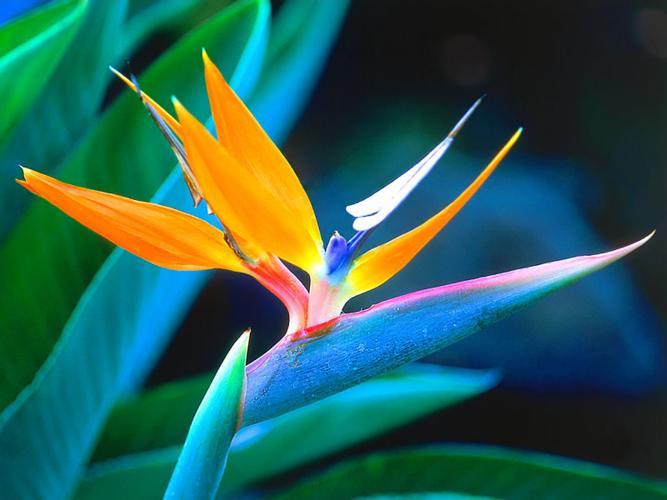
Bird of Paradise
Strelitzia reginae
Spectacular tropical perennial featuring exotic flowers that resemble a brightly...
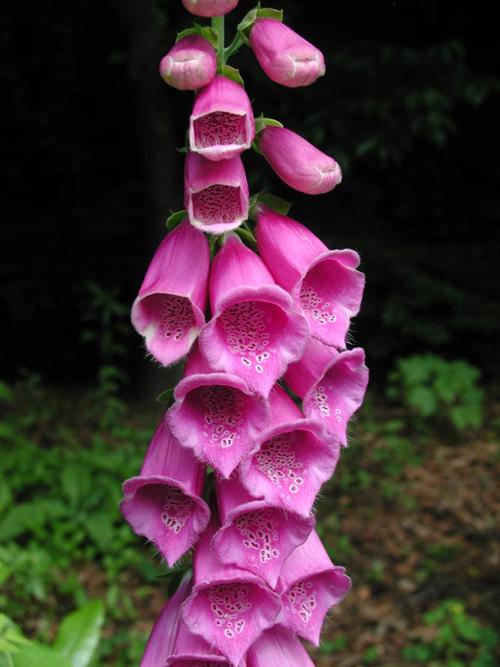
Foxglove
Digitalis purpurea
Majestic biennial featuring tall, elegant spikes of tubular, bell-shaped flowers...
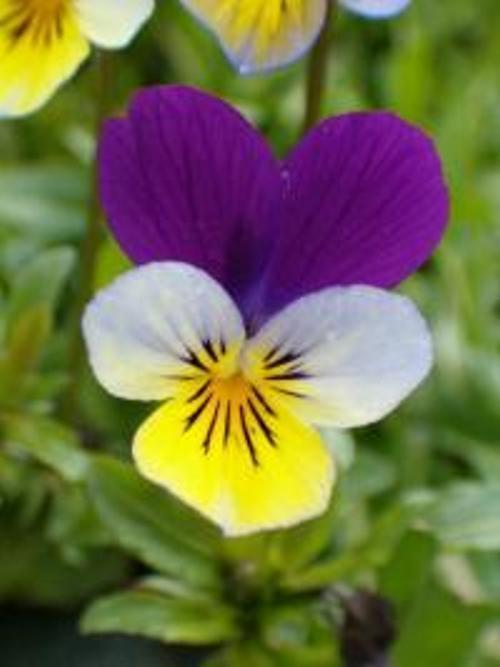
Wild Pansy
Viola Tricolor
Charming European wildflower treasured for its distinctive tricolor blooms combi...