
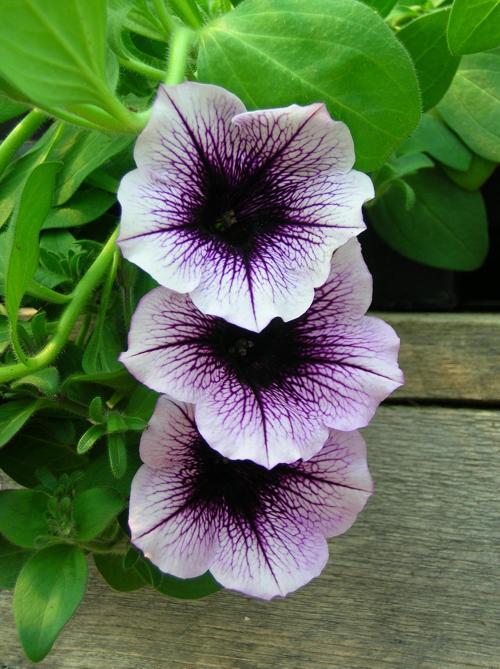
Petunia
Petunia
Basic Details
Floral Formula & Features
Ebracteate, radially symmetrical (actinomorphic), bisexual, 5 fused sepals forming calyx tube, 5 fused petals forming funnel-shaped corolla, 5 stamens attached to corolla tube, 2 fused carpels with superior ovary
- Name from French 'pétun' (tobacco) from Tupi-Guarani language - related to tobacco plant. About 20 Petunia species. Main types: Grandiflora (large 3-5 inch flowers), Multiflora (smaller 2 inch flowers, more blooms), Wave/Spreading (ground cover), Milliflora (tiny 1 inch flowers)
- Flowers 2-5 inches (5-12 cm) across, funnel or trumpet-shaped. 5 fused petals forming tube. Colors: purple, pink, red, white, yellow, blue, black, bicolors, stripes, veining. Single or double forms. Some varieties fragrant (especially white, night-scented). Blooms late spring through frost (May-October)
- Tender perennial grown as annual in most climates. Bushy or trailing habit depending on variety. Sticky, hairy leaves and stems. Upright types 6-18 inches tall, spreading types trail 2-4 feet. Self-cleaning (flowers drop when spent) or need deadheading depending on variety
- Grows 6-24 inches (15-60 cm) tall for upright types. Trailing types spread 2-4 feet (60-120 cm). Lifespan one season as annual, 2-3 years in frost-free zones. Propagated from seeds (tiny, need light to germinate) or cuttings. Blooms 60-90 days from seed
- Native to South America, particularly Argentina, Brazil, Uruguay, Paraguay, Bolivia. Found in grasslands and along roadsides. Now cultivated worldwide as ornamental. Thrives in temperate and subtropical climates
- Requires full sun (6-8 hours daily) for best blooming. Tolerates partial shade but fewer flowers. Needs well-drained soil. Regular watering - don't let dry out completely. Fertilize every 2 weeks. Hardy zones 9-11 as perennial, grown as annual elsewhere. Heat and drought tolerant once established
- Excellent for beds, borders, containers, hanging baskets, window boxes. Trailing types perfect for cascading displays. Attracts hummingbirds, butterflies, moths. Deer resistant. Low maintenance - some varieties self-clean. Provides continuous color all summer
- Easy for beginners - very forgiving. Pinch back leggy stems to encourage bushiness. Deadhead spent flowers (except self-cleaning types) for more blooms. Can get leggy in midsummer - trim back by half to rejuvenate. Symbolizes anger or resentment in flower language, but also comfort and soothing
Names in Different Languages
What is Floral Formula?
A floral formula is a symbolic representation of a flower's structure using letters, numbers, and special symbols. It provides a concise way to describe the arrangement and number of floral parts.
This formula describes the flower's symmetry, sepals, petals, stamens, and carpels in a standardized format.
Formula Sequence
- Bract: Br or Ebr
- Bracteole: Brl or Ebrl
- Symmetry: % (Radial) or ⊕ (Bilateral)
- Sex: ♀ (Female), ♂ (Male), or ⚥ (Bisexual)
- Calyx/Sepal: K<number> (Free or Fused)
- Corolla/Petal: C<number> (Free or Fused)
- Androecium: A<number> (Free or Fused)
- Gynaecium: G<number> (Superior or Inferior Ovary)
Symbol Meanings
- Numbers: Indicate quantity of parts
- Parentheses (): Parts are fused together
- Plus (+): Parts in different whorls
- Underline: Superior ovary position
- Overline: Inferior ovary position
- ∞: Numerous parts (too many to count)
Understanding floral formulas helps botanists quickly identify and classify flowers based on their structural characteristics.
Similar Flowers
Discover flowers that share botanical characteristics
Similar Characteristics
4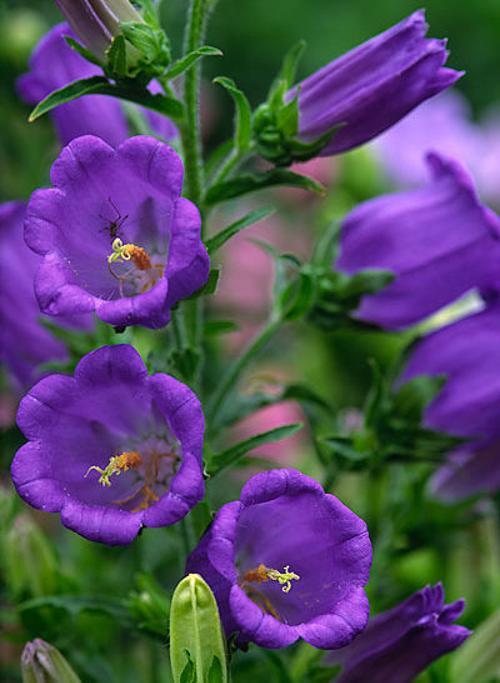
Canterbury bells
Campanula medium
Charming biennial featuring large, showy bell-shaped flowers in shades of blue, ...
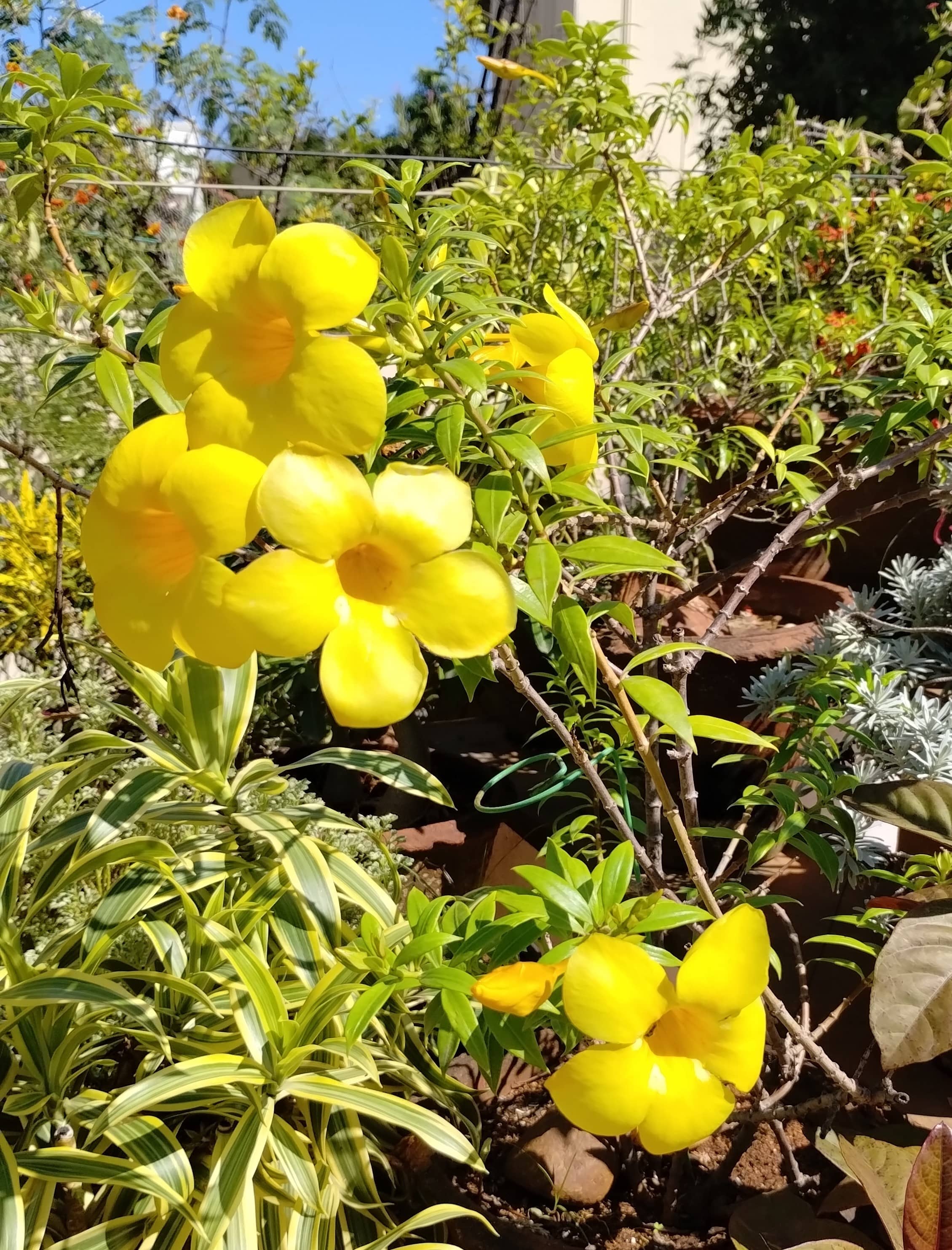
Allamanda
Allamanda cathartica
Spectacular tropical shrub or vine featuring large, trumpet-shaped flowers that ...
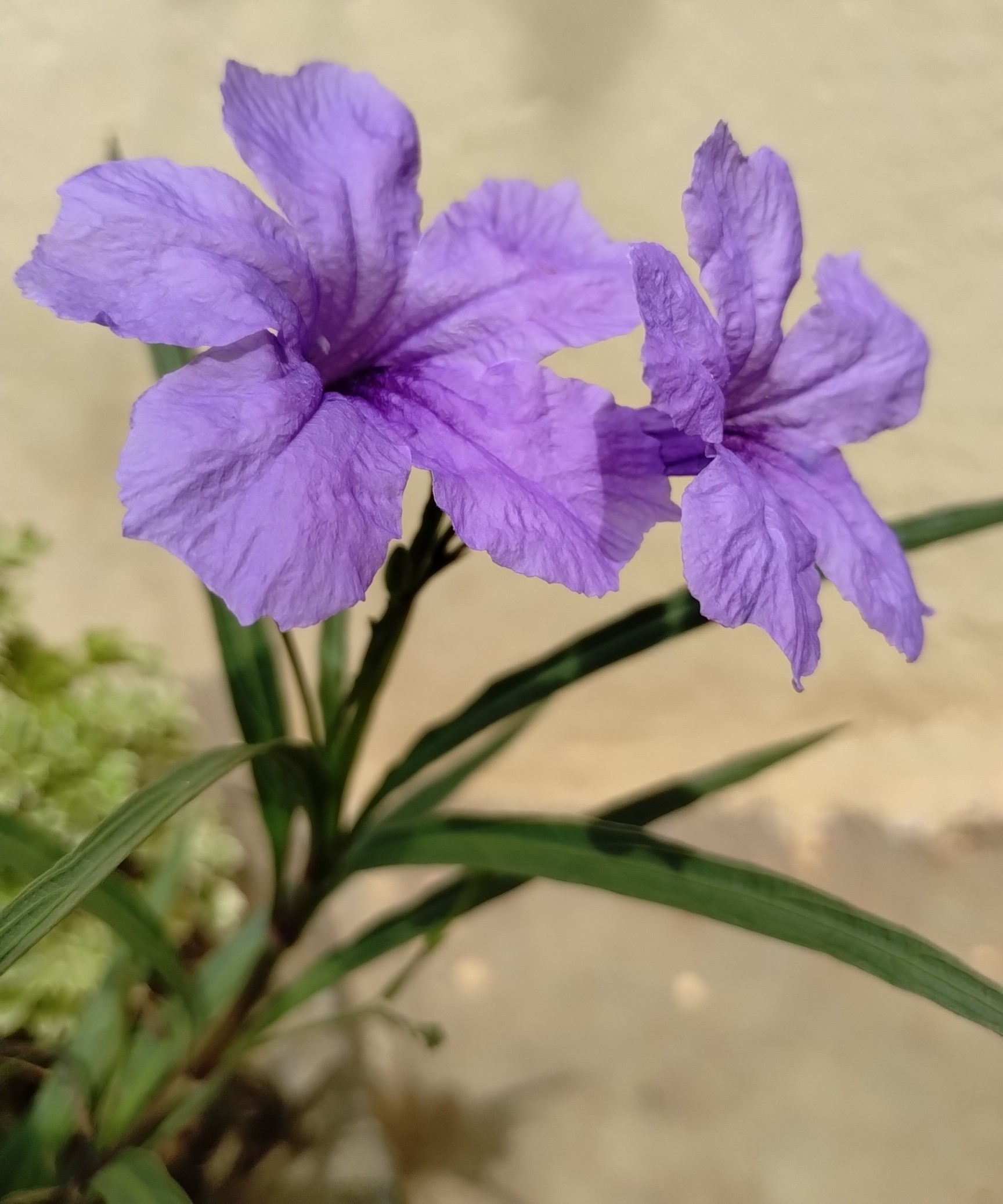
Mexican Petunia
Ruellia simplex
Vigorous perennial producing trumpet-shaped flowers resembling petunias in shade...
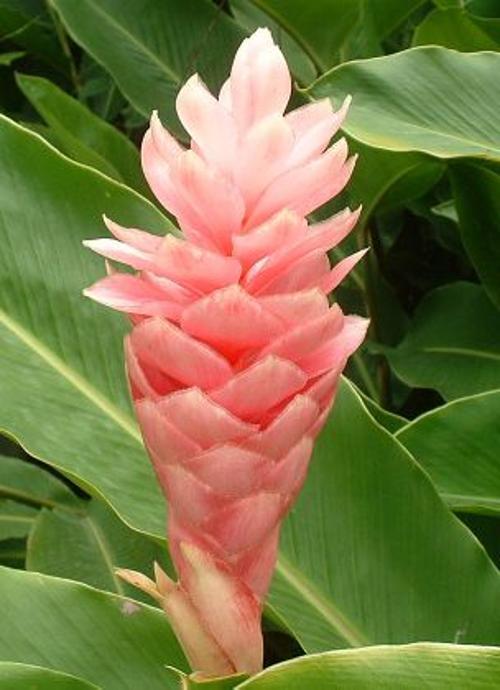
Red Ginger (Ostrich Plume)
Alpinia purpurata
Stunning tropical plant with brilliant red or pink cone-shaped flower spikes res...