
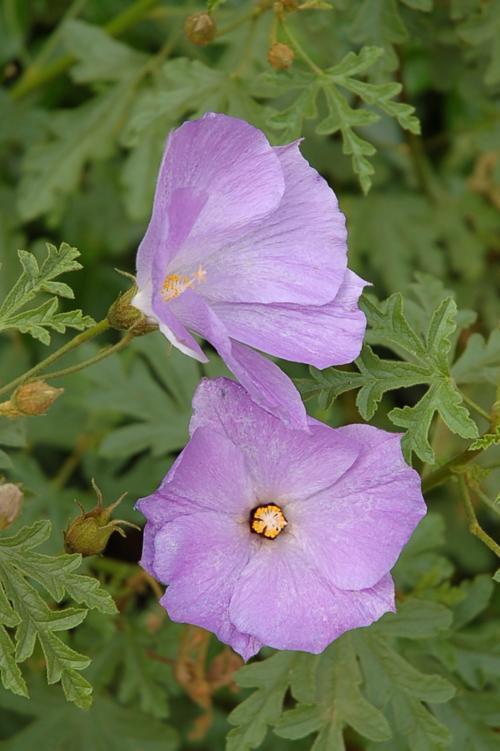
Pelargonium
Pelargonium
Basic Details
Floral Formula & Features
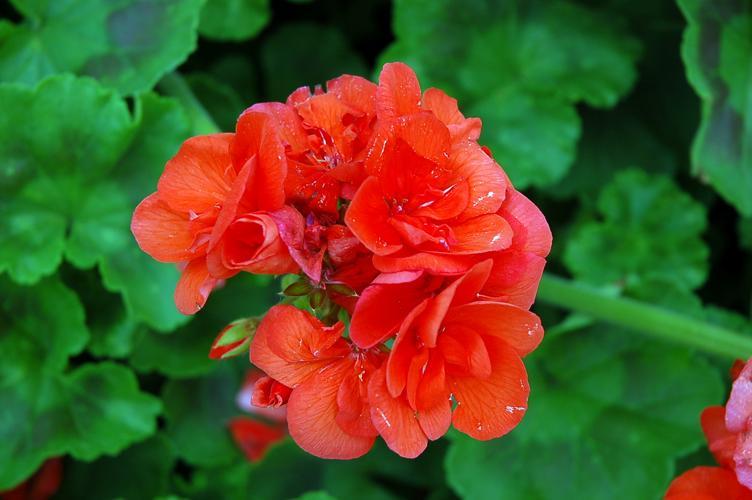
Ebracteate, radially symmetrical (actinomorphic), bisexual, 5 free sepals, 5 free petals (often unequal), 10 stamens in two whorls (some may be sterile), 5 fused carpels with superior ovary
- Name 'Pelargonium' from Greek 'pelargos' (stork) - seed pods resemble stork's beak. About 280 Pelargonium species. Often mislabeled as geranium in stores. True geraniums (Geranium genus) are different hardy perennials. Common types: Zonal, Regal, Ivy, Scented
- Flowers 1-2 inches (2.5-5 cm) across in rounded clusters (umbels). 5 petals, often with darker markings or veining. Colors: red, pink, white, purple, salmon, orange, bicolors. Single or double forms. Blooms spring through fall (April-October), year-round in mild climates
- Tender perennial (grown as annual in cold climates). Aromatic, multi-branched subshrub. Rounded or lobed leaves, often with darker zones or patterns. Scented varieties have fragrant foliage (rose, lemon, mint, apple, nutmeg). Succulent stems store water
- Grows 12-48 inches (30-120 cm) tall depending on variety. Dwarf types 6-12 inches, standard 12-24 inches, tall 24-48 inches. Lifespan several years as perennial. Propagated easily from stem cuttings (root in 2-3 weeks) or seeds
- Native to South Africa, particularly Cape region. Now cultivated worldwide as ornamental. Thrives in Mediterranean climates. Popular in Europe, Americas, Australia. Grows wild in rocky, well-drained areas
- Requires full sun (6-8 hours daily) for best blooming. Tolerates partial shade but fewer flowers. Needs well-drained soil. Drought tolerant once established. Avoid overwatering (causes root rot). Hardy zones 9-11, grown as annual elsewhere. Bring indoors before frost
- Excellent container plant for patios, balconies, window boxes. Popular bedding plant. Scented varieties used for essential oils in perfumes and aromatherapy. Rose geranium oil used in cosmetics. Deer and rabbit resistant. Attracts butterflies
- Easy for beginners - low maintenance and forgiving. Deadhead spent flowers for continuous blooms. Can overwinter indoors as houseplant. Pinch tips to encourage bushy growth. Symbolizes comfort, friendship, and positive emotions in flower language
Names in Different Languages
What is Floral Formula?
A floral formula is a symbolic representation of a flower's structure using letters, numbers, and special symbols. It provides a concise way to describe the arrangement and number of floral parts.
This formula describes the flower's symmetry, sepals, petals, stamens, and carpels in a standardized format.
Formula Sequence
- Bract: Br or Ebr
- Bracteole: Brl or Ebrl
- Symmetry: % (Radial) or ⊕ (Bilateral)
- Sex: ♀ (Female), ♂ (Male), or ⚥ (Bisexual)
- Calyx/Sepal: K<number> (Free or Fused)
- Corolla/Petal: C<number> (Free or Fused)
- Androecium: A<number> (Free or Fused)
- Gynaecium: G<number> (Superior or Inferior Ovary)
Symbol Meanings
- Numbers: Indicate quantity of parts
- Parentheses (): Parts are fused together
- Plus (+): Parts in different whorls
- Underline: Superior ovary position
- Overline: Inferior ovary position
- ∞: Numerous parts (too many to count)
Understanding floral formulas helps botanists quickly identify and classify flowers based on their structural characteristics.
Similar Flowers
Discover flowers that share botanical characteristics
Similar Characteristics
4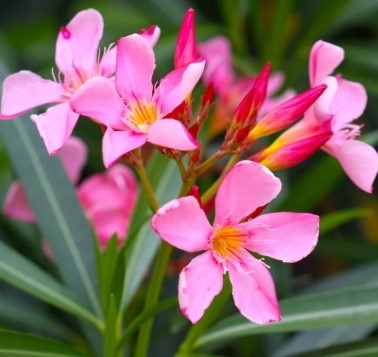
Oleander
Nerium oleander
Evergreen shrub with clusters of showy flowers in pink, white, red, yellow, or p...
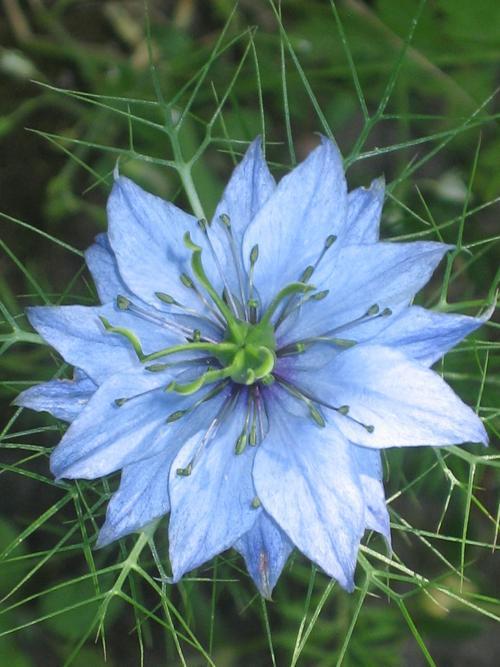
Love in a mist
Nigella damascena
Charming cottage garden annual featuring delicate jewel-like flowers in shades o...
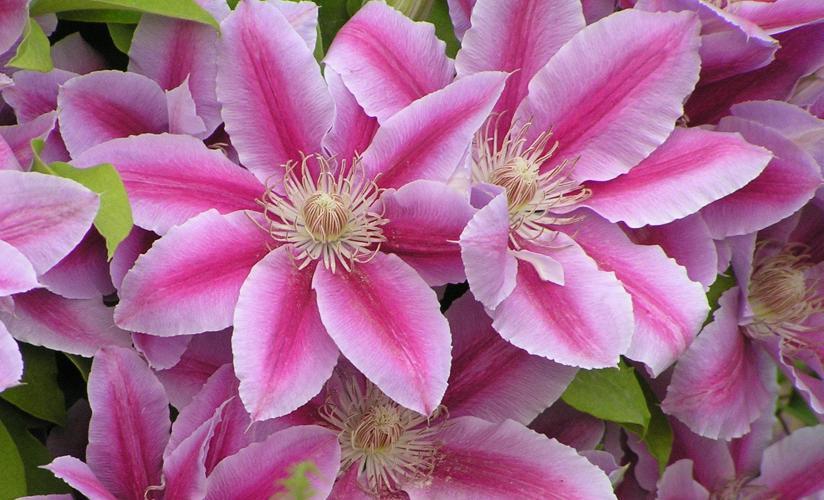
Clematis
Clematis
Spectacular flowering vine featuring large, showy blooms in star or bell shapes ...
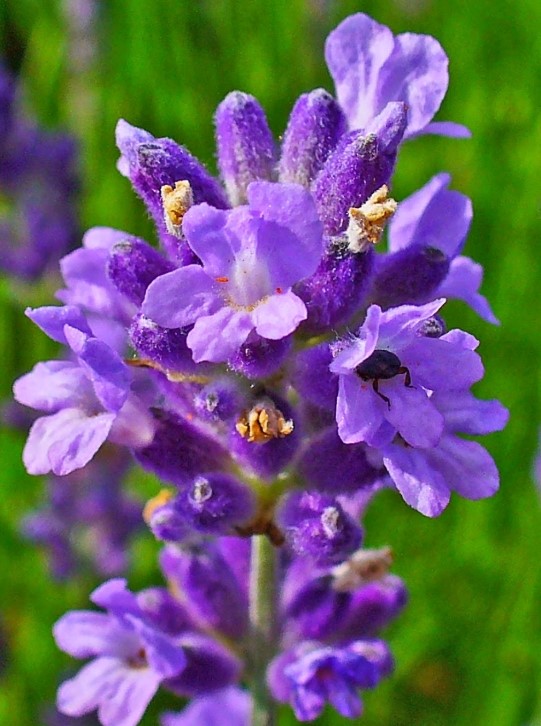
Lavender
Lavandula angustifolia
Iconic aromatic herb featuring slender spikes of small, intensely fragrant flowe...