
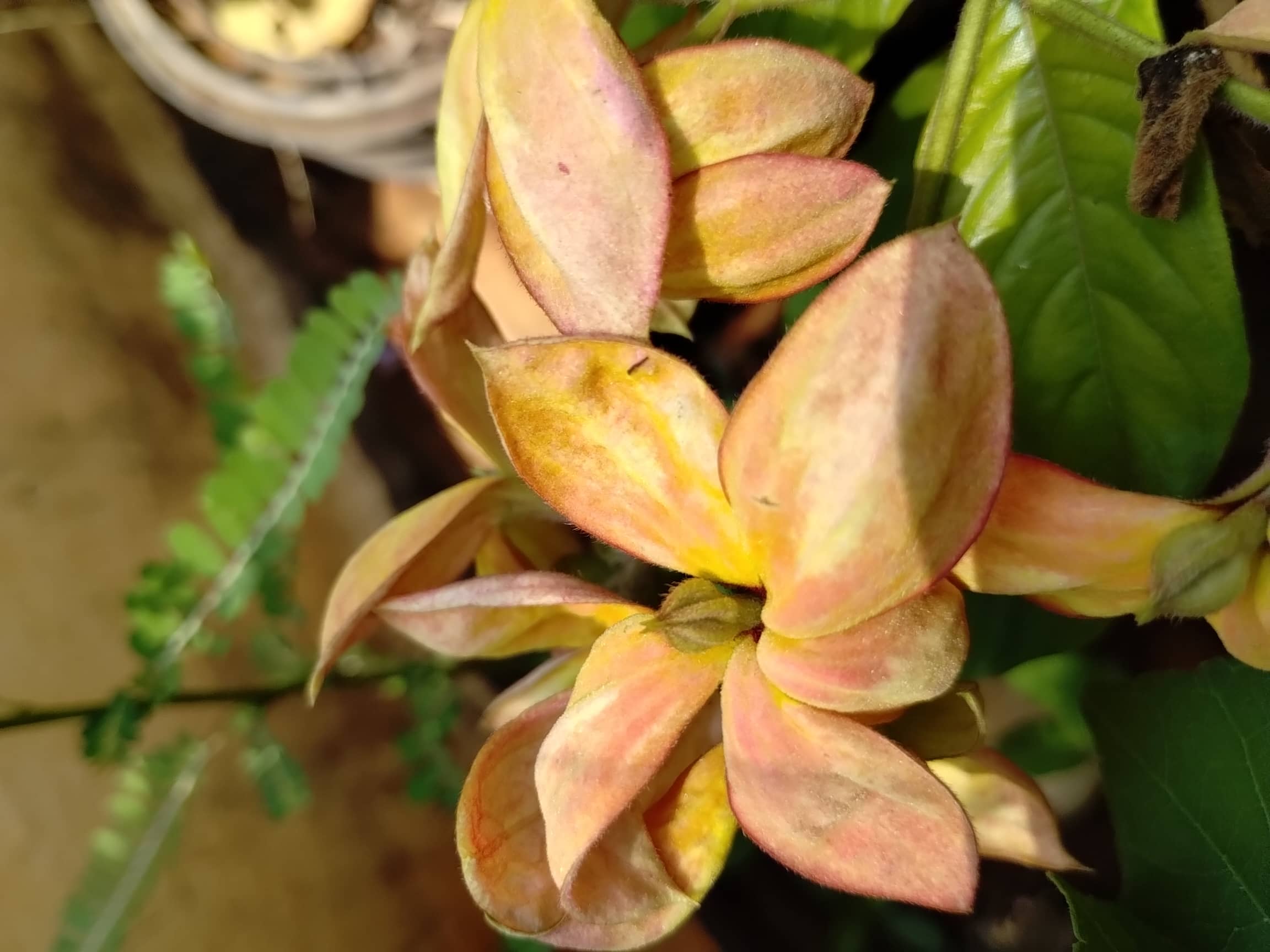
Mussaenda
Mussaenda erythrophylla
Basic Details
Floral Formula & Features
Bracteate (showy bracts), radially symmetrical, bisexual, 5 fused sepals (one enlarged as bract), 5 fused petals forming tube, 5 stamens, 2 fused carpels with inferior ovary
- Name from Sinhalese 'Mussenda.' White variety called 'Dhobi Tree' (bracts resemble laundry). 'Buddha's Lamp' for yellow flowers with white bracts. About 200 Mussaenda species
- Showy bracts 2-6 inches (5-15 cm) long, leaf-like, petal-like. Colors: red, pink, white, yellow, orange, cream. True flowers tiny, star-shaped, 0.5 inch, yellow/orange. Blooms year-round in tropics
- Evergreen shrub or small climber. Opposite leaves, oval, dark green. Bracts modified sepals. Long-lasting display (weeks to months). Can be pruned as hedge or grown as specimen
- Grows 5-15 feet (1.5-4.5 m) tall, can reach 20 feet. Spread 4-8 feet. Lifespan 10+ years. Propagated from cuttings or seeds. Fast-growing in ideal conditions
- Native to tropical Africa and Asia (India, Sri Lanka, Nepal, Thailand, Vietnam, Philippines). Found in forests, forest edges. Thrives in warm, humid tropical and subtropical regions
- Requires full sun to partial shade (5-6 hours sun). Needs warm temperatures, high humidity. Prefers moist, well-drained, fertile soil. Regular watering. Hardy zones 10-12. Frost-sensitive
- Popular ornamental in tropics. Used as hedge, specimen, or container plant. Attracts butterflies and bees. Low maintenance once established. Prune to shape and encourage branching
- Long-lasting cut flowers. Bracts remain colorful for weeks. Used in tropical landscaping and gardens. Some species used in traditional medicine. Symbolizes beauty and elegance
Names in Different Languages
What is Floral Formula?
A floral formula is a symbolic representation of a flower's structure using letters, numbers, and special symbols. It provides a concise way to describe the arrangement and number of floral parts.
This formula describes the flower's symmetry, sepals, petals, stamens, and carpels in a standardized format.
Formula Sequence
- Bract: Br or Ebr
- Bracteole: Brl or Ebrl
- Symmetry: % (Radial) or ⊕ (Bilateral)
- Sex: ♀ (Female), ♂ (Male), or ⚥ (Bisexual)
- Calyx/Sepal: K<number> (Free or Fused)
- Corolla/Petal: C<number> (Free or Fused)
- Androecium: A<number> (Free or Fused)
- Gynaecium: G<number> (Superior or Inferior Ovary)
Symbol Meanings
- Numbers: Indicate quantity of parts
- Parentheses (): Parts are fused together
- Plus (+): Parts in different whorls
- Underline: Superior ovary position
- Overline: Inferior ovary position
- ∞: Numerous parts (too many to count)
Understanding floral formulas helps botanists quickly identify and classify flowers based on their structural characteristics.
Similar Flowers
Discover flowers that share botanical characteristics
Same Family
1
Similar Characteristics
4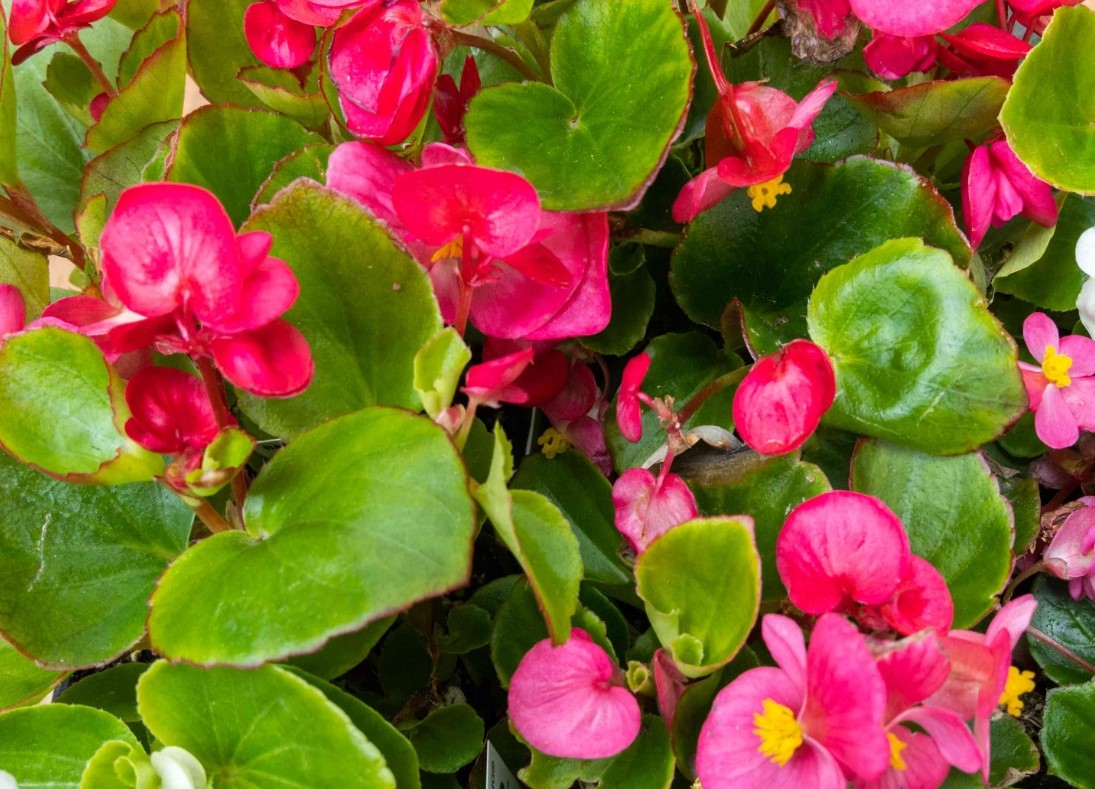
Begonia
Begonia
Versatile and diverse genus prized for both spectacular flowers and ornamental f...
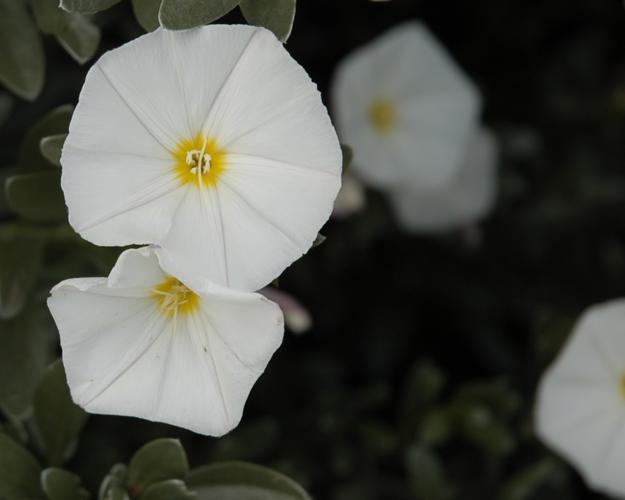
Silverbush
Convolvulus cneorum
Compact evergreen shrub prized for stunning silvery-green foliage that shimmers ...
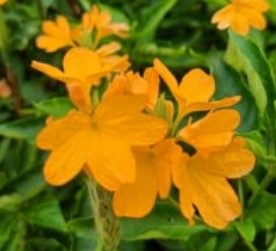
Crossandra Firecracker
Crossandra infundibuliformis
Attractive evergreen shrub featuring distinctive fan-shaped flowers in vibrant s...
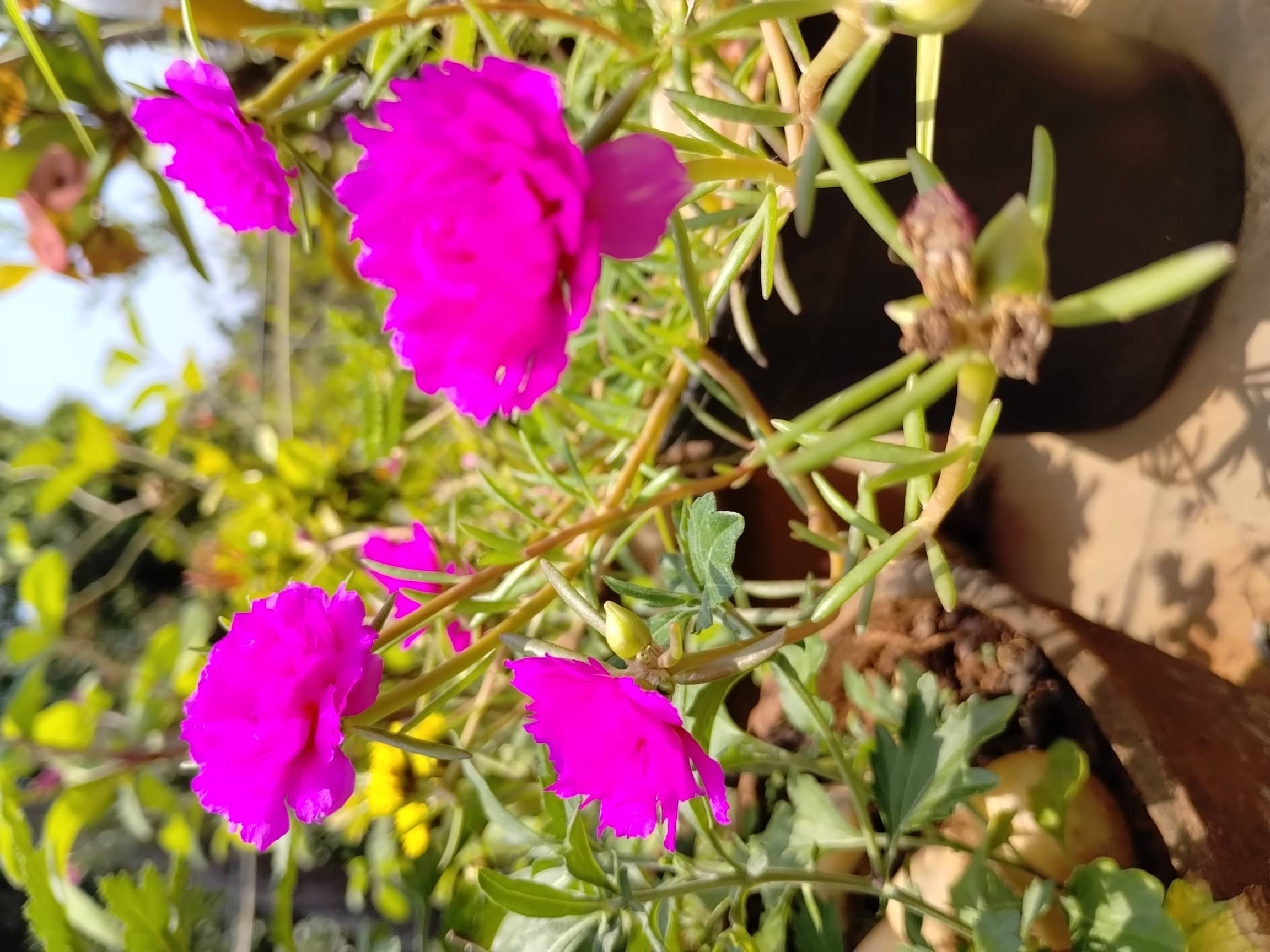
Portulaca
Portulaca
Charming succulent annual celebrated for its vibrant, rose-like flowers in a rai...