
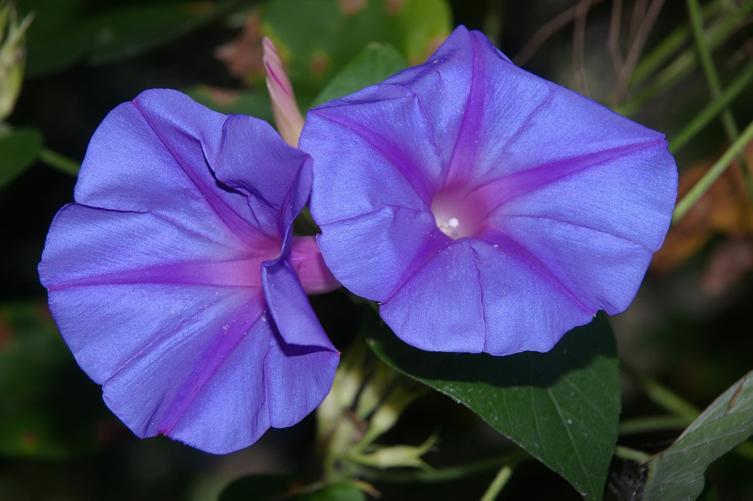
Morning Glory
Ipomoea tricolor
Basic Details
Floral Formula & Features
Ebracteate, radially symmetrical, bisexual, 5 free sepals, 5 fused petals forming trumpet, 5 free stamens attached to petal tube, 2 fused carpels with superior ovary
- Name from flowers opening at sunrise, closing by midday. About 500 Ipomoea species. Related to sweet potato. Seeds contain LSA compounds (psychoactive, toxic if ingested). 'Heavenly Blue' most popular variety
- Flowers 2-5 inches (5-12 cm) across, trumpet or funnel-shaped. Colors: blue, purple, pink, white, red, bicolors. Open at dawn, fade by noon. Blooms summer-fall (June-October)
- Annual vine with twining stems. Heart-shaped leaves 2-6 inches long. Climbs by twining (not tendrils). Fast-growing, 6-15 feet in season. Self-seeds prolifically. Can be invasive
- Climbs 6-15 feet (2-4.5 m) tall. Lifespan one season (annual). Propagated from seed (scarify or soak 24 hours). Germinates 5-7 days. Blooms 60-90 days from seed
- Native to Mexico, Central America, South America. Now naturalized worldwide in warm regions. Grows wild in disturbed areas, roadsides. Considered invasive weed in some areas
- Requires full sun (6-8 hours). Thrives in poor to average soil. Drought tolerant once established. Avoid over-fertilizing (produces leaves, not flowers). Zones 3-10 as annual
- Excellent for covering fences, trellises, arbors quickly. Attracts hummingbirds and bees. Seeds toxic - keep away from children and pets. Self-sows readily. Can become weedy
- Symbolizes love, affection, mortality in flower language. Popular cottage garden plant. Easy for beginners. Deer resistant. Provides quick summer screening
Names in Different Languages
What is Floral Formula?
A floral formula is a symbolic representation of a flower's structure using letters, numbers, and special symbols. It provides a concise way to describe the arrangement and number of floral parts.
This formula describes the flower's symmetry, sepals, petals, stamens, and carpels in a standardized format.
Formula Sequence
- Bract: Br or Ebr
- Bracteole: Brl or Ebrl
- Symmetry: % (Radial) or ⊕ (Bilateral)
- Sex: ♀ (Female), ♂ (Male), or ⚥ (Bisexual)
- Calyx/Sepal: K<number> (Free or Fused)
- Corolla/Petal: C<number> (Free or Fused)
- Androecium: A<number> (Free or Fused)
- Gynaecium: G<number> (Superior or Inferior Ovary)
Symbol Meanings
- Numbers: Indicate quantity of parts
- Parentheses (): Parts are fused together
- Plus (+): Parts in different whorls
- Underline: Superior ovary position
- Overline: Inferior ovary position
- ∞: Numerous parts (too many to count)
Understanding floral formulas helps botanists quickly identify and classify flowers based on their structural characteristics.
Similar Flowers
Discover flowers that share botanical characteristics
Similar Characteristics
4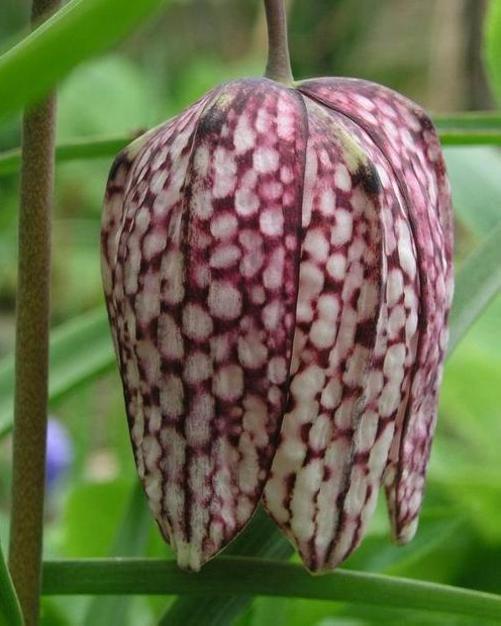
Fritillaria
Fritillaria
Elegant spring bulb featuring distinctive nodding, bell-shaped flowers, many wit...
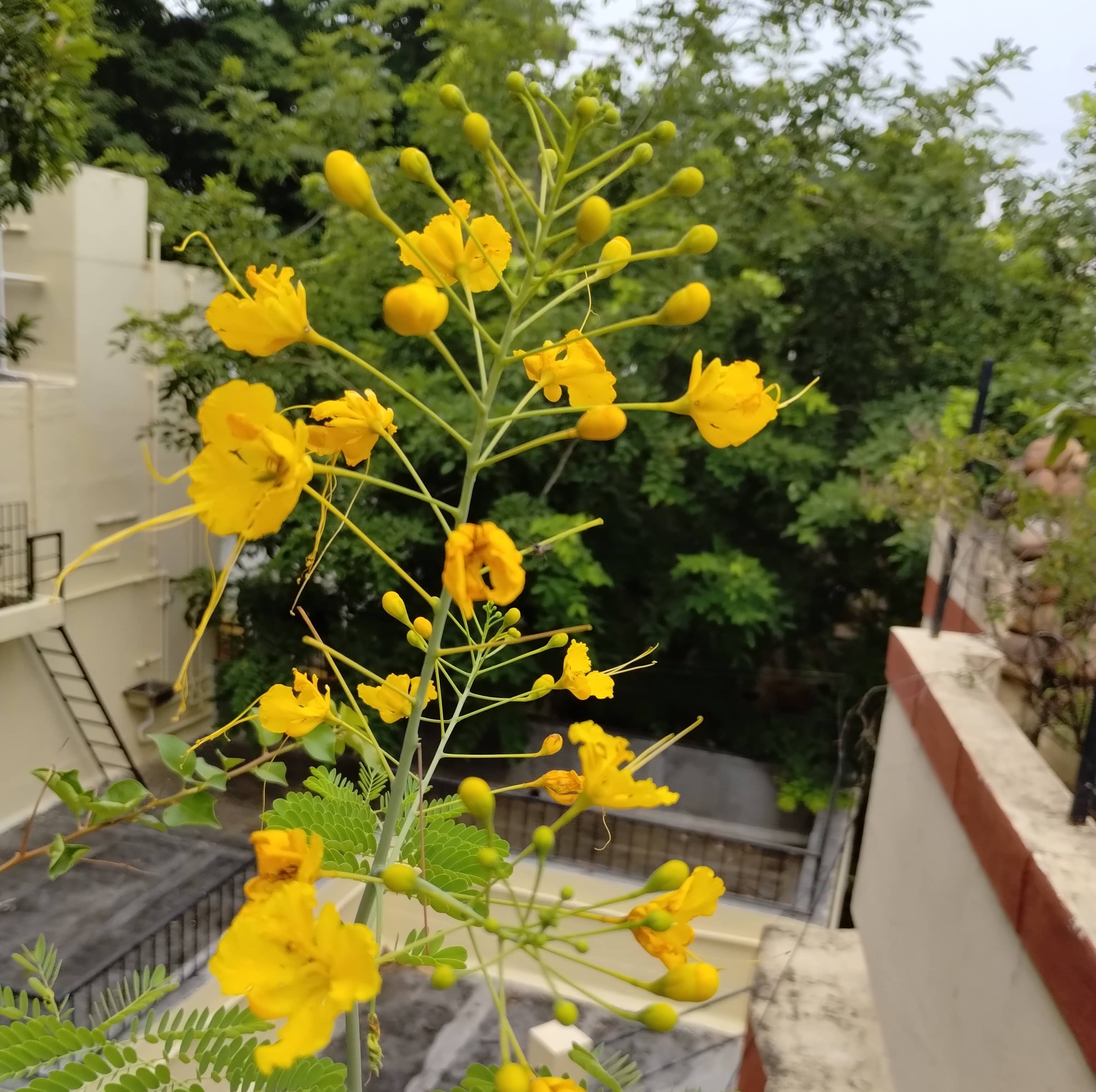
Caesalpinia
Caesalpinia pulcherrima
Spectacular tropical shrub featuring brilliant flame-colored flower clusters wit...
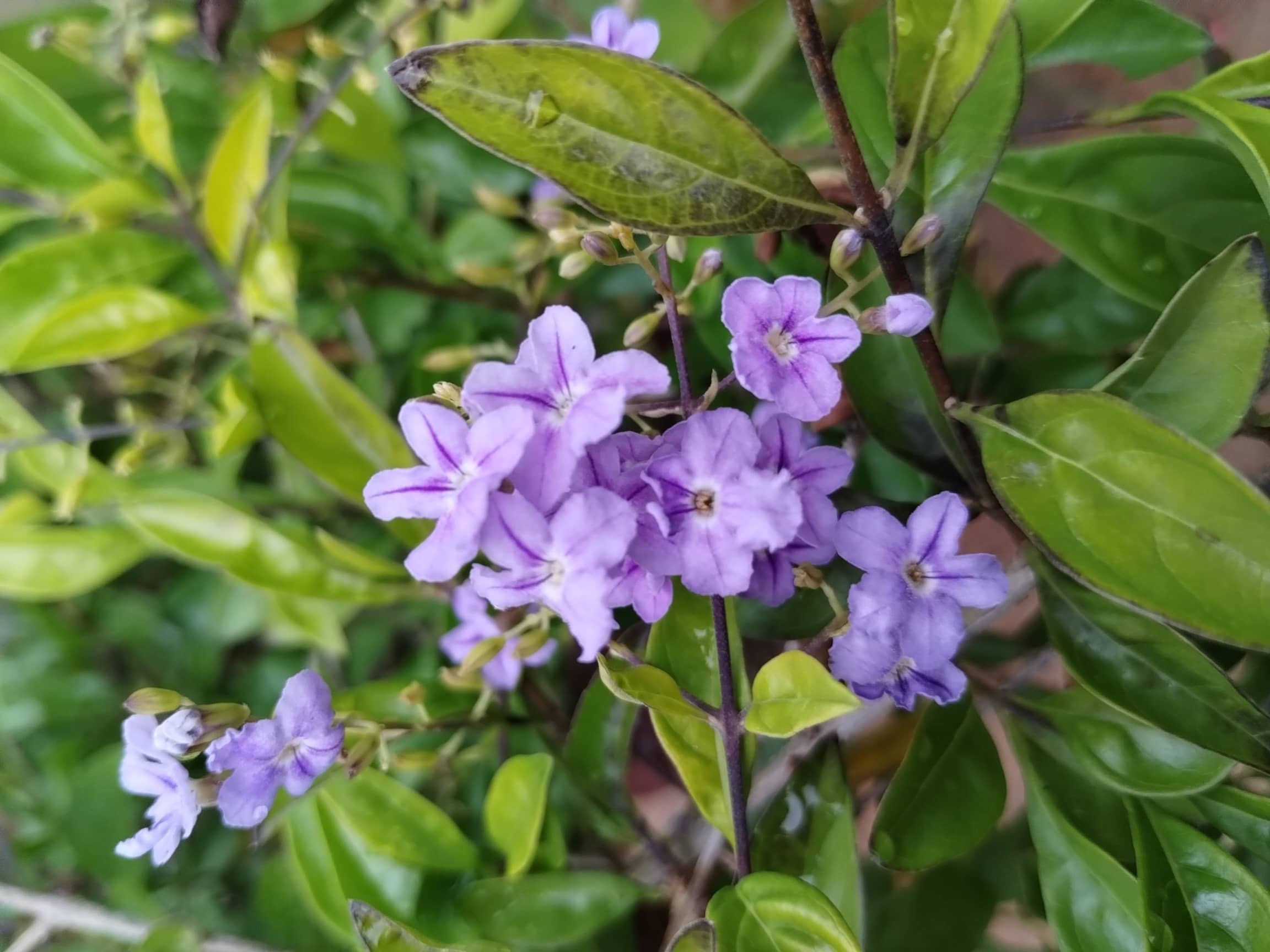
Duranta erecta
Duranta erecta
Versatile tropical shrub prized for both cascading clusters of small tubular flo...
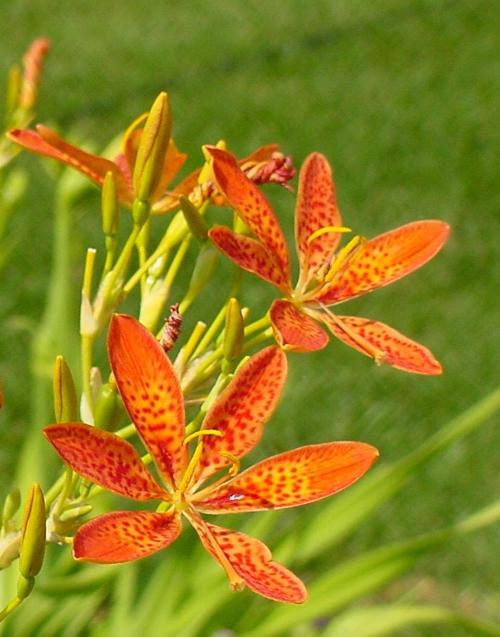
Leopard Lily
Iris domestica (syn. Belamcanda chinensis)
Striking perennial featuring exotic, star-shaped flowers in brilliant orange-red...