
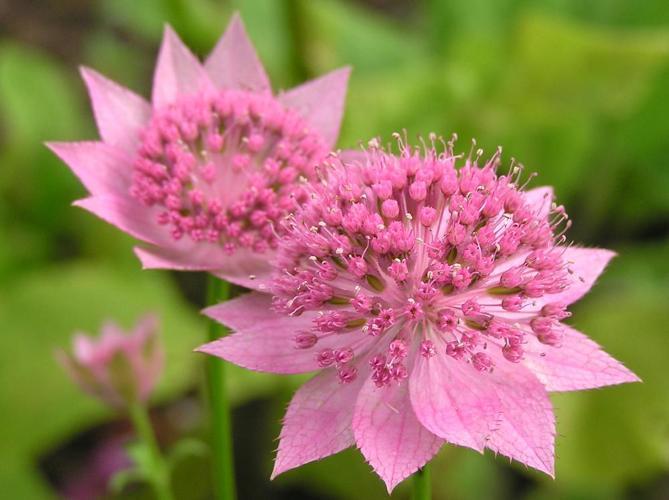
Masterwort
Astrantia
Basic Details
Floral Formula & Features
Radial or slightly bilateral symmetry, 5 free sepals, 5 free petals, 10 stamens arranged in two whorls of 5 each, 2-3 fused carpels forming an inferior ovary typical of the Apiaceae family
- The name 'Masterwort' comes from its historical use as a master herb in medieval medicine, while 'Astrantia' derives from Latin 'aster' meaning star, referring to the star-shaped arrangement of bracts
- Unique flower structure features a central dome of tiny florets encircled by a collar of petal-like bracts that are papery in texture and remain attractive for weeks, making them excellent for both fresh and dried arrangements
- Herbaceous perennial plant that blooms from late spring through summer (May-September), with flowers held on wiry stems above mounds of deeply lobed, palmate foliage
- Grows to 1.5-3 feet (45-90 cm) in height with similar spread. Long-lived perennial with lifespan of 10-15 years or more. Propagated by division in spring or autumn
- Native to alpine meadows and woodland edges of Central and Eastern Europe, particularly the Alps, Carpathians, and Caucasus mountains at elevations of 1,000-2,500 meters
- Thrives in partial to full shade, making it ideal for woodland gardens. Prefers consistently moist, humus-rich, well-drained soil. More tolerant of shade than most flowering perennials
- Attracts bees, butterflies, and beneficial insects. Deer and rabbit resistant due to slightly bitter foliage. Excellent cut flower with vase life of 7-10 days, and bracts dry beautifully for winter arrangements
Names in Different Languages
What is Floral Formula?
A floral formula is a symbolic representation of a flower's structure using letters, numbers, and special symbols. It provides a concise way to describe the arrangement and number of floral parts.
This formula describes the flower's symmetry, sepals, petals, stamens, and carpels in a standardized format.
Formula Sequence
- Bract: Br or Ebr
- Bracteole: Brl or Ebrl
- Symmetry: % (Radial) or ⊕ (Bilateral)
- Sex: ♀ (Female), ♂ (Male), or ⚥ (Bisexual)
- Calyx/Sepal: K<number> (Free or Fused)
- Corolla/Petal: C<number> (Free or Fused)
- Androecium: A<number> (Free or Fused)
- Gynaecium: G<number> (Superior or Inferior Ovary)
Symbol Meanings
- Numbers: Indicate quantity of parts
- Parentheses (): Parts are fused together
- Plus (+): Parts in different whorls
- Underline: Superior ovary position
- Overline: Inferior ovary position
- ∞: Numerous parts (too many to count)
Understanding floral formulas helps botanists quickly identify and classify flowers based on their structural characteristics.
Similar Flowers
Discover flowers that share botanical characteristics
Similar Characteristics
4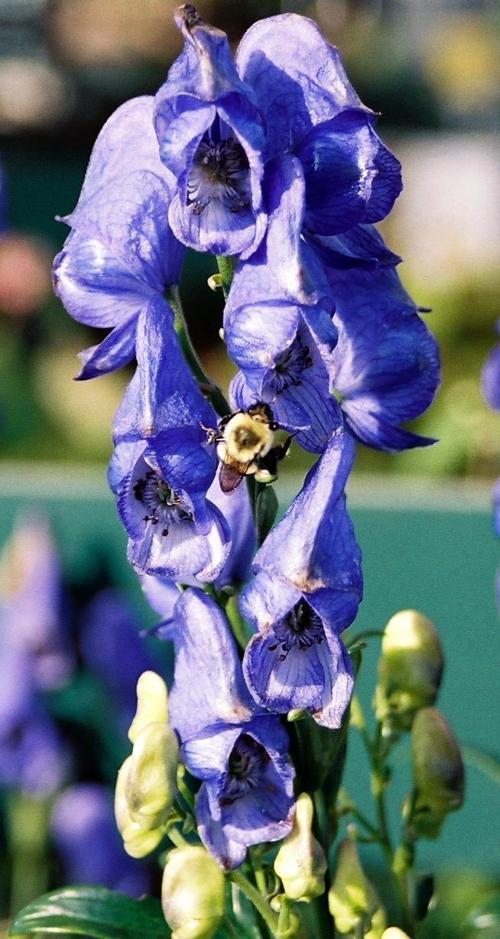
Monkshood
Aconitum napellus
Strikingly beautiful but DEADLY POISONOUS perennial with distinctive helmet or h...
Globe Amaranth
Gomphrena globosa
Cheerful annual featuring distinctive globe-shaped flower heads resembling color...
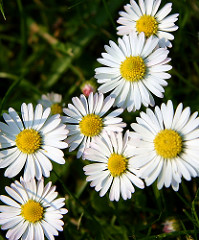
Daisy
Bellis perennis
Charming perennial featuring classic white ray florets (petals) surrounding a br...
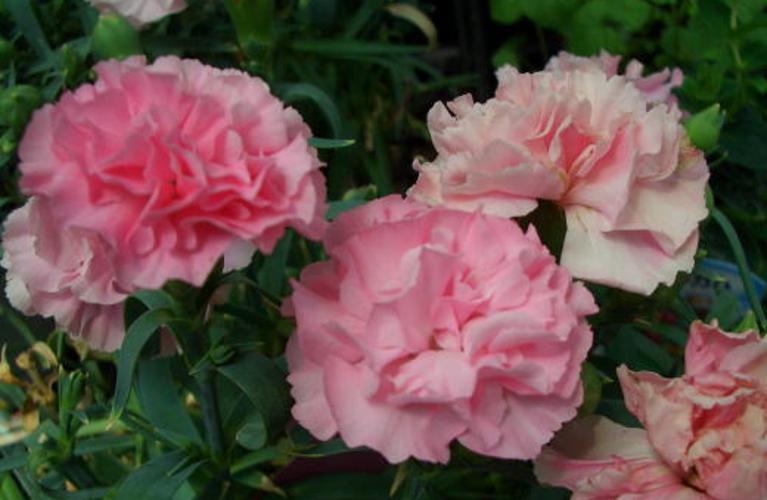
Carnation flower
Dianthus caryophyllus
Classic florist flower featuring densely ruffled, fringed petals with distinctiv...