
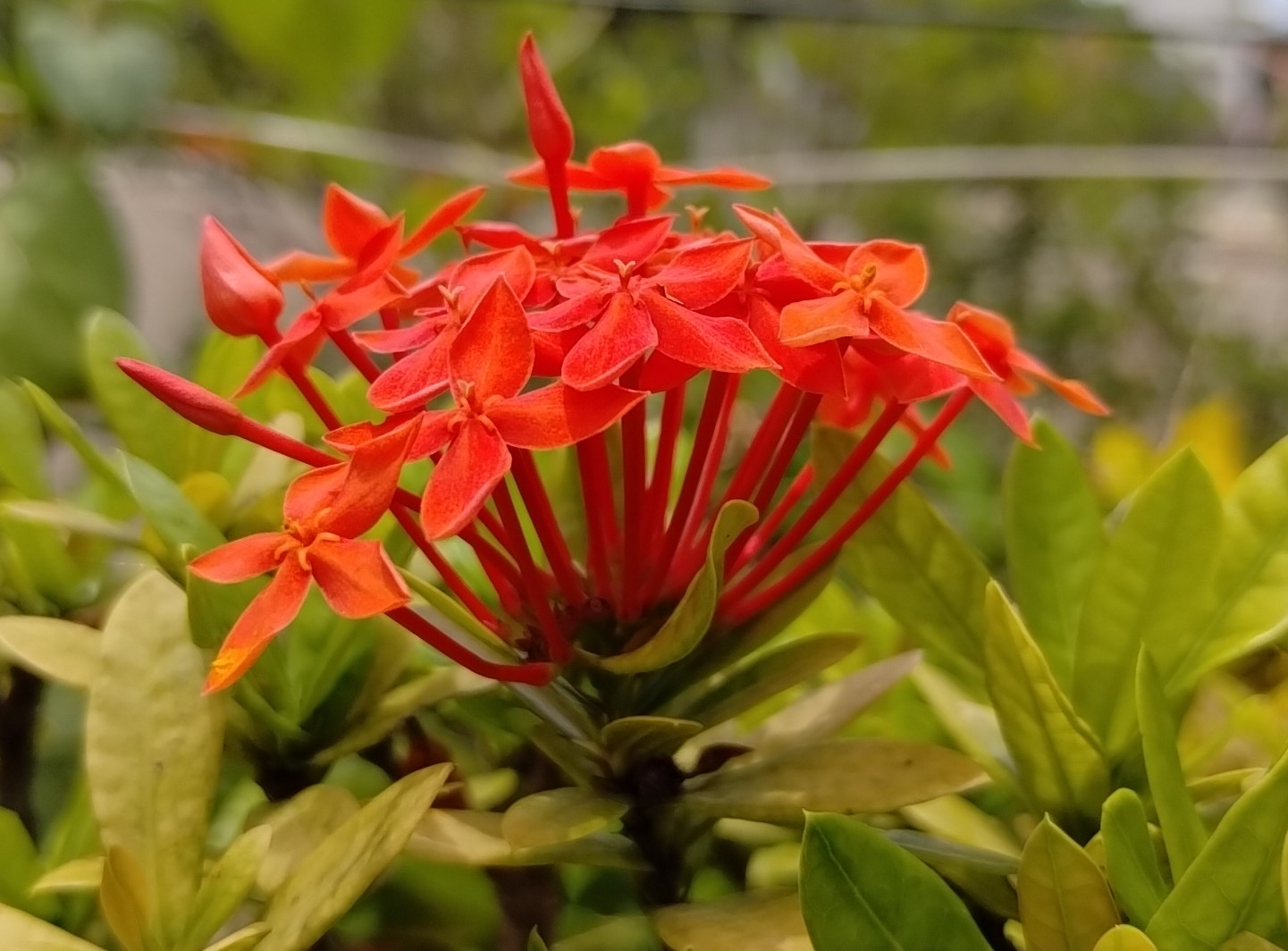
Ixora
Ixora coccinea
Basic Details
Floral Formula & Features
Ebracteate (no bracts), radially symmetrical (actinomorphic), bisexual, 4 fused sepals (small), 4 fused petals forming tube with spreading lobes, 4 stamens attached to corolla tube, 2 fused carpels with inferior ovary
- Name 'Ixora' from Sanskrit 'Ishwara' (Lord Shiva), as flowers offered in Hindu temples. Portuguese adapted to 'Ixora.' 'Jungle Flame' and 'Flame of the Woods' describe vibrant colors. 'Jungle Geranium' for geranium-like flower clusters. About 500 Ixora species, mostly tropical Asian
- Flowers 1-1.5 inches (2.5-4 cm) long, small tubular blooms with 4 spreading lobes. Arranged in dense, rounded clusters 2-5 inches across containing 15-60 individual flowers. Colors include red, scarlet, orange, coral, pink, salmon, yellow, and white. Blooms nearly year-round in tropics, primarily spring through fall elsewhere
- Evergreen shrub that blooms continuously in warm conditions. Fast-growing, reaching mature size in 2-3 years. Compact, rounded growth habit. Responds well to pruning for shaping. Popular hedge and foundation plant. Thrives in heat and humidity
- Grows 4-6 feet (1.2-1.8 m) tall and wide, dwarf varieties 2-3 feet. Compact, rounded habit. Lifespan of 15-25+ years. Propagated from semi-hardwood cuttings (root in 4-6 weeks), air layering, or seeds. Prune to maintain shape and size
- Native to tropical Asia, particularly southern India, Sri Lanka, and Southeast Asia. I. coccinea from India. Found in tropical forests and coastal areas. Now widely cultivated in tropical and subtropical regions worldwide, especially Florida, Hawaii, Caribbean, Southeast Asia
- Requires full sun to partial shade (blooms best in sun). Needs well-drained, acidic soil (pH 5.0-6.5). Water regularly; keep soil evenly moist. Feed monthly during growing season. Sensitive to cold (damaged below 40°F/4°C). Zones 10-11 outdoors; houseplant elsewhere
- Excellent hedge, border, foundation, and container plant. Blooms nearly year-round in warm climates. Attracts butterflies, bees, and hummingbirds. Flowers used in Hindu religious ceremonies and temple offerings. Low maintenance once established. Symbolizes passion and desire. Perfect for continuous color in tropical gardens
Names in Different Languages
What is Floral Formula?
A floral formula is a symbolic representation of a flower's structure using letters, numbers, and special symbols. It provides a concise way to describe the arrangement and number of floral parts.
This formula describes the flower's symmetry, sepals, petals, stamens, and carpels in a standardized format.
Formula Sequence
- Bract: Br or Ebr
- Bracteole: Brl or Ebrl
- Symmetry: % (Radial) or ⊕ (Bilateral)
- Sex: ♀ (Female), ♂ (Male), or ⚥ (Bisexual)
- Calyx/Sepal: K<number> (Free or Fused)
- Corolla/Petal: C<number> (Free or Fused)
- Androecium: A<number> (Free or Fused)
- Gynaecium: G<number> (Superior or Inferior Ovary)
Symbol Meanings
- Numbers: Indicate quantity of parts
- Parentheses (): Parts are fused together
- Plus (+): Parts in different whorls
- Underline: Superior ovary position
- Overline: Inferior ovary position
- ∞: Numerous parts (too many to count)
Understanding floral formulas helps botanists quickly identify and classify flowers based on their structural characteristics.
Similar Flowers
Discover flowers that share botanical characteristics
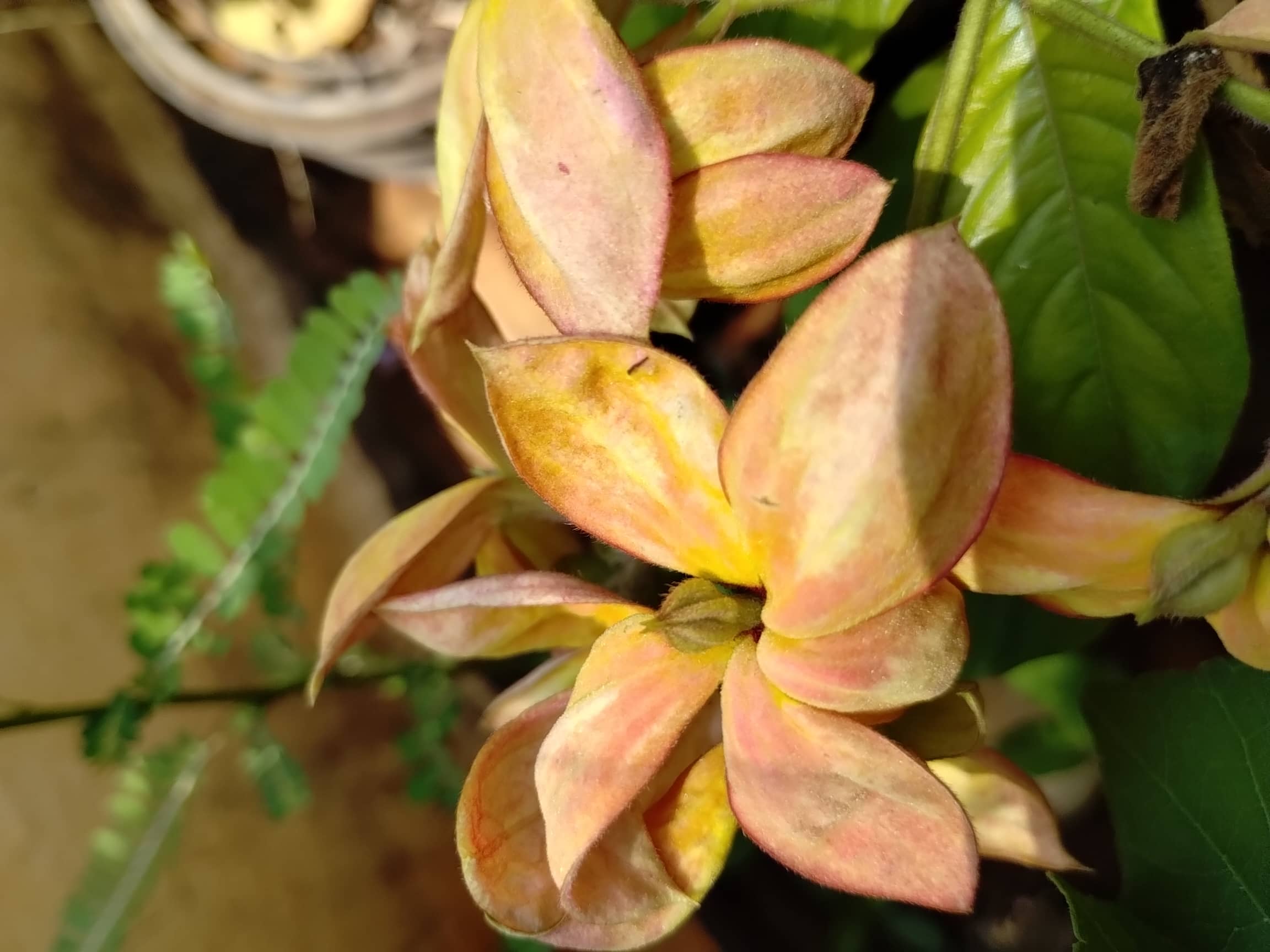
Similar Characteristics
4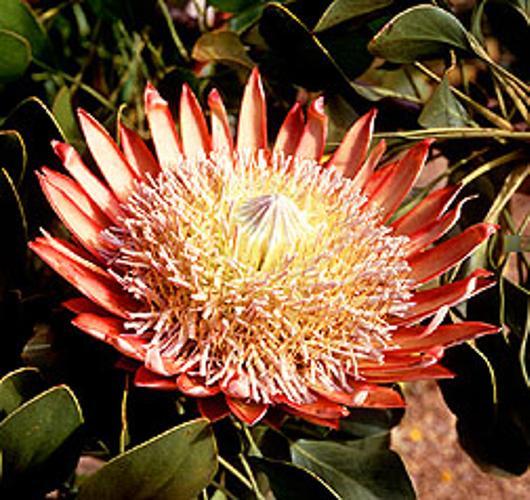
King Protea
Protea cynaroides
Magnificent flowering shrub featuring the largest flower head in the Protea genu...
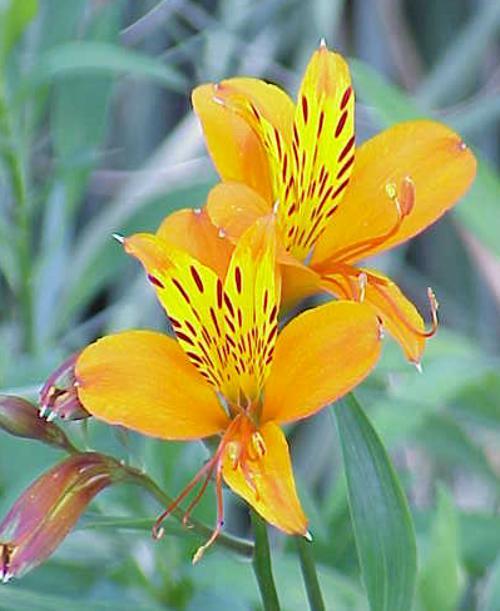
Peruvian Lily
Alstroemeria
Showy lily-like flowers with six petals covered in distinctive speckles, stripes...
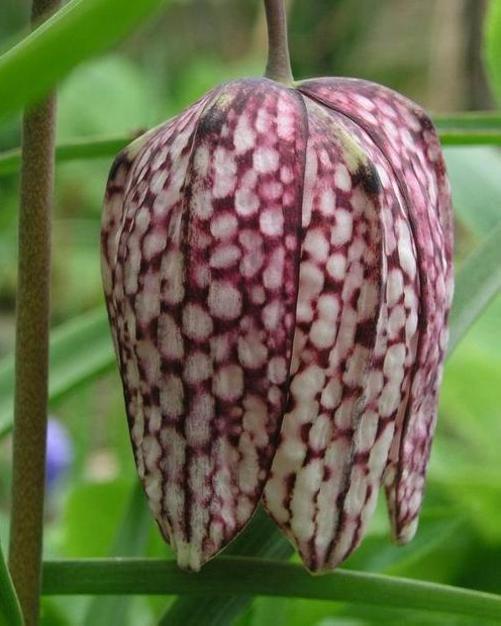
Fritillaria
Fritillaria
Elegant spring bulb featuring distinctive nodding, bell-shaped flowers, many wit...
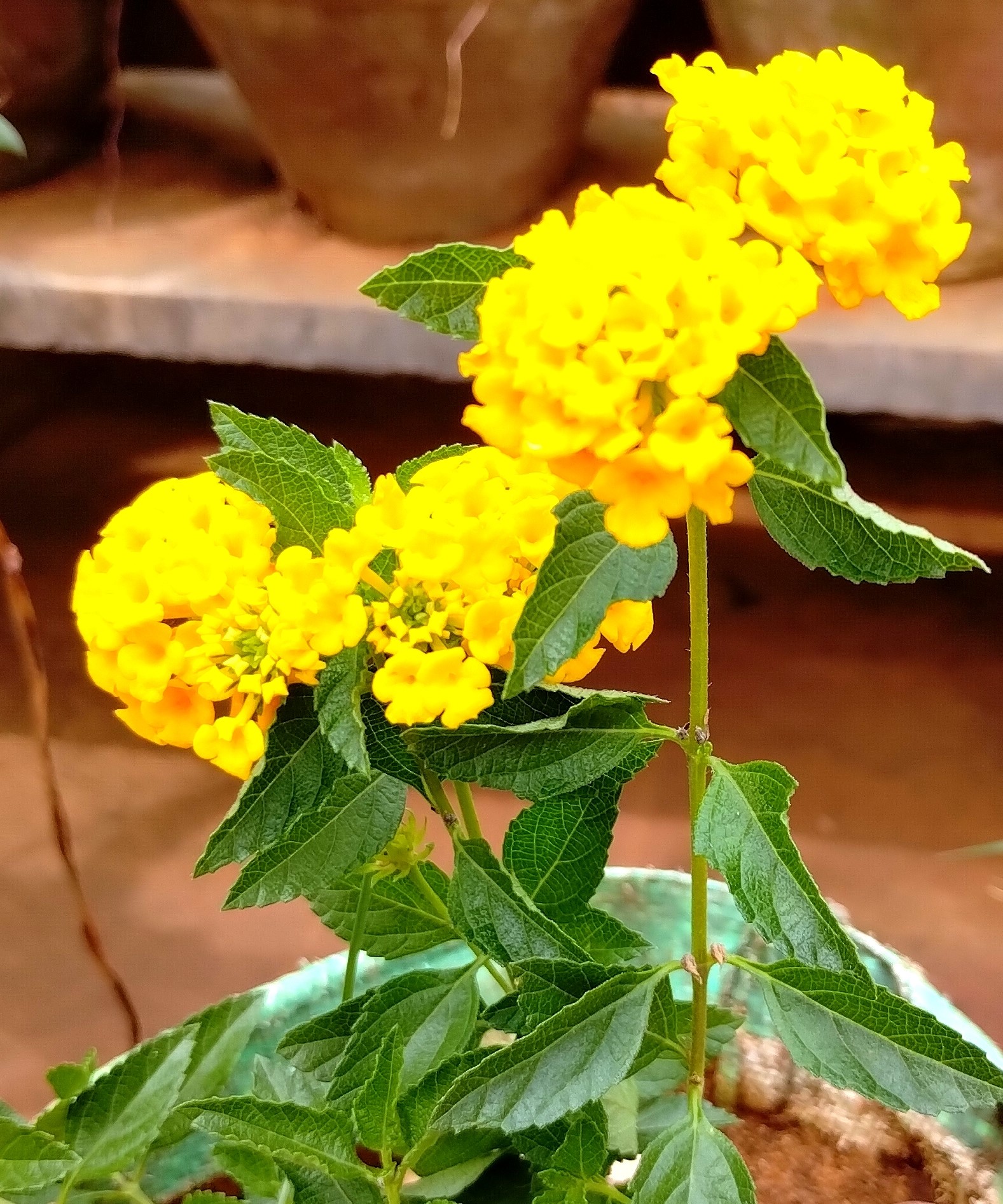
Lantana Camara
Lantana camara
Vigorous tropical shrub renowned for its dense, rounded clusters of tiny tubular...