
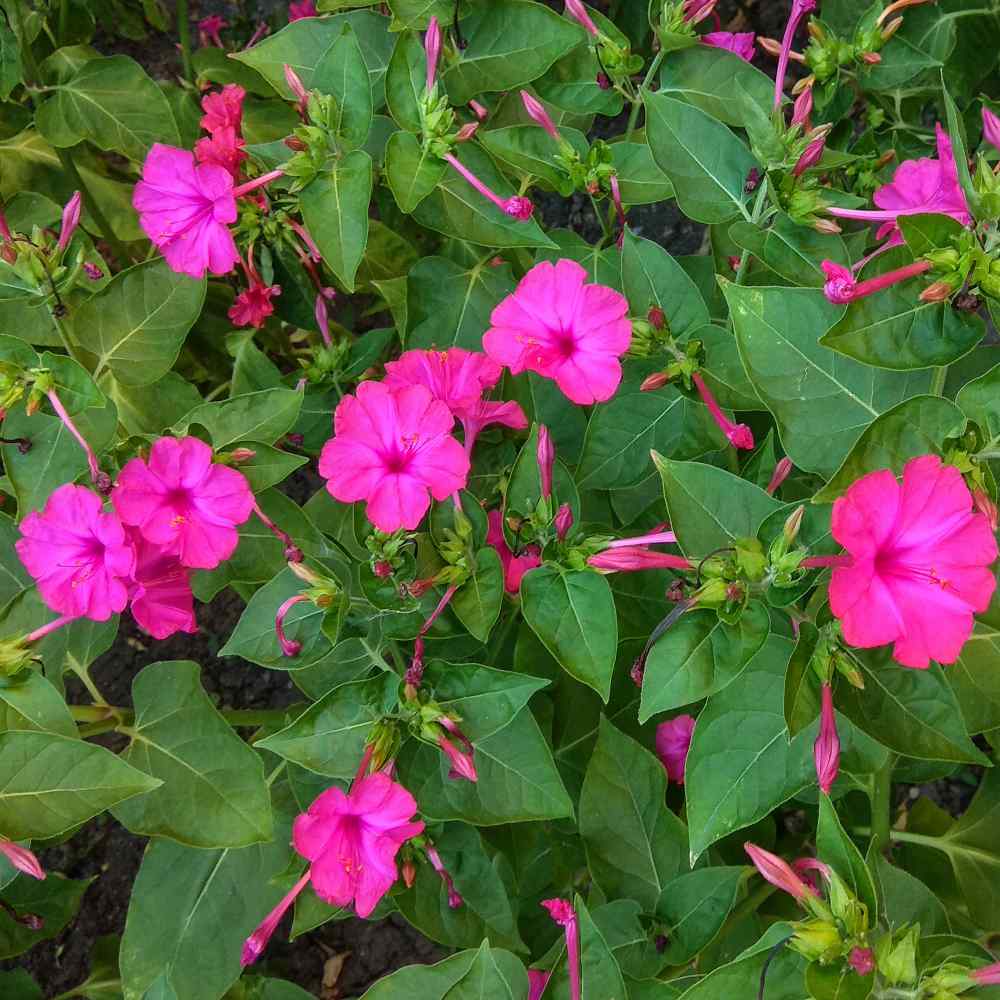
Four o'clock
Mirabilis jalapa
Basic Details
Floral Formula & Features
Ebracteate (no bracts), Actinomorphic (radially symmetrical), bisexual, 5 fused petaloid sepals forming trumpet (no true petals - perianth), 5 free stamens unequal lengths, 1 carpel with superior ovary
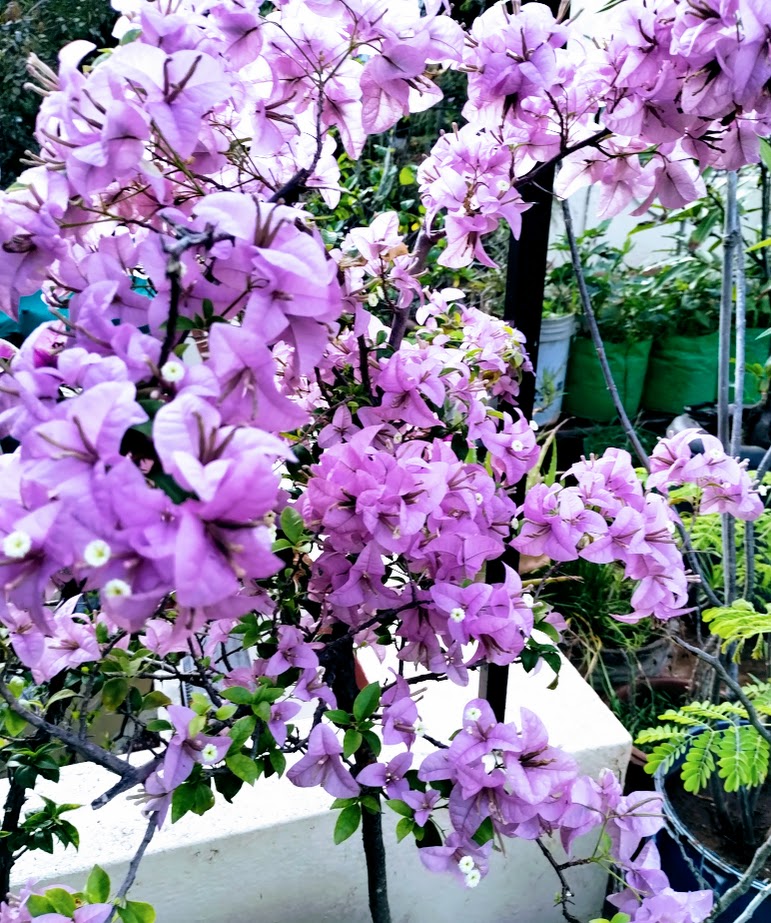
- Name 'Four O'Clock' from flowers opening late afternoon (4-8 PM), closing next morning. 'Mirabilis' Latin for wonderful/marvelous. 'Jalapa' from Xalapa, Mexico. Also called Marvel of Peru, Beauty of Night. Same family (Nyctaginaceae) as Bougainvillea
- Trumpet-shaped flowers 2 inches (5 cm) long with 5-lobed flared opening. Showy part is modified sepals (calyx), not true petals. Colors include red, pink, magenta, yellow, white, orange. Often multicolored, striped, or bicolored on same plant. Sweetly fragrant, especially at night
- Bushy tender perennial grown as annual in cold climates. Grows from large black tuberous roots (can be 2-3 inches/5-8 cm across). Oval leaves 2-4 inches (5-10 cm) long. Self-seeds prolifically. Opens in evening, closes in morning (earlier on cloudy days)
- Grows 2-4 feet (60-120 cm) tall and wide. Lifespan 5+ years in frost-free climates, grown as annual elsewhere. Propagated by seeds or division of tubers. Tubers can be dug and stored like dahlias over winter. Fast-growing, blooms first year from seed
- Native to tropical Americas - Mexico, Central America, northern South America. Naturalized in tropical and subtropical regions worldwide. Thrives in warm climates. Found in disturbed areas, roadsides, gardens. Considered invasive in some Pacific islands
- Requires full sun to partial shade. Thrives in average, well-drained soil. Drought-tolerant once established. Heat-tolerant. No frost tolerance - dies at first frost. Hardy zones 9-11 as perennial, grown as annual elsewhere. Minimal care needed
- Attracts nocturnal moths (sphinx moths), hummingbirds. Excellent for evening gardens where fragrance appreciated. Used as hedge, border, container plant. All parts toxic if ingested - causes stomach upset. Keep away from children, pets. Deer resistant
- Deadhead to prolong blooming or allow to self-seed. Water during dry spells. Fertilize lightly. In cold climates, dig tubers after frost, store in cool dry place over winter, replant in spring. May become weedy due to prolific self-seeding. Easy care plant
Names in Different Languages
What is Floral Formula?
A floral formula is a symbolic representation of a flower's structure using letters, numbers, and special symbols. It provides a concise way to describe the arrangement and number of floral parts.
This formula describes the flower's symmetry, sepals, petals, stamens, and carpels in a standardized format.
Formula Sequence
- Bract: Br or Ebr
- Bracteole: Brl or Ebrl
- Symmetry: % (Radial) or ⊕ (Bilateral)
- Sex: ♀ (Female), ♂ (Male), or ⚥ (Bisexual)
- Calyx/Sepal: K<number> (Free or Fused)
- Corolla/Petal: C<number> (Free or Fused)
- Androecium: A<number> (Free or Fused)
- Gynaecium: G<number> (Superior or Inferior Ovary)
Symbol Meanings
- Numbers: Indicate quantity of parts
- Parentheses (): Parts are fused together
- Plus (+): Parts in different whorls
- Underline: Superior ovary position
- Overline: Inferior ovary position
- ∞: Numerous parts (too many to count)
Understanding floral formulas helps botanists quickly identify and classify flowers based on their structural characteristics.
Similar Flowers
Discover flowers that share botanical characteristics
Similar Characteristics
4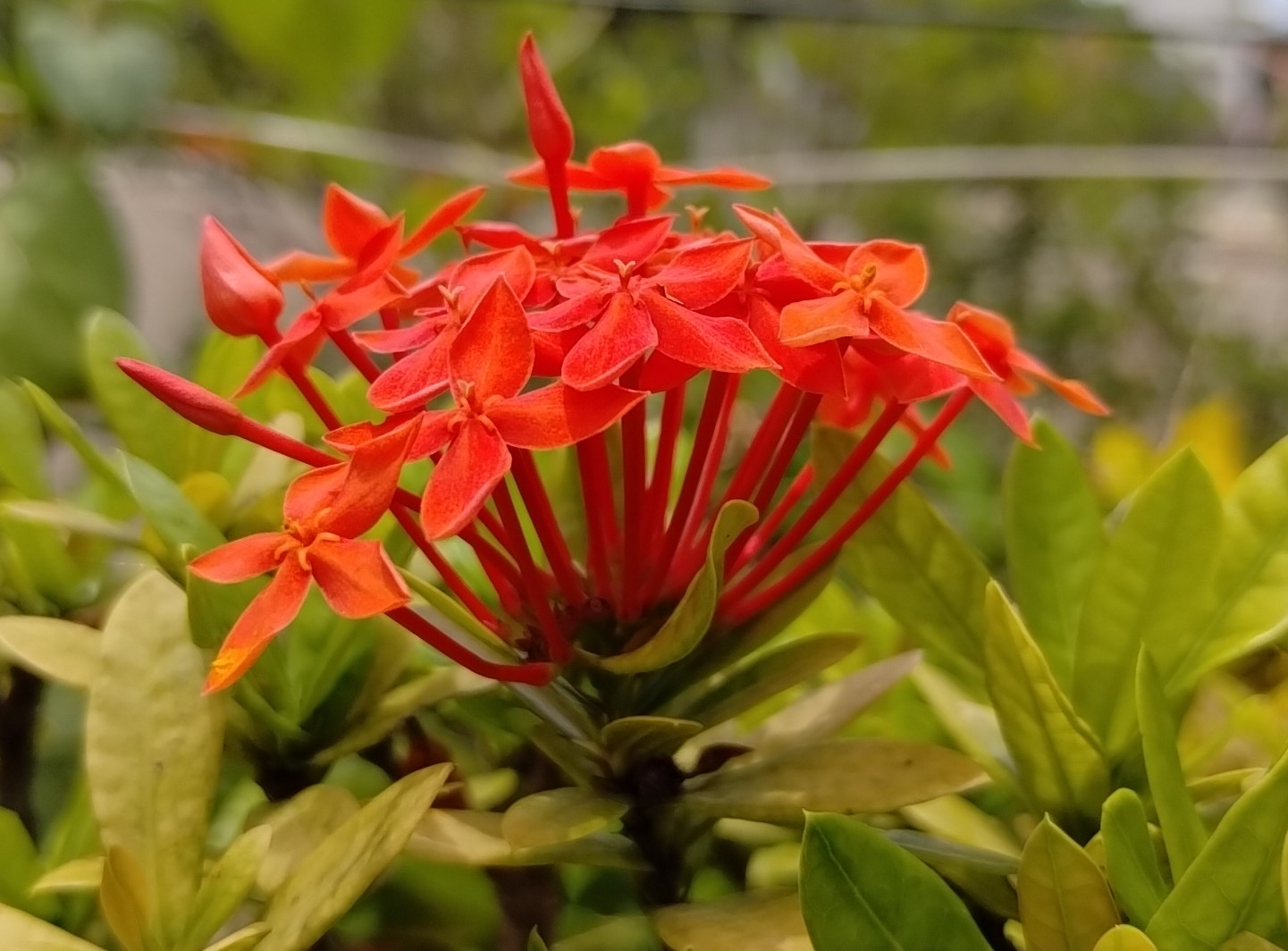
Ixora
Ixora coccinea
Vibrant tropical shrub featuring dense, rounded clusters of small, tubular flowe...
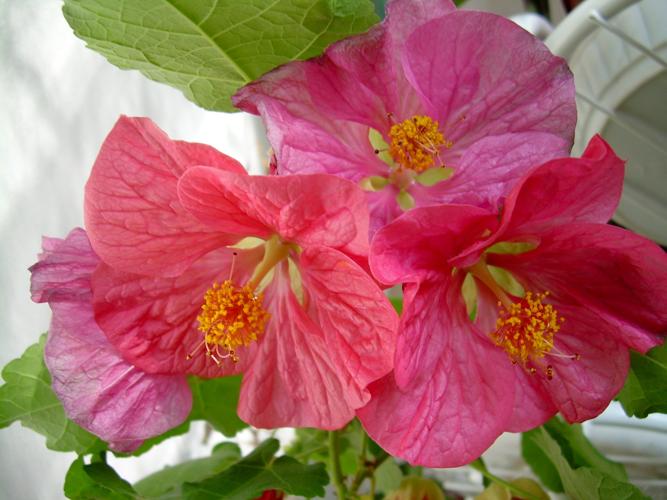
Mallow
Malva
Versatile medicinal herb with delicate cup-shaped flowers in pink, purple, or wh...
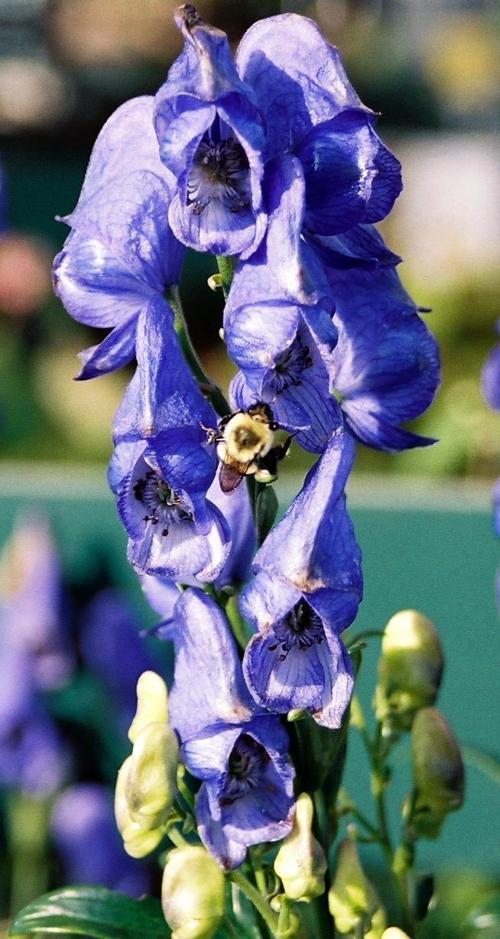
Monkshood
Aconitum napellus
Strikingly beautiful but DEADLY POISONOUS perennial with distinctive helmet or h...
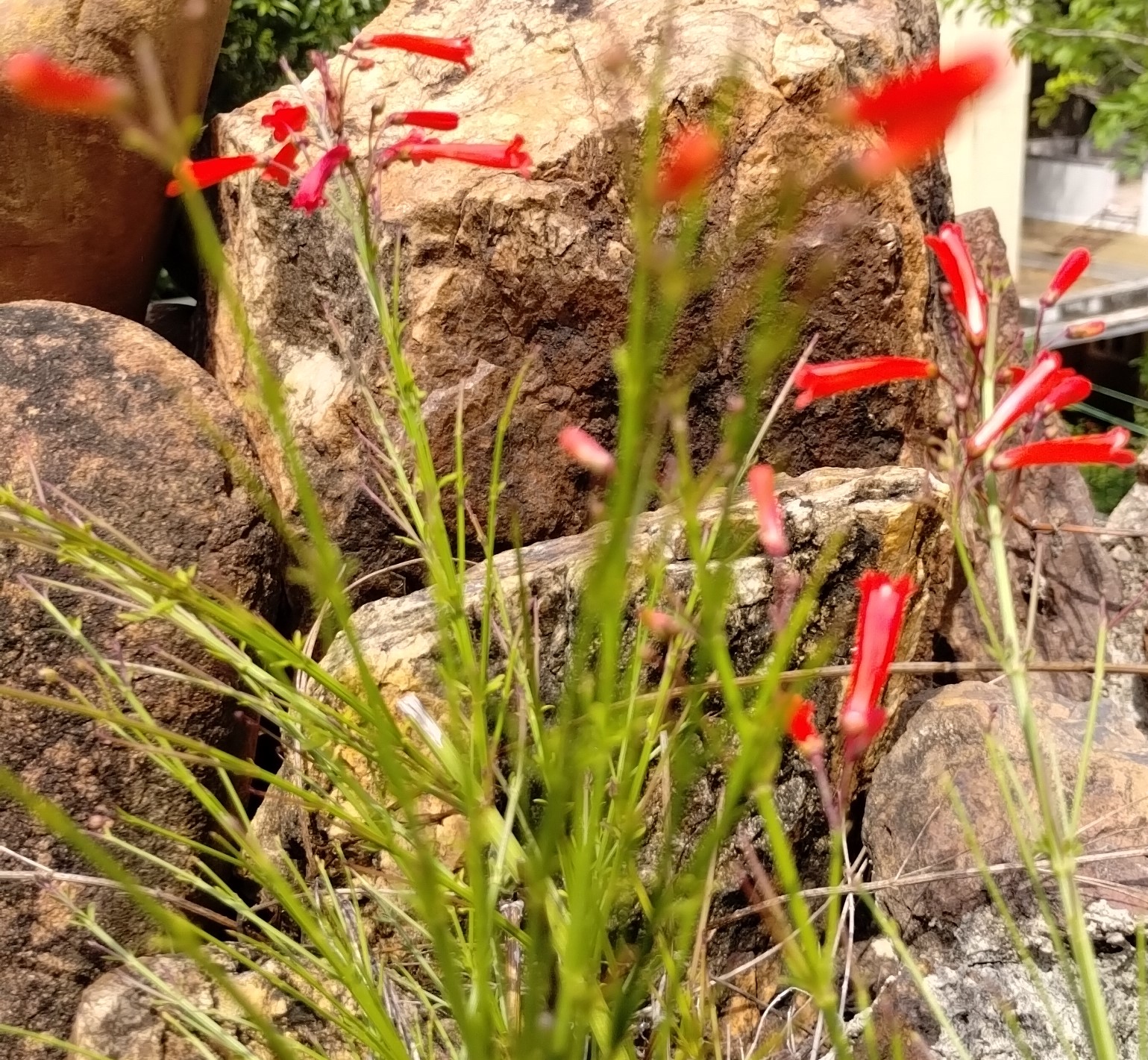
Russelia
Russelia equisetiformis
Spectacular tropical subshrub renowned for its graceful, cascading habit and pro...