
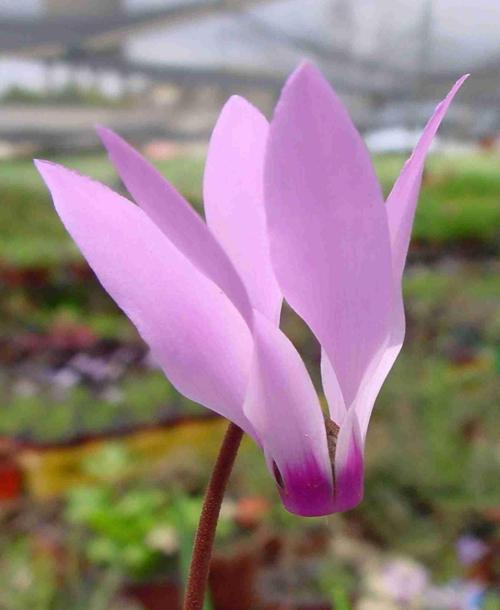
Cyclamen
Cyclamen persicum
Basic Details
Floral Formula & Features
Ebracteate (no bracts), radially symmetrical (actinomorphic), bisexual, 5 fused sepals forming short tube, 5 fused petals with reflexed (swept-back) lobes, 5 stamens fused to base of corolla tube, 5 fused carpels with superior ovary and free-central placentation
- Name 'Cyclamen' from Greek 'kyklos' (circle) referring to round, disc-like tuber. 'Persian Violet' for C. persicum from eastern Mediterranean. 'Sowbread' because wild pigs dig up and eat tubers. About 23 species, mostly Mediterranean. C. persicum is most common florist type
- Flowers 0.75-1.5 inches (2-4 cm) long with 5 reflexed (swept-back) petals creating shuttlecock or butterfly shape. Petals twist as they age. Colors include pink, red, magenta, purple, white, and bicolors, often with darker blotch at base. Many varieties fragrant. Blooms on leafless stems 4-8 inches tall
- Tuberous perennial with seasonal growth cycle. Florist types (C. persicum) bloom fall through spring (October-March) indoors. Hardy species bloom fall, winter, or spring depending on type. Goes dormant in summer—leaves yellow and die back. Tuber rests until triggered by cooler temperatures and moisture
- Plant height 6-9 inches (15-23 cm) for florist types, hardy species 3-6 inches. Tuber grows 2-6 inches across. Lifespan of many years (10-20+) with proper care. Propagated from seed (slow, 15-18 months to bloom) or by separating small tubers. Tuber grows from top, roots from bottom and sides
- Native to Mediterranean region, southern Europe, Turkey, Middle East, and parts of North Africa. C. persicum from eastern Mediterranean (Greece, Turkey, Lebanon). C. hederifolium from southern Europe. Found in rocky woodlands, under shrubs, and on shaded slopes
- Prefers bright, indirect light (no direct sun). Thrives in cool temperatures (50-65°F/10-18°C)—struggles in heat. Requires well-drained soil, slightly acidic to neutral. Water when soil surface dry, avoid wetting tuber crown. Reduce water as leaves yellow, keep nearly dry during summer dormancy. High humidity beneficial
- Popular gift plant for holidays and winter color. Hardy species (C. hederifolium, C. coum) survive outdoors in zones 5-9. Attracts early-season pollinators. Deer and rodent resistant (tubers toxic). All parts toxic to humans and pets if ingested—causes vomiting, diarrhea. After flowering, seed capsules coil downward on spiral stems
Names in Different Languages
What is Floral Formula?
A floral formula is a symbolic representation of a flower's structure using letters, numbers, and special symbols. It provides a concise way to describe the arrangement and number of floral parts.
This formula describes the flower's symmetry, sepals, petals, stamens, and carpels in a standardized format.
Formula Sequence
- Bract: Br or Ebr
- Bracteole: Brl or Ebrl
- Symmetry: % (Radial) or ⊕ (Bilateral)
- Sex: ♀ (Female), ♂ (Male), or ⚥ (Bisexual)
- Calyx/Sepal: K<number> (Free or Fused)
- Corolla/Petal: C<number> (Free or Fused)
- Androecium: A<number> (Free or Fused)
- Gynaecium: G<number> (Superior or Inferior Ovary)
Symbol Meanings
- Numbers: Indicate quantity of parts
- Parentheses (): Parts are fused together
- Plus (+): Parts in different whorls
- Underline: Superior ovary position
- Overline: Inferior ovary position
- ∞: Numerous parts (too many to count)
Understanding floral formulas helps botanists quickly identify and classify flowers based on their structural characteristics.
Similar Flowers
Discover flowers that share botanical characteristics
Same Family
2
Similar Characteristics
4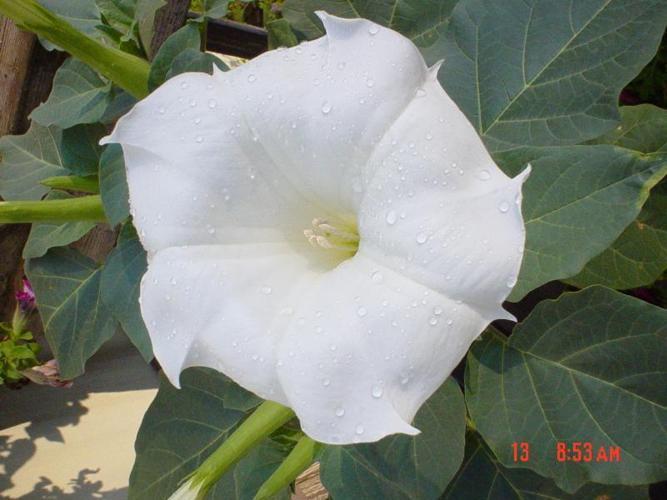
Thorn Apple
Datura stramonium
Striking annual herb featuring large, trumpet-shaped flowers that bloom white or...
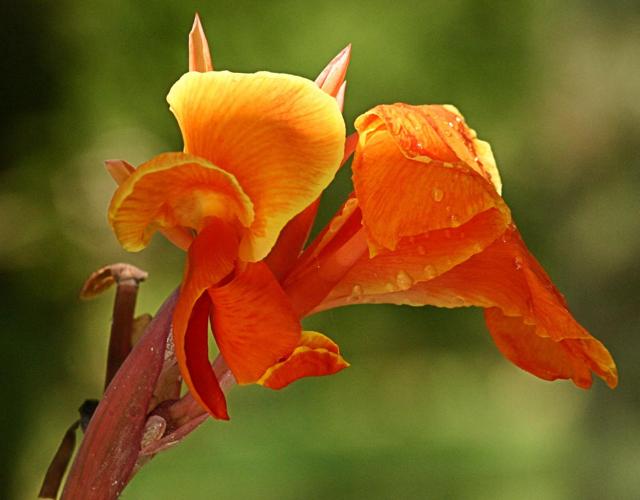
Canna lily
Canna indica
Bold tropical perennial featuring large, paddle-shaped leaves reminiscent of ban...
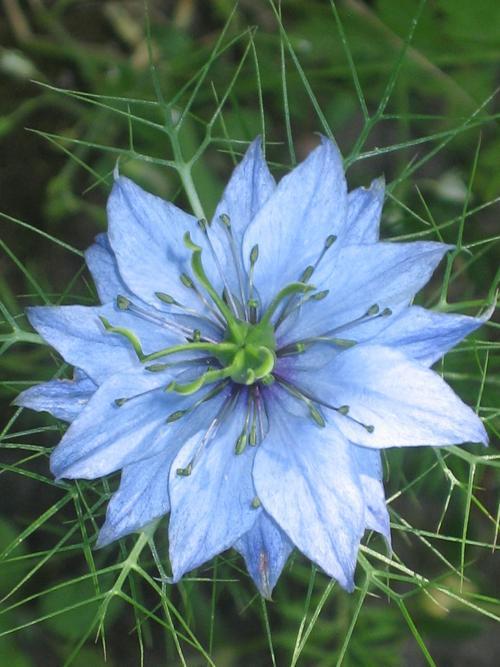
Love in a mist
Nigella damascena
Charming cottage garden annual featuring delicate jewel-like flowers in shades o...
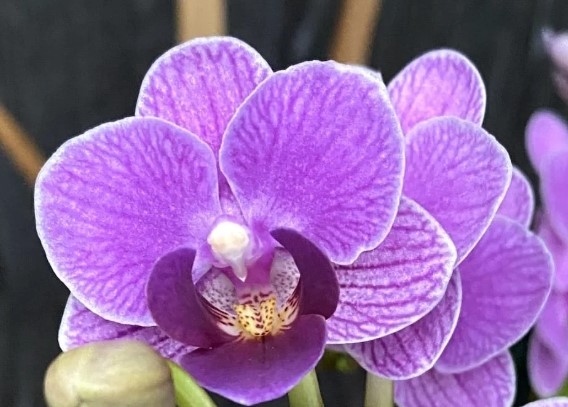
Phalaenopsis Orchid
Phalaenopsis
Popular and easy-to-grow orchid with elegant, moth-like flowers on gracefully ar...