
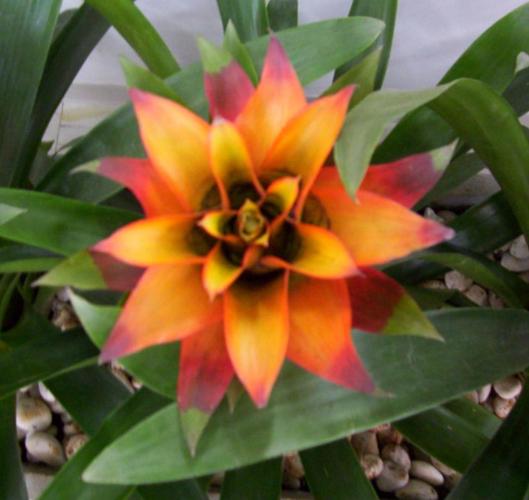
Bromelia
Bromelia
Basic Details
Floral Formula & Features
Radially symmetrical, bisexual, 3 free sepals, 3 free petals, 6 stamens in 2 whorls of 3, 3 fused carpels with inferior ovary
- Named after Swedish botanist Olof Bromelius. Family includes over 3,000 species, from tiny air plants (Tillandsia) to large terrestrial types. Pineapple (Ananas comosus) is the only commercially important food crop in the family
- True flowers are small and often inconspicuous, but surrounded by showy, colorful bracts that last for months. Flowers emerge from center of rosette on a spike. Bracts in red, pink, orange, yellow, or purple
- Perennial plants that bloom once in their lifetime (monocarpic), then produce offsets (pups) before dying. Blooming typically occurs after 1-3 years of growth. Many species are epiphytic, growing on trees without parasitizing them
- Size varies dramatically: air plants 2-6 inches (5-15 cm), medium houseplant types 1-2 feet (30-60 cm), large terrestrial species to 3-6 feet (1-2 m). Lifespan of 2-5 years for mother plant, but pups continue colony
- Native to tropical and subtropical Americas, from southern United States through Central and South America to Argentina. Found in rainforests, cloud forests, and some arid regions. Majority from Brazil
- Prefer bright, indirect light (direct sun can burn leaves). Most species absorb water through leaves into central tank - keep filled with fresh water. Epiphytic types need high humidity. Well-draining medium essential for potted types
- Popular low-maintenance houseplants. Air plants (Tillandsia) need no soil. Central tank provides habitat for frogs and insects in nature. Non-toxic to pets. Propagated from offsets (pups) that form at base after flowering
Names in Different Languages
What is Floral Formula?
A floral formula is a symbolic representation of a flower's structure using letters, numbers, and special symbols. It provides a concise way to describe the arrangement and number of floral parts.
This formula describes the flower's symmetry, sepals, petals, stamens, and carpels in a standardized format.
Formula Sequence
- Bract: Br or Ebr
- Bracteole: Brl or Ebrl
- Symmetry: % (Radial) or ⊕ (Bilateral)
- Sex: ♀ (Female), ♂ (Male), or ⚥ (Bisexual)
- Calyx/Sepal: K<number> (Free or Fused)
- Corolla/Petal: C<number> (Free or Fused)
- Androecium: A<number> (Free or Fused)
- Gynaecium: G<number> (Superior or Inferior Ovary)
Symbol Meanings
- Numbers: Indicate quantity of parts
- Parentheses (): Parts are fused together
- Plus (+): Parts in different whorls
- Underline: Superior ovary position
- Overline: Inferior ovary position
- ∞: Numerous parts (too many to count)
Understanding floral formulas helps botanists quickly identify and classify flowers based on their structural characteristics.
Similar Flowers
Discover flowers that share botanical characteristics
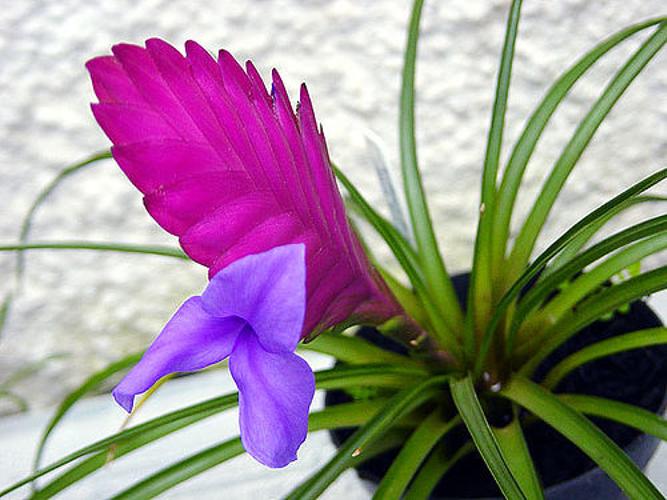
Similar Characteristics
4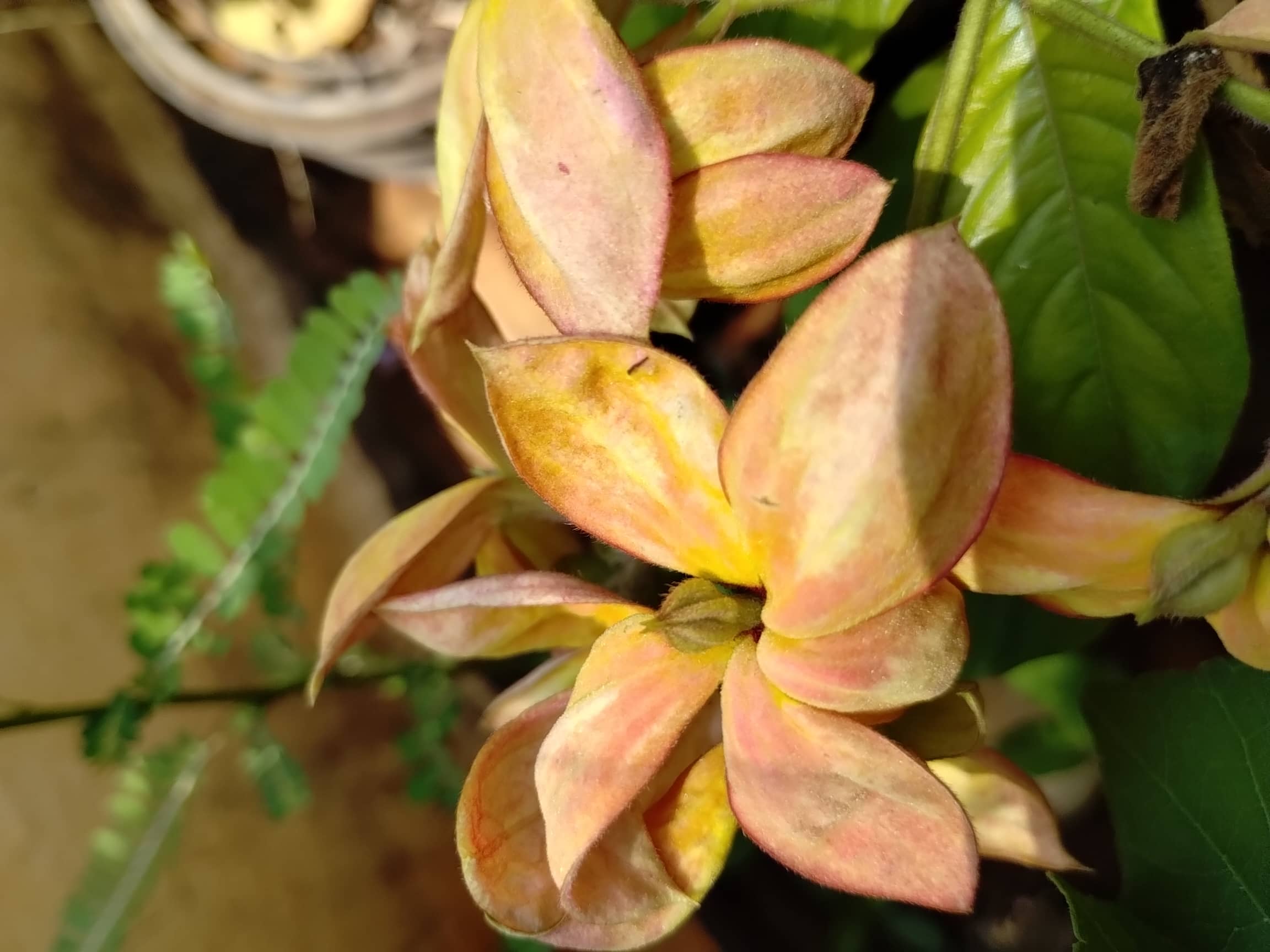
Mussaenda
Mussaenda erythrophylla
Tropical shrub famous for large, colorful leaf-like bracts in red, pink, white, ...
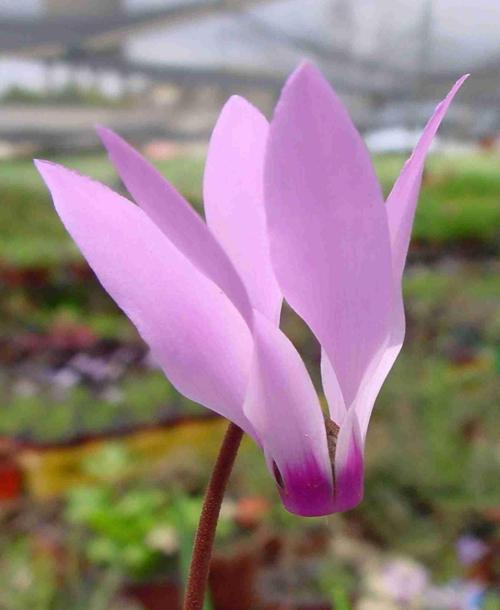
Cyclamen
Cyclamen persicum
Charming tuberous perennial featuring distinctive butterfly-like flowers with sw...
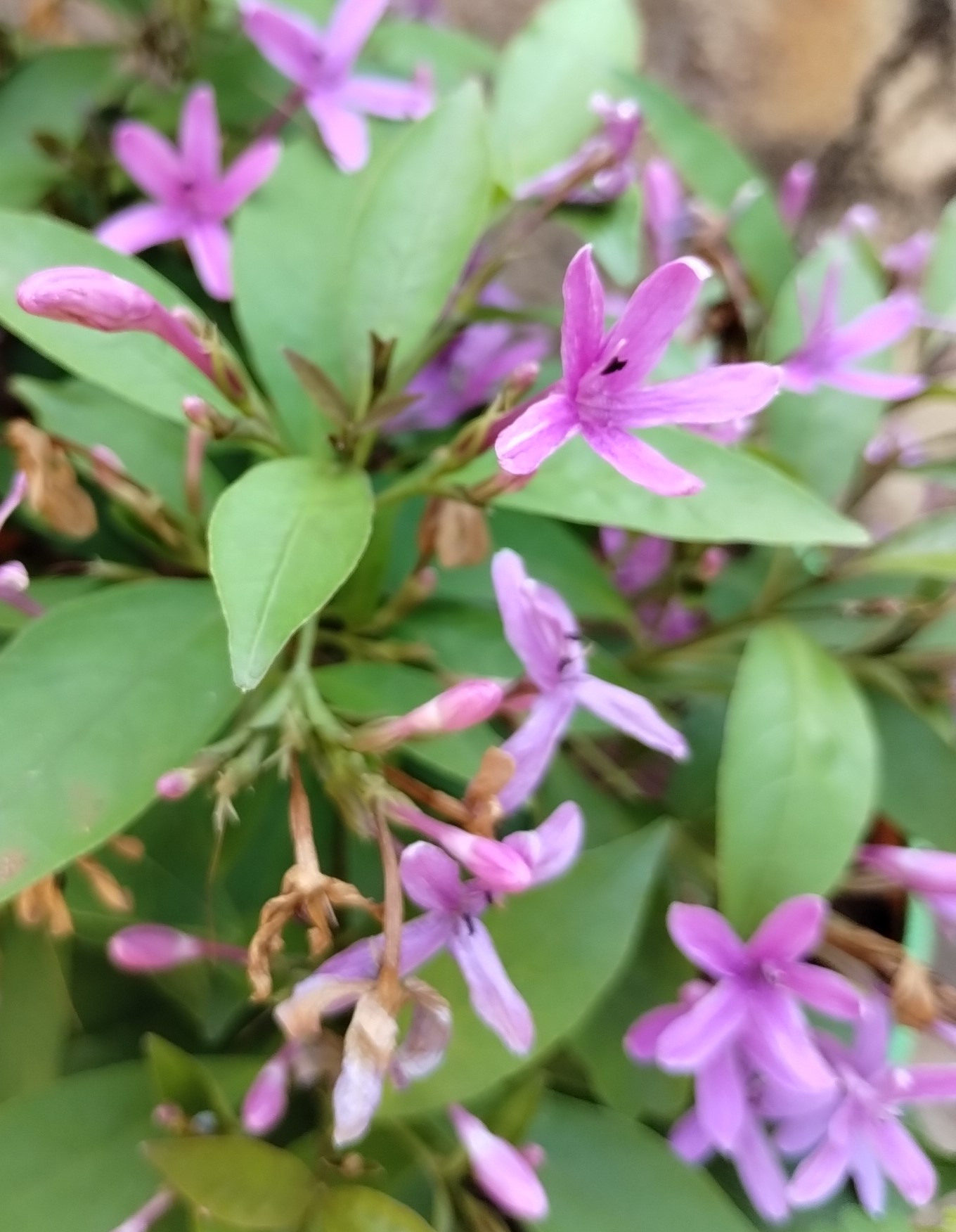
Pseuderanthemum
Pseuderanthemum
Striking tropical perennial shrub prized for its spectacular ornamental foliage ...
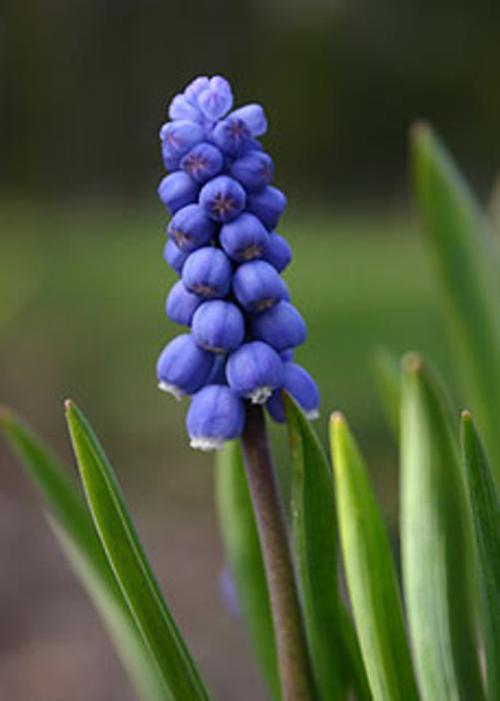
Grape hyacinth
Muscari
Charming spring bulb featuring dense spikes of tiny, urn-shaped flowers in rich ...