
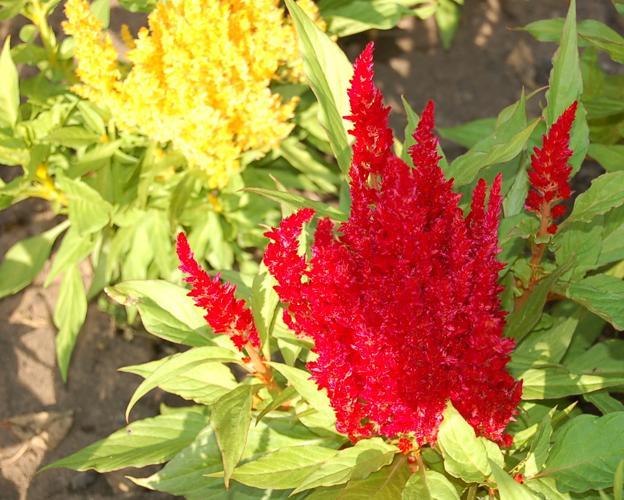
Celosia
Celosia Argentea
Basic Details
Floral Formula & Features
Bracts present, radially symmetrical, bisexual, 5 free sepals (often colored), no true petals (sepals provide color), 5 free stamens, 2-3 fused carpels with superior ovary
- Name 'Celosia' derives from Greek 'kelos' meaning burned, referring to the flame-like appearance of the flower heads. 'Amaranthus' comes from Greek 'amarantos' meaning unfading, as flowers retain color when dried
- Two distinct flower forms: Plumosa group features soft, feathery plumes 6-12 inches tall; Cristata group displays dense, convoluted crests resembling brain coral or rooster combs. Both forms consist of hundreds of tiny flowers clustered together
- Annual herbaceous plant, though some varieties can act as short-lived perennials in frost-free climates. Blooms from summer through first frost, with flowers lasting 8-10 weeks on the plant
- Height ranges from 6 inches for dwarf varieties to 5 feet for tall plumed types. Lifespan of one growing season (4-6 months). Easily grown from seed, germinating in 7-14 days
- Native to tropical regions of Africa, Asia, and the Americas, with origins traced to Mexico and Central America. Now cultivated worldwide as ornamental and food crop
- Thrives in full sun with 6-8 hours of direct sunlight. Heat and drought tolerant once established. Prefers well-drained soil but adapts to various conditions. Performs poorly in cool, wet climates
- Young leaves and seeds are edible and nutritious in some amaranth species. Excellent cut flower with vase life of 7-10 days. Dries beautifully for everlasting arrangements, retaining vibrant colors for months
Names in Different Languages
What is Floral Formula?
A floral formula is a symbolic representation of a flower's structure using letters, numbers, and special symbols. It provides a concise way to describe the arrangement and number of floral parts.
This formula describes the flower's symmetry, sepals, petals, stamens, and carpels in a standardized format.
Formula Sequence
- Bract: Br or Ebr
- Bracteole: Brl or Ebrl
- Symmetry: % (Radial) or ⊕ (Bilateral)
- Sex: ♀ (Female), ♂ (Male), or ⚥ (Bisexual)
- Calyx/Sepal: K<number> (Free or Fused)
- Corolla/Petal: C<number> (Free or Fused)
- Androecium: A<number> (Free or Fused)
- Gynaecium: G<number> (Superior or Inferior Ovary)
Symbol Meanings
- Numbers: Indicate quantity of parts
- Parentheses (): Parts are fused together
- Plus (+): Parts in different whorls
- Underline: Superior ovary position
- Overline: Inferior ovary position
- ∞: Numerous parts (too many to count)
Understanding floral formulas helps botanists quickly identify and classify flowers based on their structural characteristics.
Similar Flowers
Discover flowers that share botanical characteristics
Similar Characteristics
4
Pincushion
Scabiosa
Charming perennial with distinctive dome-shaped flower heads resembling a pincus...
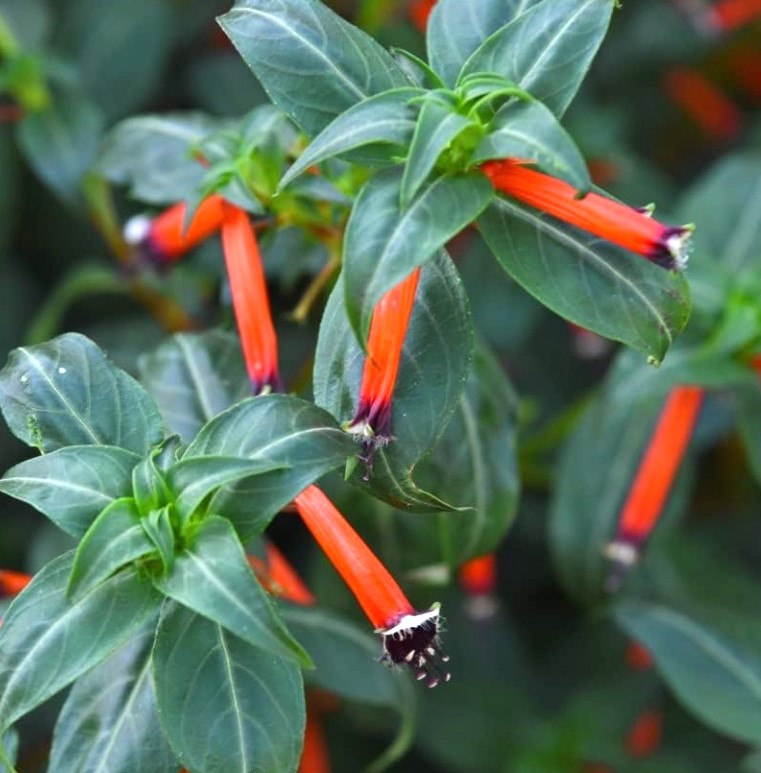
Cuphea Cigar
Cuphea ignea
Charming compact shrub featuring unique tubular flowers that resemble tiny lit c...
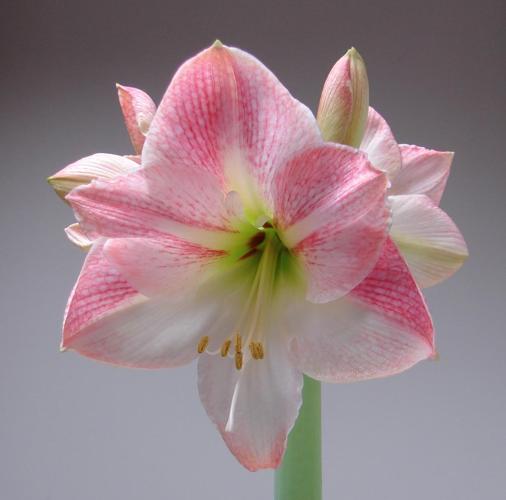
Amaryllis
Hippeastrum
Spectacular bulbous plant producing 2-6 large, trumpet-shaped flowers per stalk ...
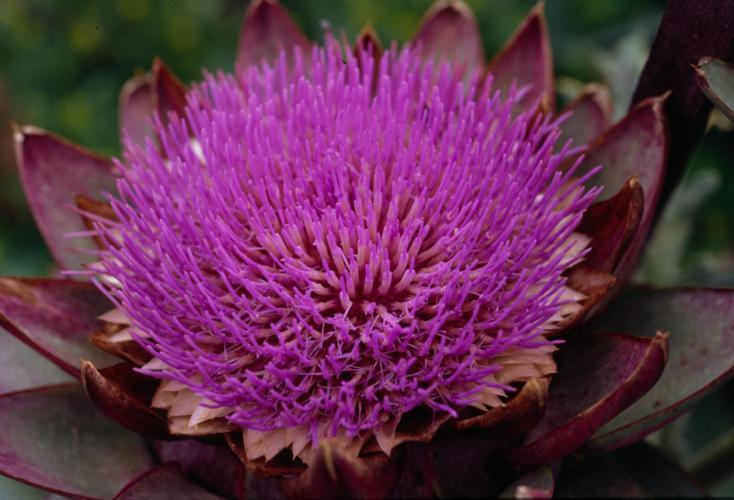
Artichoke
Cynara scolymus
Dramatic architectural plant grown primarily for its edible flower buds, which a...