Lace Bug
Corythucha spp.
Basic Details
Description
Taxonomy
Features
Translations
Basic Details
NameLace Bug
DescriptionLace bugs are tiny insects that cause elegant but destructive damage to ornamental leaves. Identify their unique lacework wings and 'varnish spots' to protect your shrubs.
TypeInsect
FamilyTingidae
GenusCorythucha
TribeTingini
Taxonomy & Features
PhylumArthropoda
SubphylumHexapoda
ClassInsecta
OrderHemiptera
SubfamilyTinginae
Features
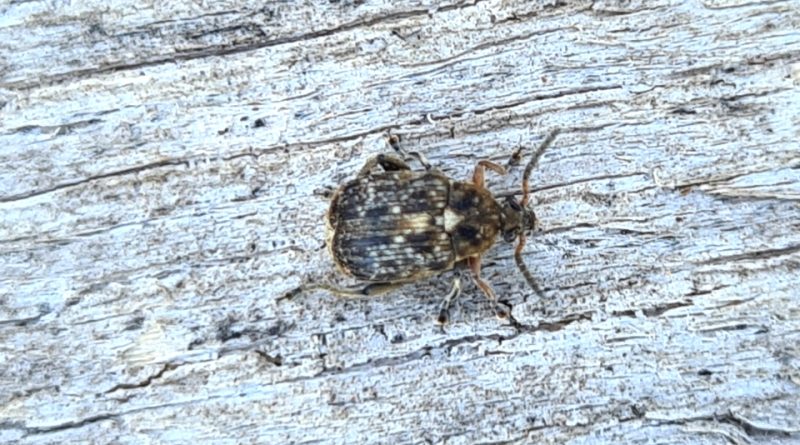
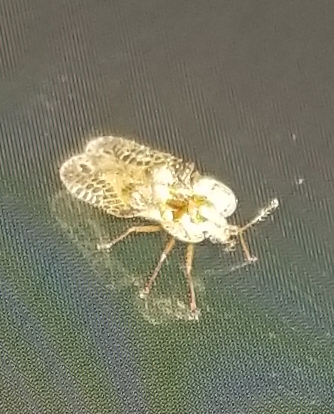
- Named for the beautiful, lace-like pattern of veins on the adult's clear, rectangular wings and hood. They are exclusively plant-feeders that live on the undersides of leaves
- Adults are small (3-4 mm), flattened insects with intricate mesh-like wings. Nymphs are darker, flightless, and often covered in spines. Often found in large colonies
- Use piercing-sucking mouthparts to drain chlorophyll from leaf cells. They feed primarily on the lower surface of leaves but the damage is most visible on the top surface
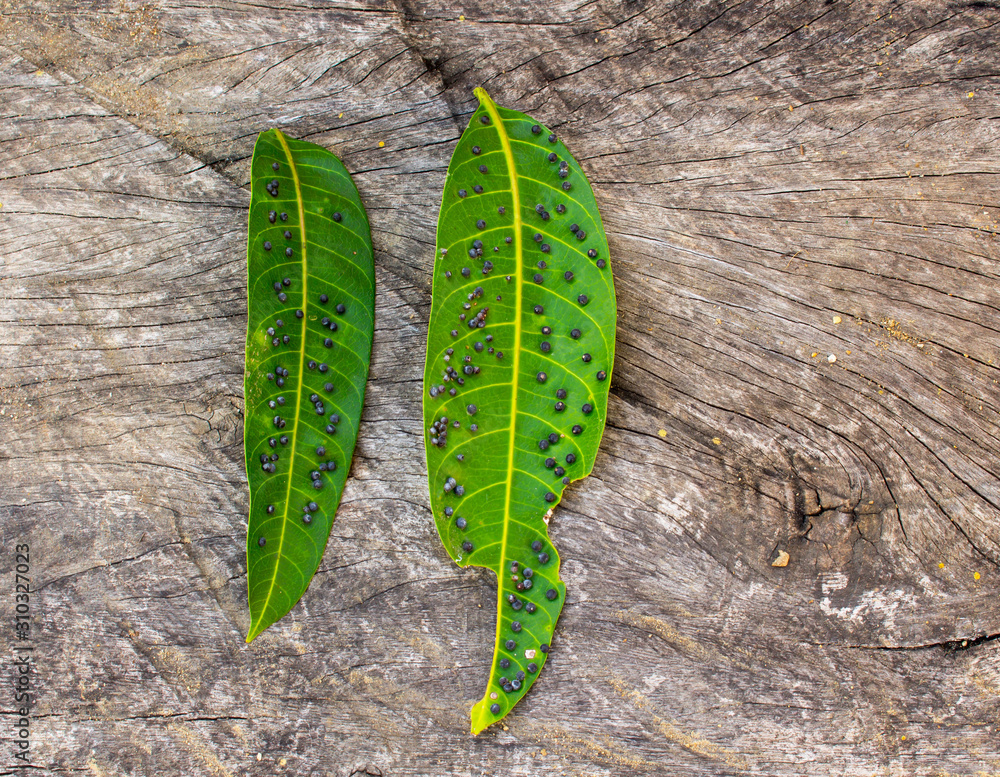
- Top surface of leaves shows fine white or yellow stippling (spots). The underside is littered with characteristic 'varnish spots'—hard, black, shiny droplets of insect excrement
- Females insert eggs into the leaf tissue along the midrib. Nymphs hatch and feed together through 5 stages before becoming winged adults. Multiple generations occur per year
- Adults are 3 to 6 mm long. They are slow-moving and rarely fly far, tending to stay on their specific host plant for their entire life
- Most active during hot, dry weather in summer. Plants grown in full sun are significantly more susceptible to heavy infestations than those in shade
- Highly host-specific. Different species attack azaleas, rhododendrons, hawthorns, sycamores, oaks, and various fruit trees
- Improve plant health by providing adequate water and shade if possible. Avoid using broad-spectrum insecticides that kill the lace bug's many natural enemies
- Blast the undersides of leaves with a strong stream of water to dislodge nymphs. Apply insecticidal soap, neem oil, or horticultural oil, ensuring thorough coverage of the leaf undersides
Names in Different Languages
Latin / ScientificCorythucha spp.
English (Alternate)Tingid bug, Shielded bug
Hindiलेस बग (Lace bug)
Tamilலேஸ் பக் (Lace bug)
Teluguలేస్ బగ్ (Lace bug)
Malayalamലേಸ್ ಬಗ್ (Lace bug)
Kannadaಜಾಲರಿ ತಿಗಣೆ (Jālari tigaṇe)
Sanskritजाल-पक्ष-कीट (Jāla-pakṣa-kīṭa)
Bengaliলেস বাগ (Lace bug)
Frenchpunaise réticulée
Russianкружевница (kruzhevnitsa)
Spanishchinche de encaje
GermanNetzwanze