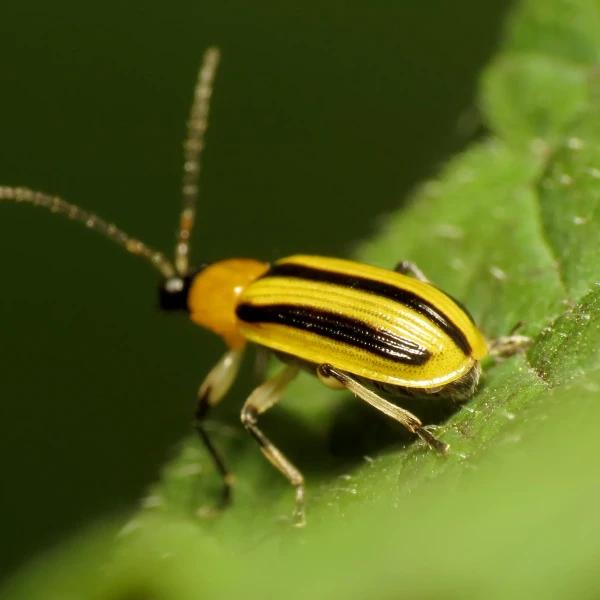
Cucumber Beetle
Acalymma vittatum, Diabrotica undecimpunctata
Basic Details
Description
Taxonomy
Features
Translations
Basic Details
NameCucumber Beetle
DescriptionCucumber beetles are serious pests of vine crops, chewing leaves and transmitting deadly bacterial wilt. Identify striped and spotted varieties to protect your harvest.
TypeInsect
FamilyChrysomelidae
GenusAcalymma
TribeLuperini
Taxonomy & Features
PhylumArthropoda
SubphylumHexapoda
ClassInsecta
OrderColeoptera
SubfamilyGalerucinae
Features
- Named for their preference for cucumbers and other cucurbits. Two main types exist: the Striped Cucumber Beetle (3 black stripes) and the Spotted Cucumber Beetle (12 black spots)
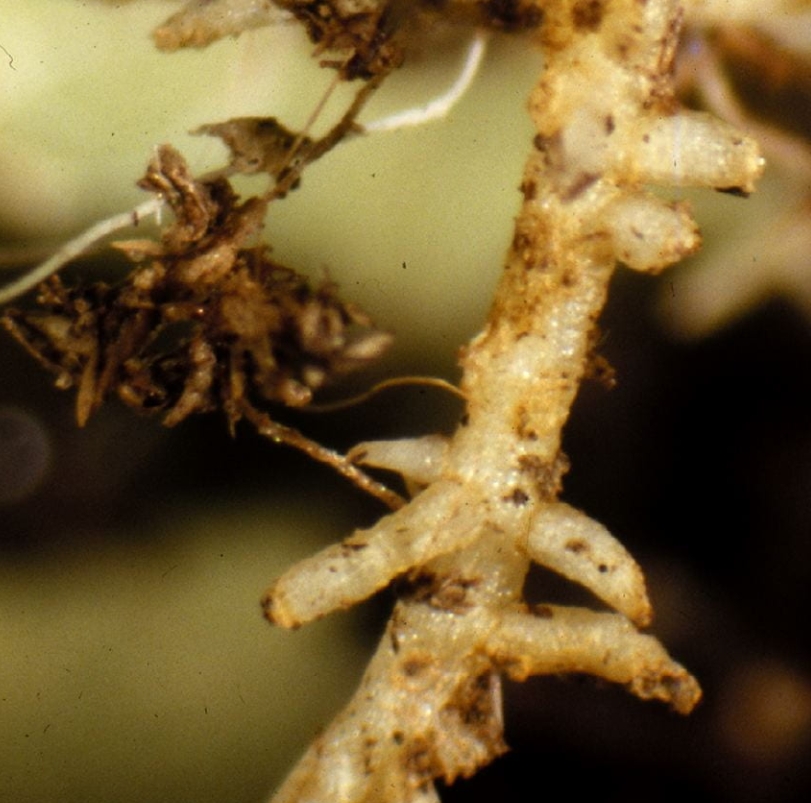
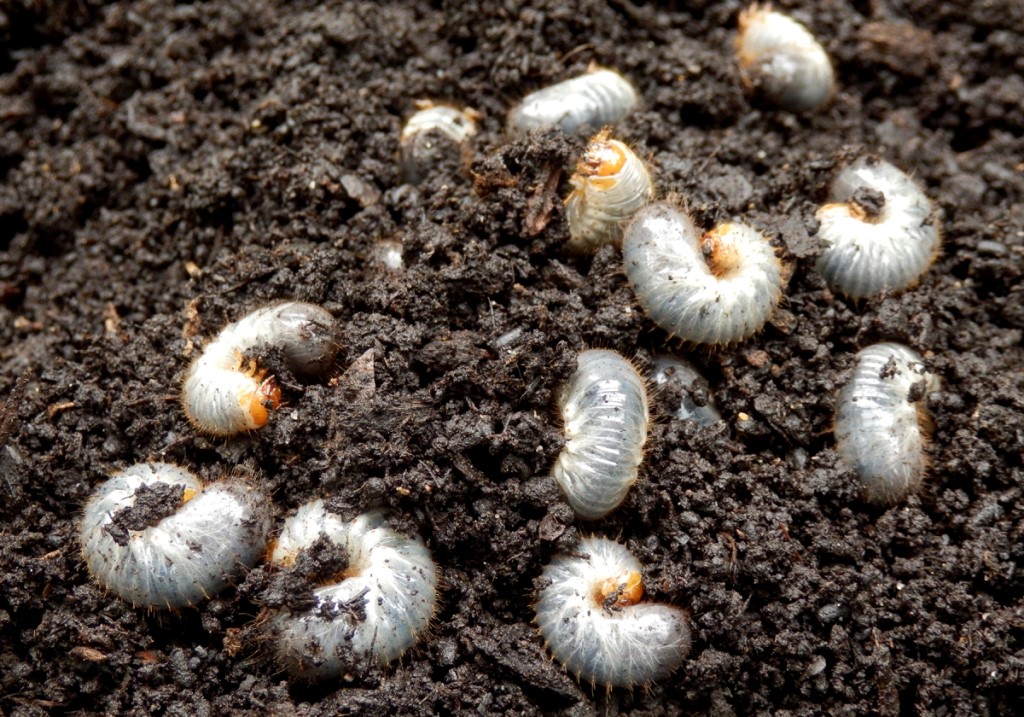
- Adults are yellow-orange beetles about 6 mm long. Striped species has a black abdomen; spotted species has a yellow-green body. Larvae are white, thin, soil-dwelling 'corn rootworms'
- Adults feed on leaves, flowers, and fruit surfaces. Most critically, they carry and transmit the bacteria 'Erwinia tracheiphila' which causes irreversible bacterial wilt
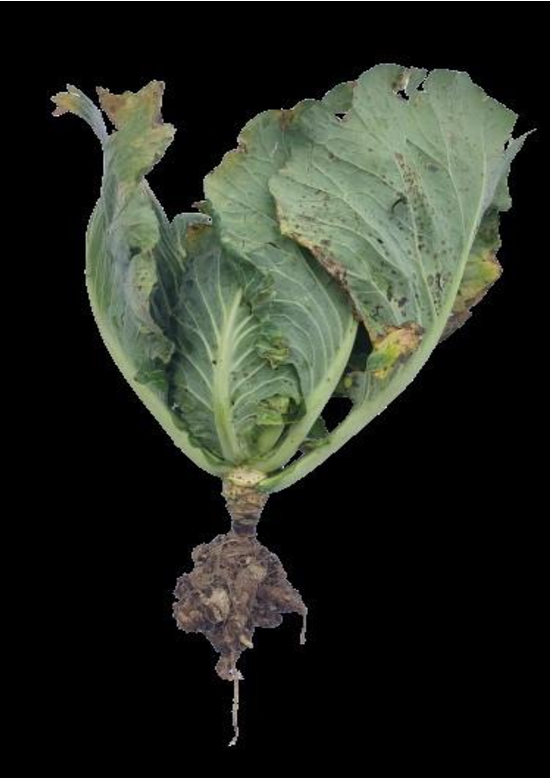
- Feeding damage appears as ragged holes in leaves and scars on fruit. However, sudden wilting of vines (even when watered) is the most common sign of the bacteria they spread
- Adults overwinter in garden debris and emerge in spring when temperatures reach 18°C. They lay eggs in soil near stem bases. Larvae feed on roots for 2-4 weeks before pupating
- Adults measure 5-6 mm in length. They are very active and often fly away when the plant is disturbed or approached
- Most active in late spring and early summer. Prefer warm, sunny days. They are highly attracted to the chemical 'cucurbitacin' found in squash family plants
- Attack cucumbers, squash, pumpkins, melons, and watermelons. Spotted variety also attacks corn, beans, and various flowers
- Prevent by using row covers immediately after planting until flowers appear. Use yellow sticky traps to monitor populations. Plant 'trap crops' like Blue Hubbard squash
- Handpick beetles in the early morning when they are sluggish. Use neem oil, kaolin clay, or botanical sprays like pyrethrin. Encourage natural predators like tachinid flies
Names in Different Languages
Latin / ScientificAcalymma vittatum, Diabrotica undecimpunctata
English (Alternate)Striped/Spotted Cucumber Beetle, Corn Rootworm (larva)
Hindiखीरा भृंग (Kheera bhringa)
Tamilவெள்ளரி வண்டு (Vellari vandu)
Teluguదోసకాయ పురుగు (Dosakaya purugu)
Malayalamവെള്ളരി വണ്ട് (Vellari vandu)
Kannadaಸೌತೆಕಾಯಿ ಜೀರುಂಡೆ (Sautekāyi jīruṇḍe)
Sanskritकर्कटी-भृङ्ग (Karkaṭī-bhṛṅga)
Bengaliশশা ভক্ষক পোকা (Shasha bhokkhok poka)
Frenchchrysomèle du concombre
Russianогуречный жук (ogurechnyy zhuk)
Spanishescarabajo del pepino
GermanGurkenkäfer