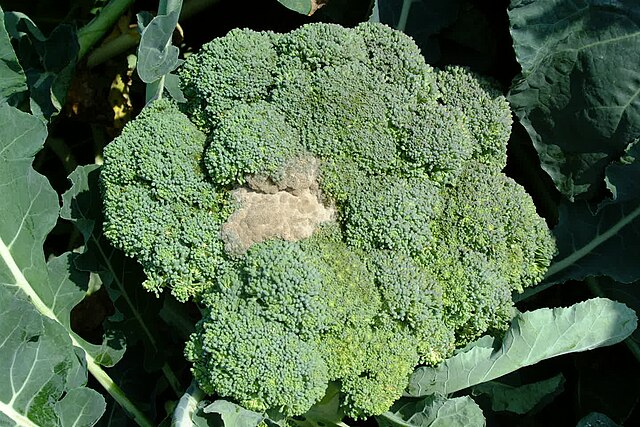
Botrytis Mold
Botrytis cinerea
Basic Details
Description
Taxonomy
Features
Translations
Basic Details
NameBotrytis Mold
DescriptionBotrytis grey mold causes fuzzy growth on flowers and fruit in damp weather. Our expert guide provides AI identification and effective treatment strategies.
TypeFungus
FamilySclerotiniaceae
GenusBotrytis
Taxonomy & Features
PhylumAscomycota
SubphylumPezizomycotina
ClassLeotiomycetes
OrderHelotiales
Features
- Commonly known as 'grey mold' or 'noble rot' (in winemaking). The name Botrytis comes from Greek 'botrys' meaning bunch of grapes
- Appears as a soft, brown rot followed by a characteristic fuzzy, grey or tan mold growth on flowers, leaves, and ripening fruits
- The fungus overwinters as tough, black resting bodies (sclerotia) in soil and plant debris. Enters plants through wounds or aging flower petals
- Causes blossom blight, fruit rot, and stem cankers. Can completely destroy flowers and turn fruit like strawberries and grapes into a mushy, moldy mess
- Produces millions of microscopic spores that are easily spread by wind, water, and handling. Infection can happen very rapidly
- The fuzzy mold growth is easily visible to the naked eye. Individual fungal filaments are microscopic, but the mass of spores is dusty
- Thrives in cool, damp, humid conditions with stagnant air. Most active in temperatures between 15-23°C (60-74°F). Requires surface moisture to infect
- Affects a huge range of plants including strawberries, grapes, tomatoes, peppers, roses, lilies, peonies, and many greenhouse crops
- Prevent by increasing air circulation, reducing humidity, avoiding overhead watering, and removing dying flower petals and old leaves promptly
- Remove and destroy all infected plant parts immediately. Apply neem oil or potassium bicarbonate-based organic sprays to prevent further spread
Names in Different Languages
Latin / ScientificBotrytis cinerea
English (Alternate)Grey mold, Noble rot, Blossom blight
Hindiबोट्रिटिस (Botrytis), धूसर फफूँद (Dhusar phaphund)
Tamilசாம்பல் நிற பூஞ்சை (Sambal nira poonjai)
Teluguబూడిద తెగులు (Budida tegulu)
Malayalamചാരനിറ പൂപ്പൽ (Cāraniṟa pūppal)
Kannadaಬೂದು ಶಿಲೀಂಧ್ರ (Būdu shilīndhra)
Sanskritधूसर-कवकः (Dhūsara-kavakaḥ)
Bengaliধূসর ছাতা (Dhusar chhata)
Frenchbotrytis, pourriture grise
Russianботритис (botritis), серая гниль (seraya gnil')
Spanishbotrytis, moho gris
GermanGrauschimmel, Graufäule