Anthracnose
Colletotrichum spp., Glomerella spp.
Basic Details
Description
Taxonomy
Features
Translations
Basic Details
NameAnthracnose
DescriptionAnthracnose causes dark, sunken lesions on vegetables and fruits, especially in wet weather. Identify symptoms and protect your garden crops effectively.
TypeFungus
FamilyGlomerellaceae
GenusColletotrichum
Taxonomy & Features
PhylumAscomycota
SubphylumPezizomycotina
ClassSordariomycetes
OrderGlomerellales
Features
- Named from Greek 'anthrax' meaning coal and 'nosos' meaning disease, referring to the dark, coal-like lesions it creates on plants
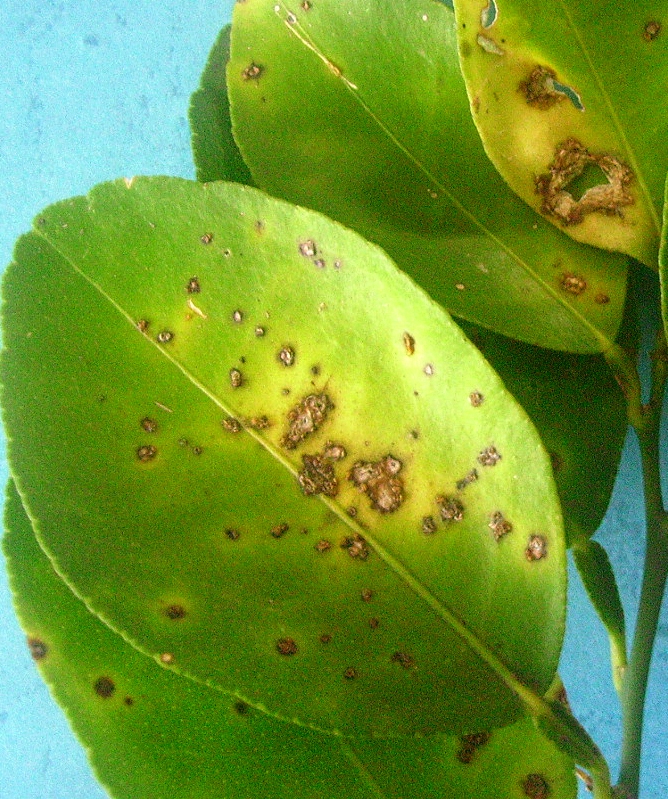
- Causes dark brown or black sunken lesions with defined edges on leaves, stems, and fruits. Spots may have concentric rings and can develop along leaf veins
- Fungus penetrates plant tissue and feeds on cells, causing tissue death. Attacks leaves, stems, fruits, and can form cankers on twigs and branches
- Creates dark, sunken spots that expand and merge. Leaves turn yellow with brown patches, then drop prematurely. Fruits develop dark rot spots. Severe cases cause complete defoliation and twig dieback
- Overwinters in infected plant debris and cankers. Produces spores in spring during wet weather. Spores spread by rain splash and wind. Multiple infection cycles per season
- Lesions range from small spots to large areas covering entire leaves or fruits. Individual spores are microscopic
- Symptoms appear as dark, water-soaked, sunken spots (cankers) on stems, leaves, or fruit. In wet weather, spots may produce pinkish, gelatinous spore masses
- Overwinters in infected plant debris and seeds. Spreads by water splash (rain or irrigation), insects, and handling plants when wet
- Causes leaf spotting, twig cankers, and 'bitter rot' or sunken spots on fruits like tomatoes, peppers, and mangoes. Can lead to major agricultural losses
- Fungus produces microscopic spores that spread rapidly in high humidity and temperatures between 20-30°C (68-86°F). Wind and rain are primary spreaders
- Lesions on fruit are typically 1-10 mm but can merge. Leaf spots are usually 5-8 mm with dark borders and lighter centers
- Thrives in warm, very humid environment with frequent rainfall. Poor air circulation and overhead watering significantly increase disease severity
- Affects beans, tomatoes, peppers, cucumbers, melons, squash, strawberries, mangoes, papayas, citrus, and various deciduous ornamental trees
- Prevent by using disease-free seeds, rotating crops every 3 years, ensuring good air circulation, and avoiding overhead watering. Remove all debris after harvest
- Remove and destroy infected plant parts immediately. Apply organic copper-based fungicides or neem oil early in the season or when weather is wet
Names in Different Languages
Latin / ScientificColletotrichum spp., Glomerella spp.
English (Alternate)Leaf spot, Fruit rot, Canker disease
Hindiएन्थ्रेक्نोज (Anthracnose), काला धब्बा रोग (Kala Dhabba Rog)
Tamilகரும்புள்ளி நோய் (Karumpuḷḷi nōy)
Teluguనల్ల మచ్చ వ్యాధి (Nalla machcha vyādhi)
Malayalamകറുത്ത പുള്ളി രോഗം (Kaṟutta puḷḷi rōgaṁ)
Kannadaಕಪ್ಪು ಕಲೆ ರೋಗ (Kappu kale rōga)
Sanskritकृष्ण-व्रण-रोगः (Kṛṣṇa-vraṇa-rogaḥ)
Bengaliঅ্যানথ্রাকনোজ (Anthracnose)
Frenchanthracnose
Russianантракноз (antraknoz)
Spanishantracnosis
GermanAnthraknose