
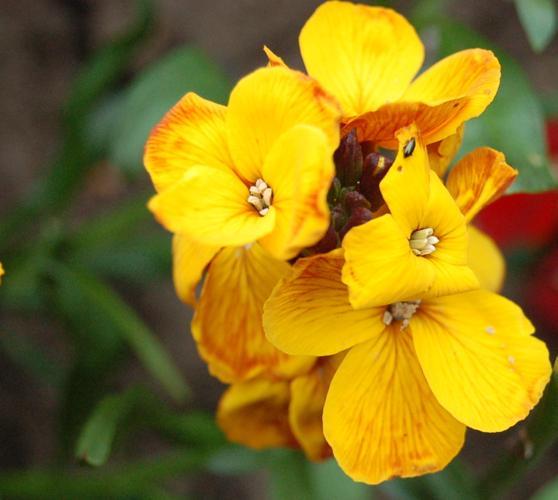
Wallflower
Erysimum cheiri
Basic Details
Floral Formula & Features
Ebracteate (no bracts), Actinomorphic (radially symmetrical), bisexual, 4 free sepals in cross formation, 4 free petals in cross formation, 6 stamens (4 long + 2 short, tetradynamous), 2 fused carpels with superior ovary typical of Brassicaceae
- Name 'Wallflower' from its habit of growing on brick and stone walls in small pockets of soil. 'Erysimum' from Greek 'eryomai' meaning to draw or help, referring to medicinal uses. 'Cheiri' from Arabic 'kheyri' meaning fragrant. Formerly called Cheiranthus cheiri
- Four-petaled cross-shaped flowers 0.75-1 inch (2 cm) across arranged in club-shaped clusters at stem tips. Colors include yellow, orange, red, pink, and purple. Intensely fragrant with scent described as honey mixed with Parma violet. Blooms April-May, sometimes into summer
- Biennial or short-lived perennial often grown as biennial. Seeds sown in summer bloom following spring. If sown early in spring, may bloom same year as annual. Woody-based subshrub with narrow, pointed bright green leaves 2-8 inches (5-20 cm) long
- Grows 6-24 inches (15-60 cm) tall, sometimes to 30 inches (75 cm). Lifespan of 2-5 years as perennial, typically grown as biennial. Propagated by seeds or cuttings. Stems become woody at base with age
- Native to southern Europe, particularly Greece and Mediterranean region. Wild forms have golden yellow flowers. Naturalized in parts of North America and other temperate regions. Thrives in rocky, well-drained locations including old walls and cliffs
- Requires full sun to light shade with excellent drainage. Tolerates poor, rocky, and limey (alkaline) soils. Prefers sharp drainage, especially for winter survival. In hot climates benefits from afternoon shade. Hardy zones 6-9 depending on cultivar and drainage
- Excellent nectar source for bees and other pollinators in early spring. Historically used in traditional medicine for heart conditions, though large doses toxic due to cardiotonic compounds. Edible flowers sometimes used as garnish, but caution advised
- Ideal for rock gardens, raised beds, wall plantings, and border fronts where drainage is excellent. Cut flowers for fragrant bouquets. Deadhead to prolong blooming. May self-seed. In cold climates, mulch lightly for winter protection. Short-lived but easily replaced from seed
Names in Different Languages
What is Floral Formula?
A floral formula is a symbolic representation of a flower's structure using letters, numbers, and special symbols. It provides a concise way to describe the arrangement and number of floral parts.
This formula describes the flower's symmetry, sepals, petals, stamens, and carpels in a standardized format.
Formula Sequence
- Bract: Br or Ebr
- Bracteole: Brl or Ebrl
- Symmetry: % (Radial) or ⊕ (Bilateral)
- Sex: ♀ (Female), ♂ (Male), or ⚥ (Bisexual)
- Calyx/Sepal: K<number> (Free or Fused)
- Corolla/Petal: C<number> (Free or Fused)
- Androecium: A<number> (Free or Fused)
- Gynaecium: G<number> (Superior or Inferior Ovary)
Symbol Meanings
- Numbers: Indicate quantity of parts
- Parentheses (): Parts are fused together
- Plus (+): Parts in different whorls
- Underline: Superior ovary position
- Overline: Inferior ovary position
- ∞: Numerous parts (too many to count)
Understanding floral formulas helps botanists quickly identify and classify flowers based on their structural characteristics.
Similar Flowers
Discover flowers that share botanical characteristics
Similar Characteristics
4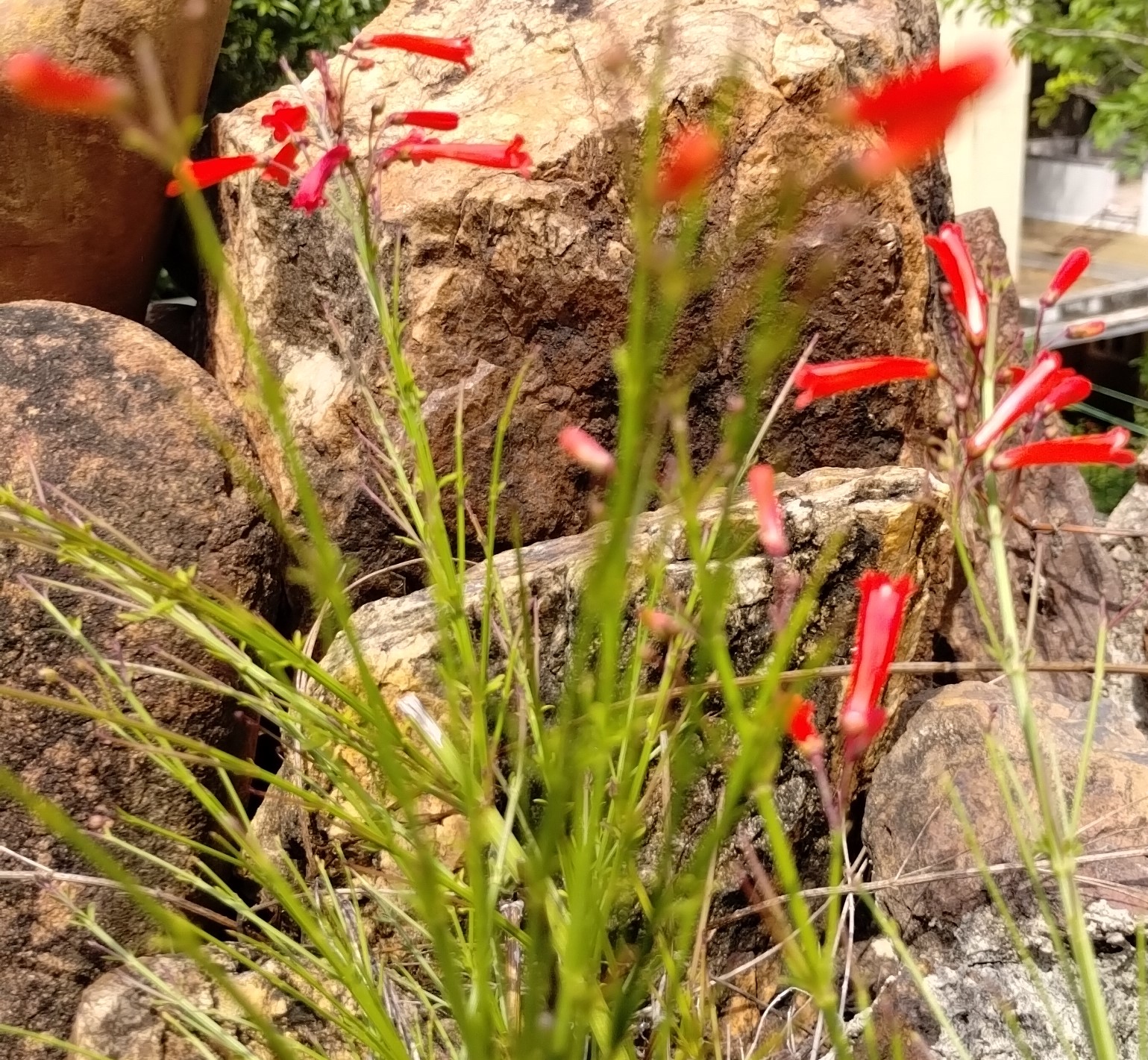
Russelia
Russelia equisetiformis
Spectacular tropical subshrub renowned for its graceful, cascading habit and pro...
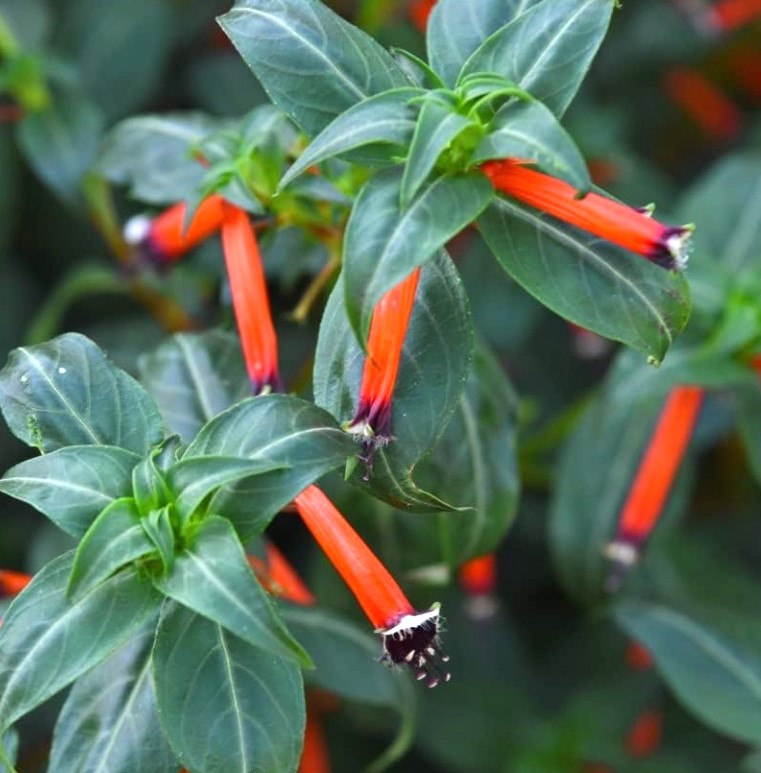
Cuphea Cigar
Cuphea ignea
Charming compact shrub featuring unique tubular flowers that resemble tiny lit c...
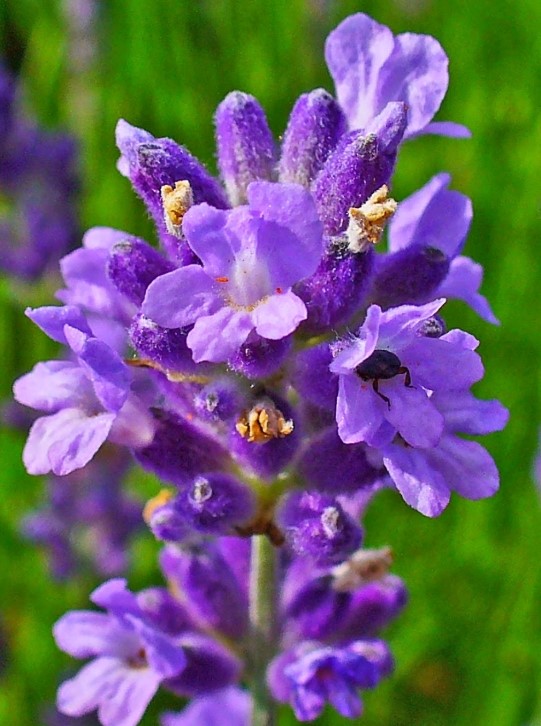
Lavender
Lavandula angustifolia
Iconic aromatic herb featuring slender spikes of small, intensely fragrant flowe...
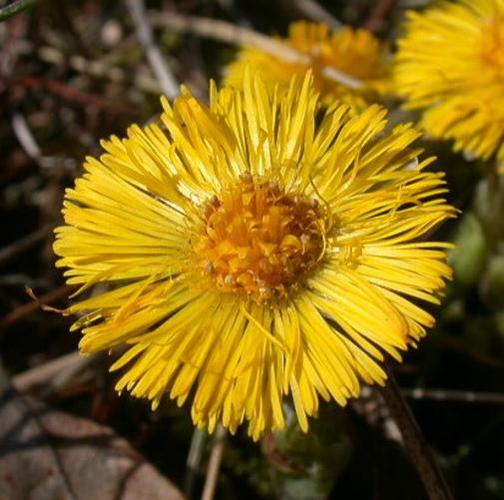
Coltsfoot
Tussilago farfara
Early spring wildflower featuring bright yellow, dandelion-like blooms that appe...