
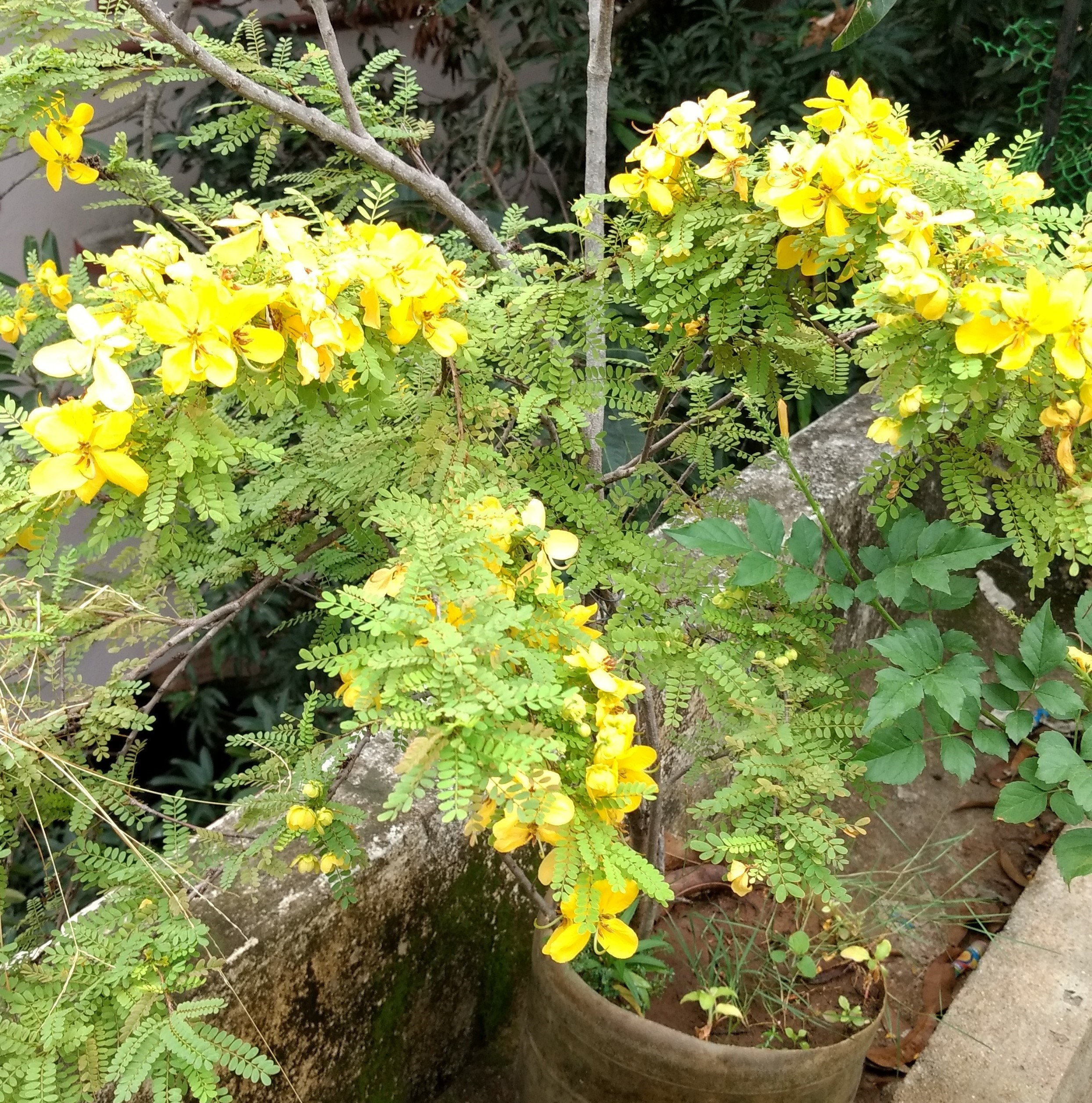
Tanner's Cassia
Senna Auriculata
Basic Details
Floral Formula & Features
Radially Symmetrical, Bisexual, 5 fused petals, 5 free sepals, 10 free stamens, 1 carpel with superior ovary
- Bright yellow, appearing in large clusters at the ends of branches. This type of flowering is also known as 'terminal raceme' type of inflorescence
- It is an evergreen Indian shrub and flowers, fruits, root are all used in traditional native medicine preparatin
- Tannin from its bark is used for processing leather
- It grows to a height of 5-6 feet and with lifespan of few years
- Native to India and Sri Lanka
- Requires full direct sunlight, susceptible to over watering. So well drained soil is must with sufficient watering
Names in Different Languages
What is Floral Formula?
A floral formula is a symbolic representation of a flower's structure using letters, numbers, and special symbols. It provides a concise way to describe the arrangement and number of floral parts.
This formula describes the flower's symmetry, sepals, petals, stamens, and carpels in a standardized format.
Formula Sequence
- Bract: Br or Ebr
- Bracteole: Brl or Ebrl
- Symmetry: % (Radial) or ⊕ (Bilateral)
- Sex: ♀ (Female), ♂ (Male), or ⚥ (Bisexual)
- Calyx/Sepal: K<number> (Free or Fused)
- Corolla/Petal: C<number> (Free or Fused)
- Androecium: A<number> (Free or Fused)
- Gynaecium: G<number> (Superior or Inferior Ovary)
Symbol Meanings
- Numbers: Indicate quantity of parts
- Parentheses (): Parts are fused together
- Plus (+): Parts in different whorls
- Underline: Superior ovary position
- Overline: Inferior ovary position
- ∞: Numerous parts (too many to count)
Understanding floral formulas helps botanists quickly identify and classify flowers based on their structural characteristics.
Similar Flowers
Discover flowers that share botanical characteristics
Same Family
4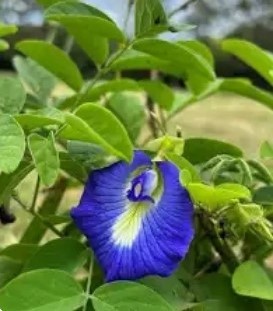
Butterfly pea
Clitoria ternatea
Striking tropical vine featuring vivid sky-blue pea-shaped flowers with distinct...
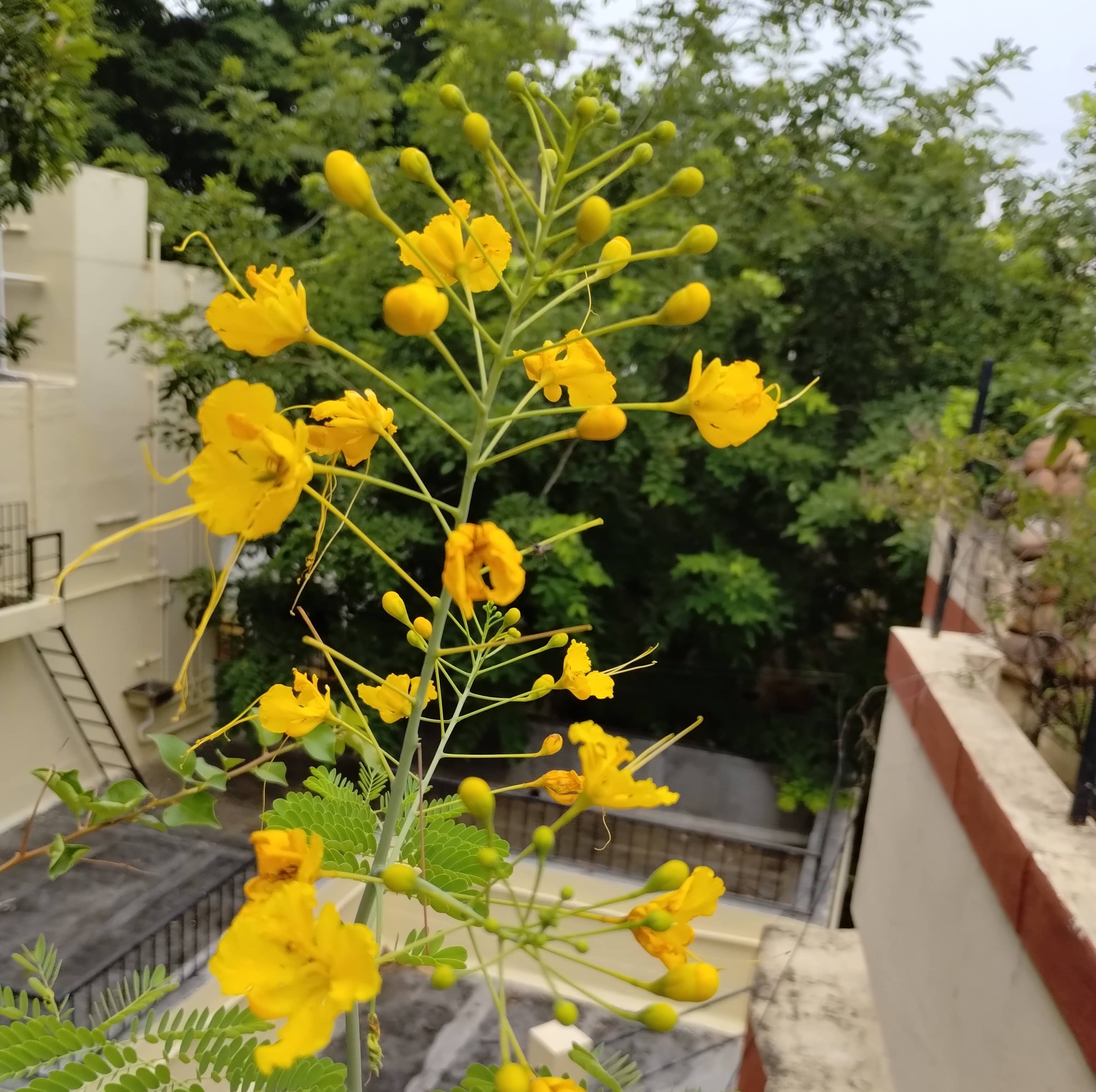
Caesalpinia
Caesalpinia pulcherrima
Spectacular tropical shrub featuring brilliant flame-colored flower clusters wit...
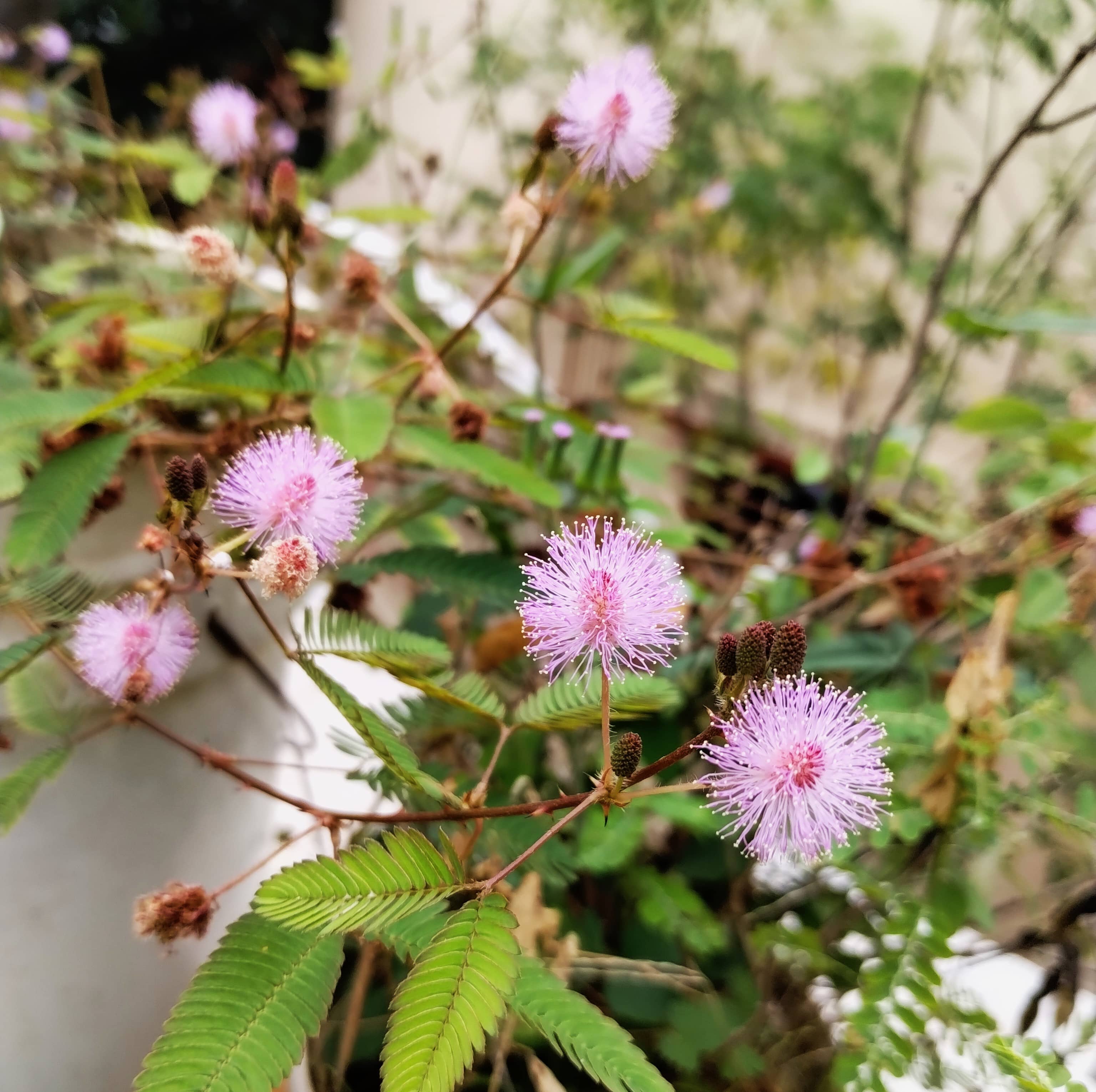
Touch Me Not
Mimosa pudica
Fascinating plant famous for its rapid leaf-folding response when touched, shake...
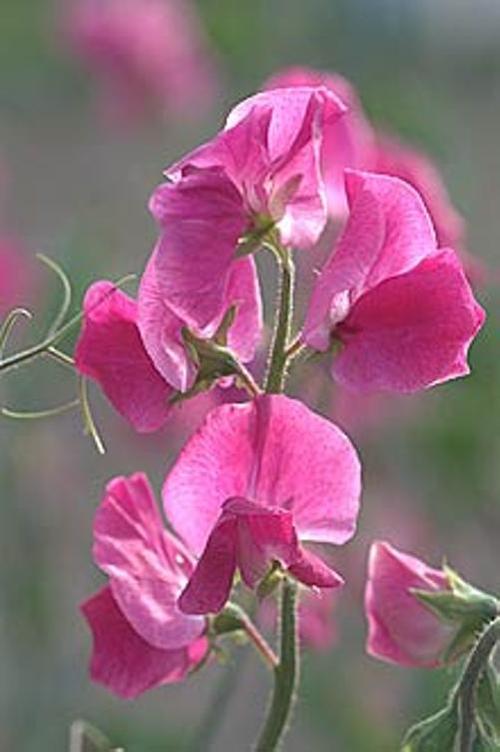
Sweet Pea
Lathyrus odoratus
Beloved fragrant annual vine with butterfly-shaped flowers in rainbow of pastel ...