
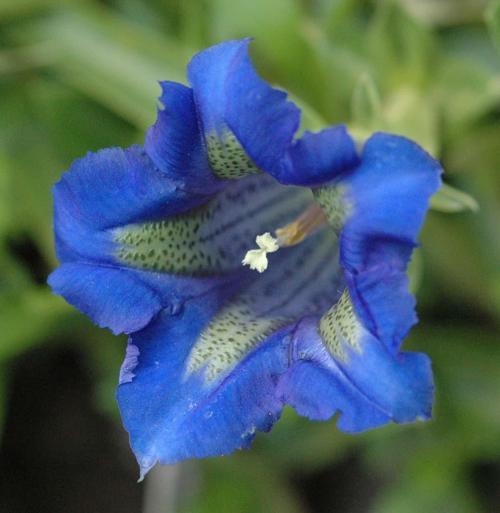
Stemless Gentian
Gentiana acaulis
Basic Details
Floral Formula & Features
Ebracteate, radially symmetrical (actinomorphic), bisexual, 5 fused sepals forming tube, 5 fused petals forming bell-shaped corolla with pleated lobes, 5 stamens attached to corolla tube, 2 fused carpels with superior ovary. Typical of Gentianaceae family
- Name 'Gentian' from King Gentius of Illyria who discovered medicinal properties. 'Acaulis' means stemless in Latin. About 400 Gentiana species. G. acaulis complex includes several similar species. Called 'Enzian' in German - national symbol of Bavaria. Roots contain bitter compounds used in digestive tonics, liqueurs (Enzian schnapps)
- Flowers 2-3 inches (5-7 cm) long, 1.5-2 inches across, trumpet or bell-shaped. Intense deep blue (gentian blue) with green spots in throat. 5 petals fused into tube. Solitary flowers sit directly on leaf rosette (almost no stem). Blooms May-July (spring-early summer). Each plant produces 1-3 flowers. Opens in sun, closes in shade
- Herbaceous perennial forming low rosette. Leaves 1-2 inches long, oval to lance-shaped, dark green, glossy, leathery. Rosette evergreen in mild climates. Flowers emerge from center of rosette on very short stems (1-2 inches). Compact, mat-forming habit. Deep taproot
- Grows 2-4 inches (5-10 cm) tall in bloom. Spread 6-12 inches. Lifespan 20-50+ years with proper conditions. Propagated from seed (slow, takes 2-3 years to bloom) or division (difficult - resents disturbance). Seed needs cold stratification. Very slow-growing
- Native to European Alps, Pyrenees, Carpathians, Balkans. Grows in alpine meadows, rocky slopes at 4,000-9,000 feet (1,200-2,700 m) elevation. Prefers limestone areas (calcicole). Found in short turf, scree. Now cultivated in rock gardens worldwide. Thrives in cool mountain climates
- Requires full sun to partial shade. Needs excellent drainage - hates wet feet. Prefers alkaline, gritty, well-drained soil (add limestone grit). Cool temperatures essential - struggles in heat. Regular moisture during growth, drier in winter. Hardy zones 3-7. Challenging to grow outside mountains - needs cool summers
- Excellent for rock gardens, alpine gardens, troughs, scree gardens. Prized by alpine plant collectors. Roots used in herbal medicine - digestive bitter, appetite stimulant. Used in liqueurs (Enzian, Angostura bitters). Attracts bees and butterflies. Deer resistant. Symbolizes determination, intrinsic worth
- Plant in spring in gritty, alkaline soil. Add limestone chips. Ensure perfect drainage. Water regularly during growth, reduce in winter. Mulch with grit (not organic mulch). Avoid disturbing roots. Feed lightly in spring. Protect from slugs. Very challenging - not for beginners. Needs patience and right conditions. Resents heat and humidity
Names in Different Languages
What is Floral Formula?
A floral formula is a symbolic representation of a flower's structure using letters, numbers, and special symbols. It provides a concise way to describe the arrangement and number of floral parts.
This formula describes the flower's symmetry, sepals, petals, stamens, and carpels in a standardized format.
Formula Sequence
- Bract: Br or Ebr
- Bracteole: Brl or Ebrl
- Symmetry: % (Radial) or ⊕ (Bilateral)
- Sex: ♀ (Female), ♂ (Male), or ⚥ (Bisexual)
- Calyx/Sepal: K<number> (Free or Fused)
- Corolla/Petal: C<number> (Free or Fused)
- Androecium: A<number> (Free or Fused)
- Gynaecium: G<number> (Superior or Inferior Ovary)
Symbol Meanings
- Numbers: Indicate quantity of parts
- Parentheses (): Parts are fused together
- Plus (+): Parts in different whorls
- Underline: Superior ovary position
- Overline: Inferior ovary position
- ∞: Numerous parts (too many to count)
Understanding floral formulas helps botanists quickly identify and classify flowers based on their structural characteristics.
Similar Flowers
Discover flowers that share botanical characteristics
Similar Characteristics
4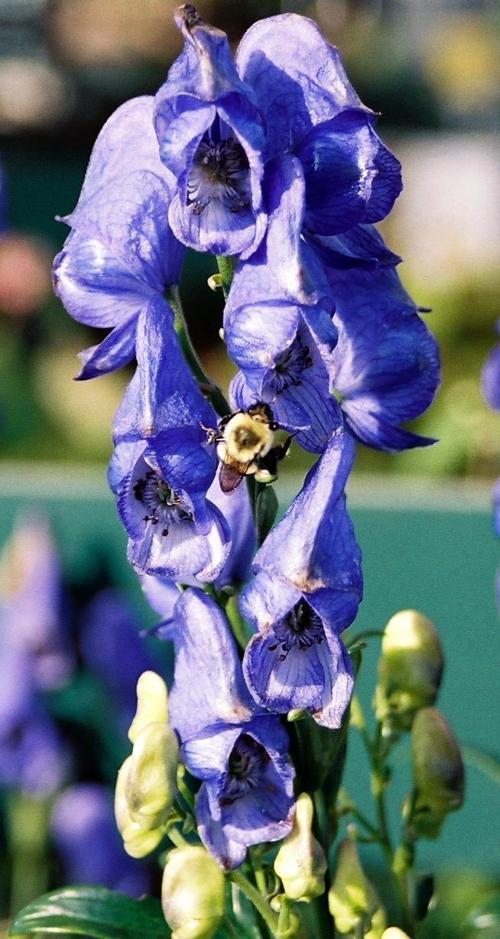
Monkshood
Aconitum napellus
Strikingly beautiful but DEADLY POISONOUS perennial with distinctive helmet or h...
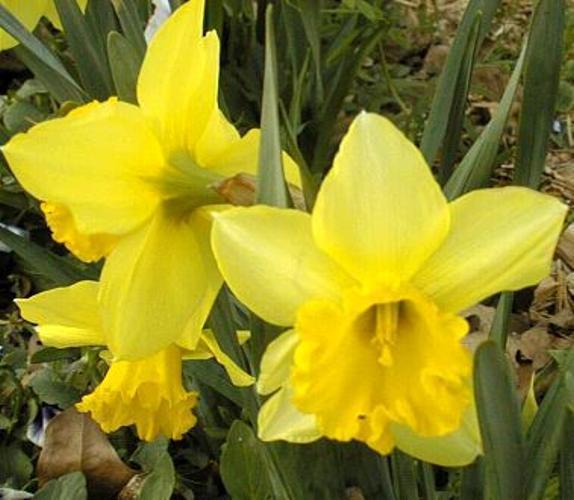
Daffodil
Narcissus pseudonarcissus
Beloved spring bulb featuring cheerful blooms with six petal-like tepals surroun...
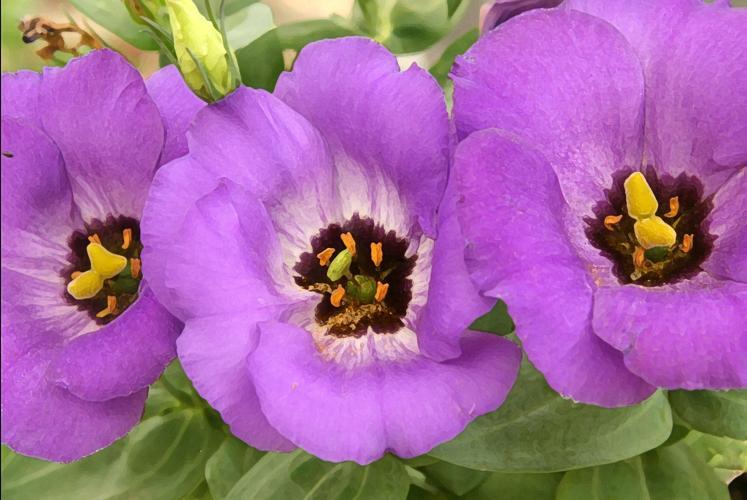
Bolero Deepblue
Eustoma , Eustoma russellianum, Prairie Gentian, Lisianthus, Bluebell
Elegant cut flower featuring exquisite rose-like blooms in deep purple-blue shad...
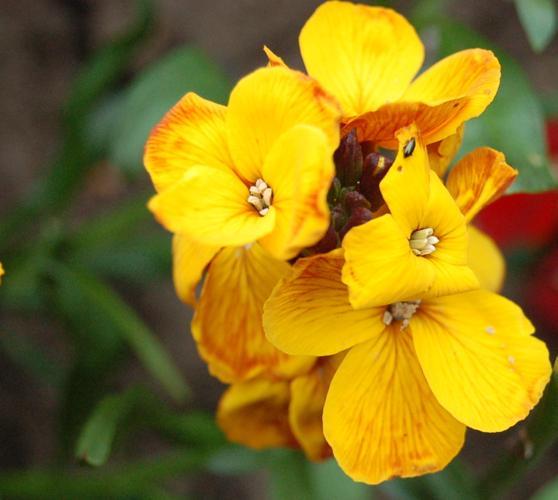
Wallflower
Erysimum cheiri
Charming old-fashioned biennial or short-lived perennial treasured for its inten...