
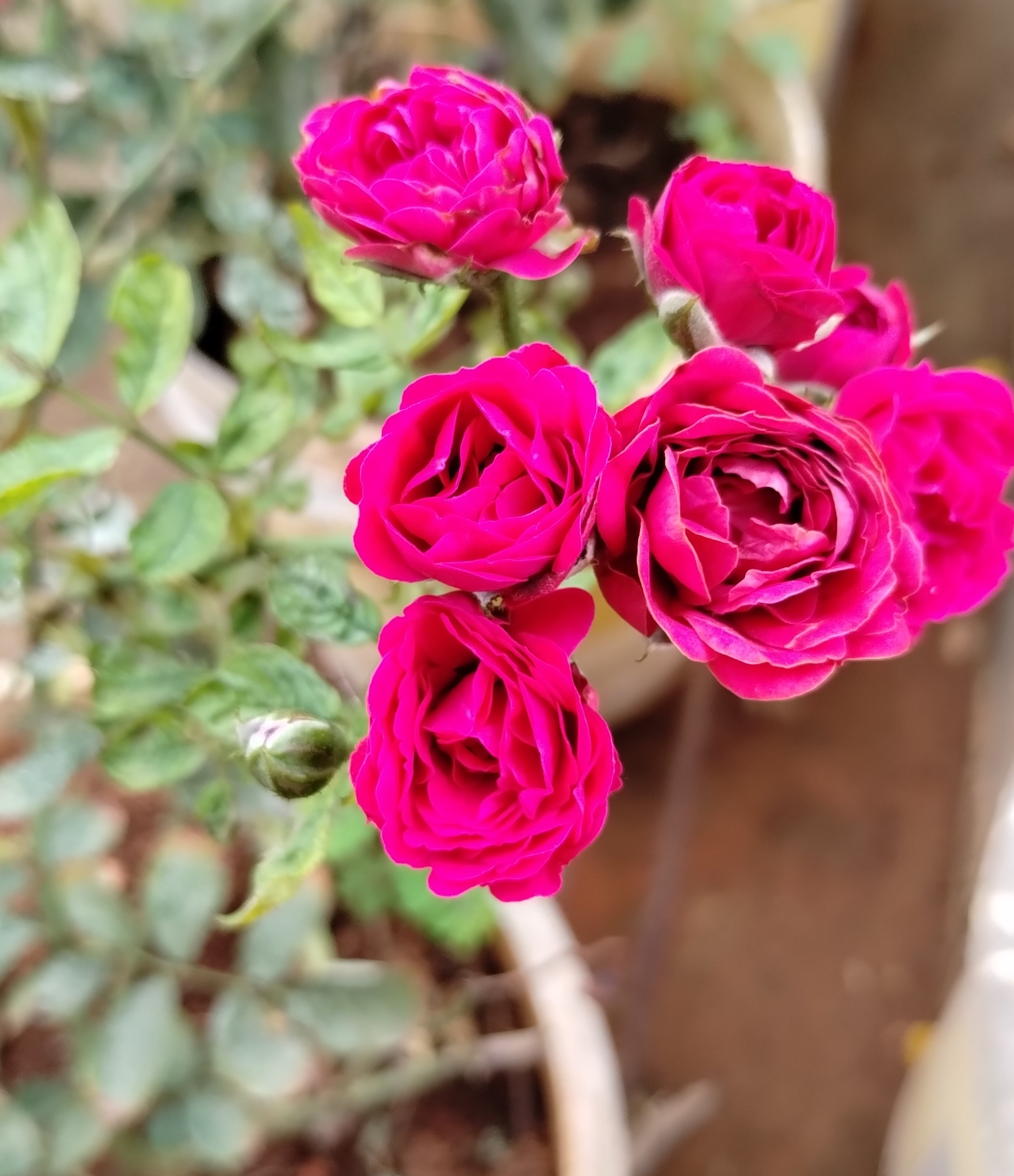
Rose
Rosa
Basic Details
Floral Formula & Features
Ebracteate, radially symmetrical (actinomorphic), bisexual, 5 free sepals (sometimes with leafy appendages), 5 free petals (or many in double forms), numerous free stamens arranged in whorls, 1 to many free carpels (apocarpous) enclosed in hypanthium (cup-like structure) with superior ovaries. Typical of Rosaceae family
- Name 'Rosa' from Latin for rose. About 300 wild rose species, over 30,000 cultivars. Main types: Hybrid Tea (classic long-stemmed), Floribunda (cluster blooms), Grandiflora (tall clusters), Climbers (vining), Shrub (hardy, low-maintenance), Miniature (small), Old Garden (pre-1867). Cultivated since ancient times in China, Persia, Rome
- Flowers 1-6 inches (2.5-15 cm) across depending on type. 5 petals (wild roses) to 100+ petals (double forms). Colors: red, pink, white, yellow, orange, purple, lavender, peach, bicolors, striped - all except true blue. Fragrance ranges from none to intensely sweet. Blooms spring-fall, some repeat bloomers
- Woody perennial shrub, climber, or ground cover. Stems covered in thorns (prickles). Compound leaves with 5-9 leaflets, serrated edges, dark green. Growth habits: upright bush (3-6 feet), climbing (8-20 feet), miniature (6-24 inches), ground cover (spreading). Deciduous in cold climates
- Bush roses grow 2-8 feet (60-240 cm) tall. Climbers reach 8-20 feet (2.5-6 m). Miniatures 6-24 inches (15-60 cm). Lifespan 20-50+ years with proper care. Propagated from cuttings, grafting (most common), or budding. Grafted roses have rootstock + desired variety
- Native to Northern Hemisphere - Asia (China, Middle East), Europe, North America. Wild roses found in temperate regions worldwide. Modern roses developed through centuries of breeding, primarily in Europe and China. Now cultivated globally in all temperate and subtropical zones
- Requires full sun (6-8 hours daily) for best blooming. Needs rich, well-drained soil with organic matter. Regular watering (1-2 inches weekly). Fertilize monthly during growing season. Hardy zones 3-11 depending on variety. Prone to pests (aphids, Japanese beetles) and diseases (black spot, powdery mildew, rust)
- World's most popular cut flower. Used in perfumes, cosmetics, rose oil, rose water. Edible petals in teas, jams, desserts. Rosehips (fruit) rich in vitamin C. Attracts bees and butterflies. Deer resistant (thorns). Symbolizes love (red), friendship (yellow), purity (white), gratitude (pink)
- Prune in early spring - remove dead wood, shape plant, encourage blooms. Deadhead spent flowers for continuous blooming. Mulch to retain moisture and suppress weeds. Spray for diseases preventively. Winter protection in cold zones (mound soil around base). Feed regularly - roses are heavy feeders. Choose disease-resistant varieties for easier care
Names in Different Languages
What is Floral Formula?
A floral formula is a symbolic representation of a flower's structure using letters, numbers, and special symbols. It provides a concise way to describe the arrangement and number of floral parts.
This formula describes the flower's symmetry, sepals, petals, stamens, and carpels in a standardized format.
Formula Sequence
- Bract: Br or Ebr
- Bracteole: Brl or Ebrl
- Symmetry: % (Radial) or ⊕ (Bilateral)
- Sex: ♀ (Female), ♂ (Male), or ⚥ (Bisexual)
- Calyx/Sepal: K<number> (Free or Fused)
- Corolla/Petal: C<number> (Free or Fused)
- Androecium: A<number> (Free or Fused)
- Gynaecium: G<number> (Superior or Inferior Ovary)
Symbol Meanings
- Numbers: Indicate quantity of parts
- Parentheses (): Parts are fused together
- Plus (+): Parts in different whorls
- Underline: Superior ovary position
- Overline: Inferior ovary position
- ∞: Numerous parts (too many to count)
Understanding floral formulas helps botanists quickly identify and classify flowers based on their structural characteristics.
Similar Flowers
Discover flowers that share botanical characteristics
Similar Characteristics
4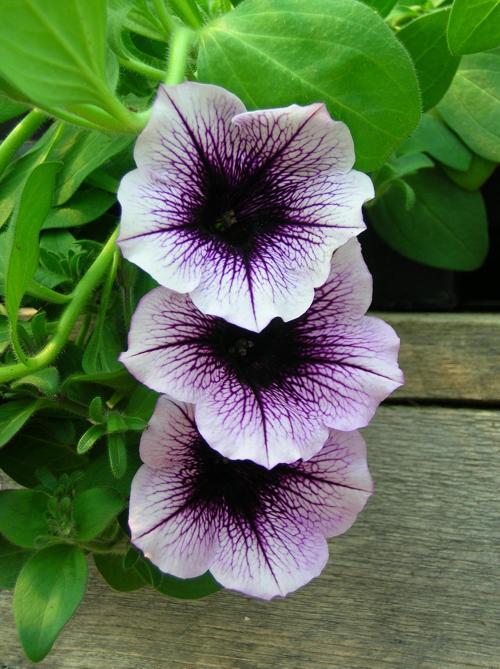
Petunia
Petunia
Popular annual with trumpet-shaped flowers in every color imaginable - purple, p...
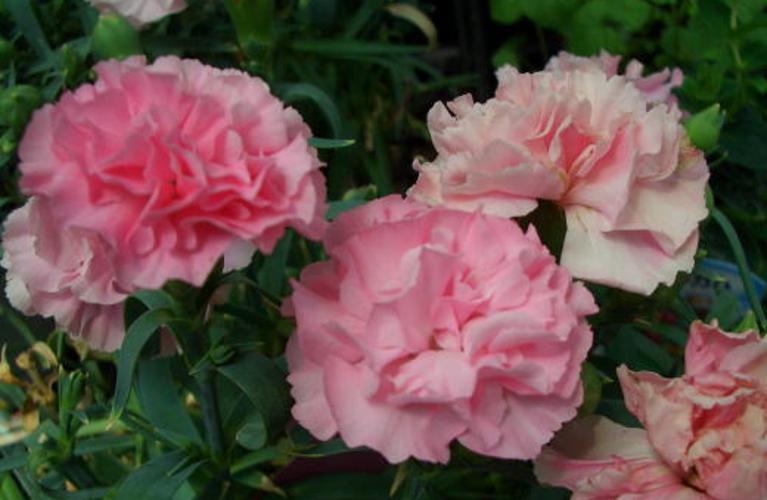
Carnation flower
Dianthus caryophyllus
Classic florist flower featuring densely ruffled, fringed petals with distinctiv...
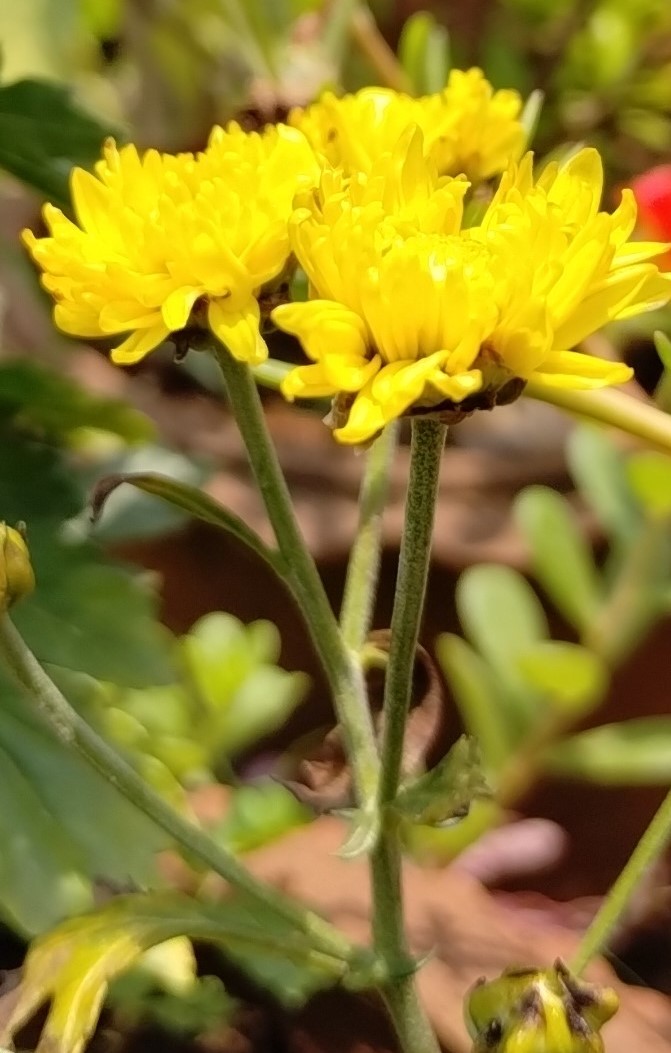
Chrysanthemum
Chrysanthemum
Beloved fall-blooming perennial celebrated for its profuse, colorful flowers tha...
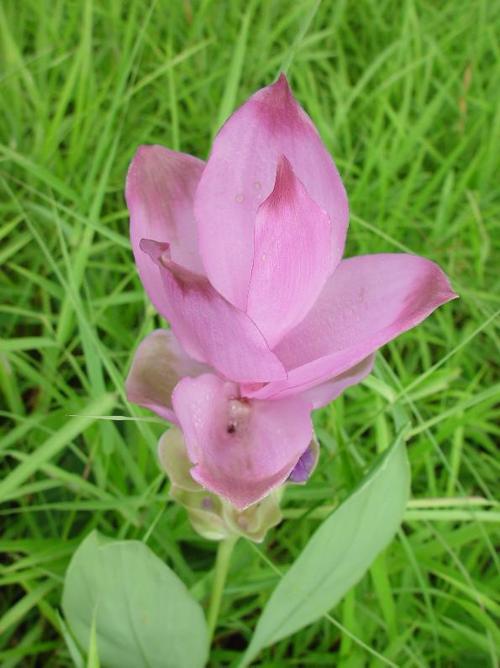
Siam Tulip (NOT a True Tulip)
Curcuma alismatifolia
Beautiful tropical plant that looks like tulip but is actually related to turmer...