
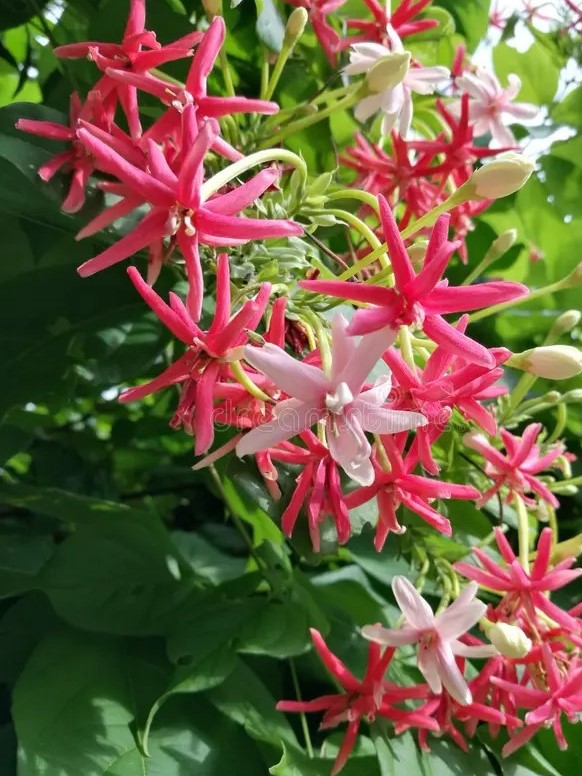
Rangoon creeper
Combretum indicum
Basic Details
Floral Formula & Features
Actinomorphic (radially symmetrical), bisexual, 5 fused sepals, 5 fused petals forming tube, 10 stamens in 2 whorls of 5, 1 carpel with inferior ovary typical of Combretaceae
- Name 'Rangoon Creeper' from Rangoon (Yangon), Myanmar where it was discovered. 'Quisqualis' from Latin 'quis qualis' (what kind), expressing botanist's uncertainty about classification. 'Madhumalti' from Hindi 'madhu' (honey/sweet) and 'malti' (jasmine).
- Flowers tubular, 1-2 inches (2.5-5 cm) long with 5 petals. Remarkable color change: open white, turn pink, mature to deep red. All 3 colors present simultaneously. Arranged in drooping clusters. Sweet, jasmine-like fragrance intensifies at evening.
- Woody climbing liana with twining stems. Leaves lance-shaped to elliptical, 2-7 inches (5-18 cm) long, green to yellow-green, opposite arrangement. Young plants shrub-like before developing climbing habit. Deciduous in cooler climates.
- Size: climbing 15-25 feet (4.5-7.5 m), can reach 40 feet (12 m) with support. Lifespan 10+ years as perennial. Propagated by seeds, cuttings, layering. Fast-growing, vigorous climber. Blooms spring to fall (year-round in tropics).
- Native to tropical Asia: Indian subcontinent, Malaysia, Philippines, Myanmar. Widely cultivated in tropical and subtropical regions globally. Thrives in warm, humid climates, zones 9-11. Naturalized in many tropical areas.
- Requires full sun to partial shade (6+ hours sun for best flowering). Prefers rich, well-drained, moist soil. Regular watering beneficial. Moderate drought tolerance once established. Not frost-tolerant. Needs sturdy support structure.
- Attracts hummingbirds, butterflies, bees. Provides abundant nectar. Used on arbors, pergolas, trellises, fences, walls. Ornamental value from color-changing blooms. Deer resistant. Medicinal uses in traditional medicine (seeds, roots). Fragrant cut flowers.
- Fertilize monthly during growing season with balanced fertilizer. Water regularly, especially during flowering. Prune after flowering to control size and shape. Provide strong support for heavy vines. Watch for aphids, scale. Relatively low-maintenance.
Names in Different Languages
What is Floral Formula?
A floral formula is a symbolic representation of a flower's structure using letters, numbers, and special symbols. It provides a concise way to describe the arrangement and number of floral parts.
This formula describes the flower's symmetry, sepals, petals, stamens, and carpels in a standardized format.
Formula Sequence
- Bract: Br or Ebr
- Bracteole: Brl or Ebrl
- Symmetry: % (Radial) or ⊕ (Bilateral)
- Sex: ♀ (Female), ♂ (Male), or ⚥ (Bisexual)
- Calyx/Sepal: K<number> (Free or Fused)
- Corolla/Petal: C<number> (Free or Fused)
- Androecium: A<number> (Free or Fused)
- Gynaecium: G<number> (Superior or Inferior Ovary)
Symbol Meanings
- Numbers: Indicate quantity of parts
- Parentheses (): Parts are fused together
- Plus (+): Parts in different whorls
- Underline: Superior ovary position
- Overline: Inferior ovary position
- ∞: Numerous parts (too many to count)
Understanding floral formulas helps botanists quickly identify and classify flowers based on their structural characteristics.
Similar Flowers
Discover flowers that share botanical characteristics
Similar Characteristics
4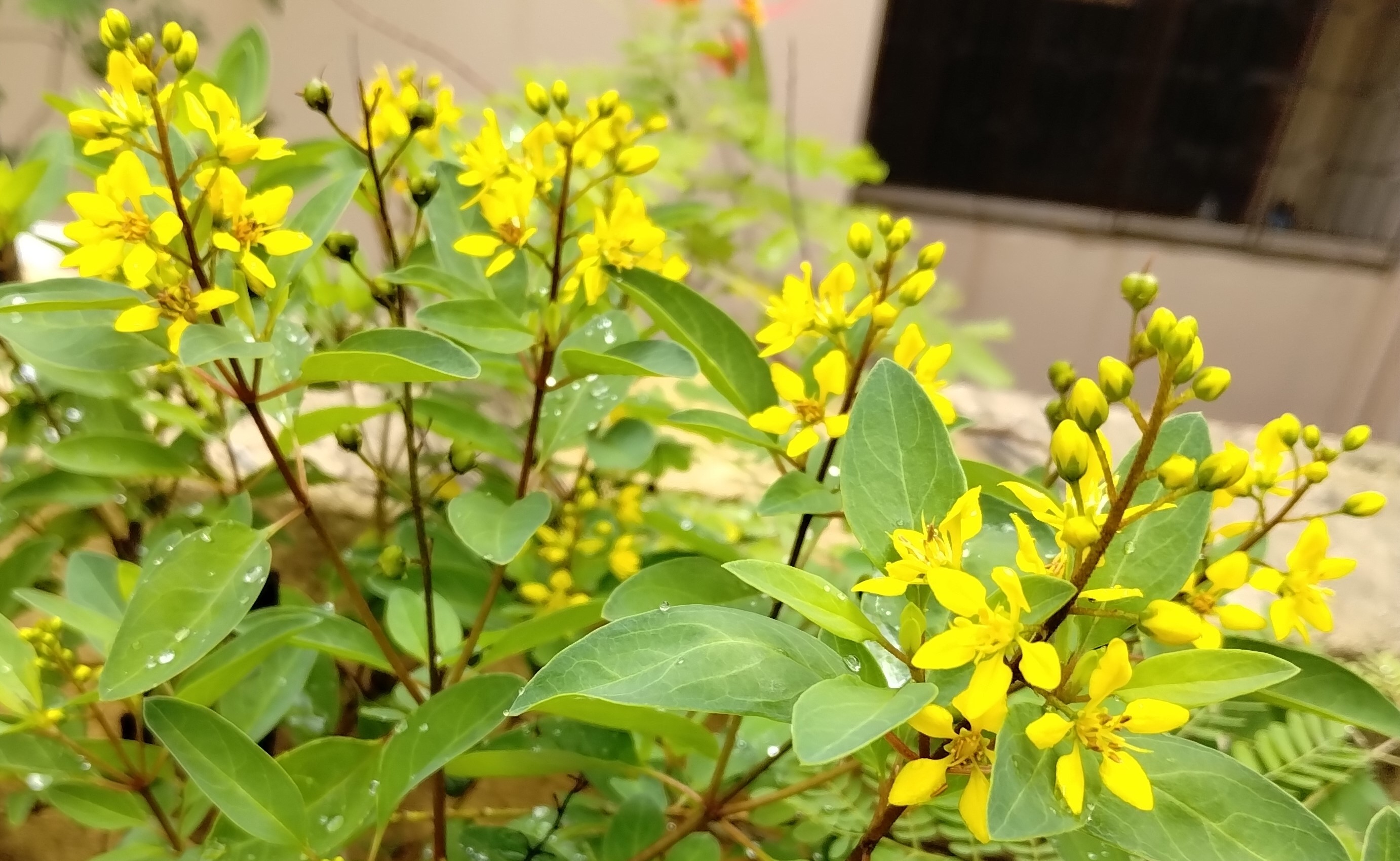
Golden Thryallis
Galphimia gracilis
Delightful evergreen shrub featuring abundant sprays of small, bright golden-yel...
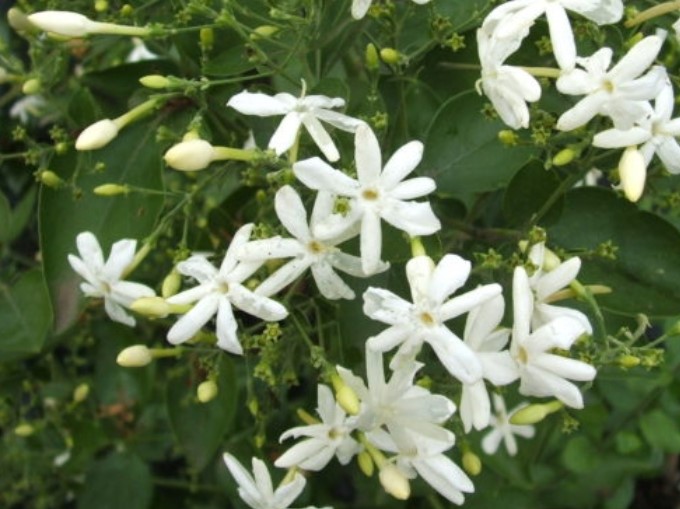
Jasminum Auriculatum
Jasminum
Fragrant evergreen climbing shrub native to Indian subcontinent, beloved for int...
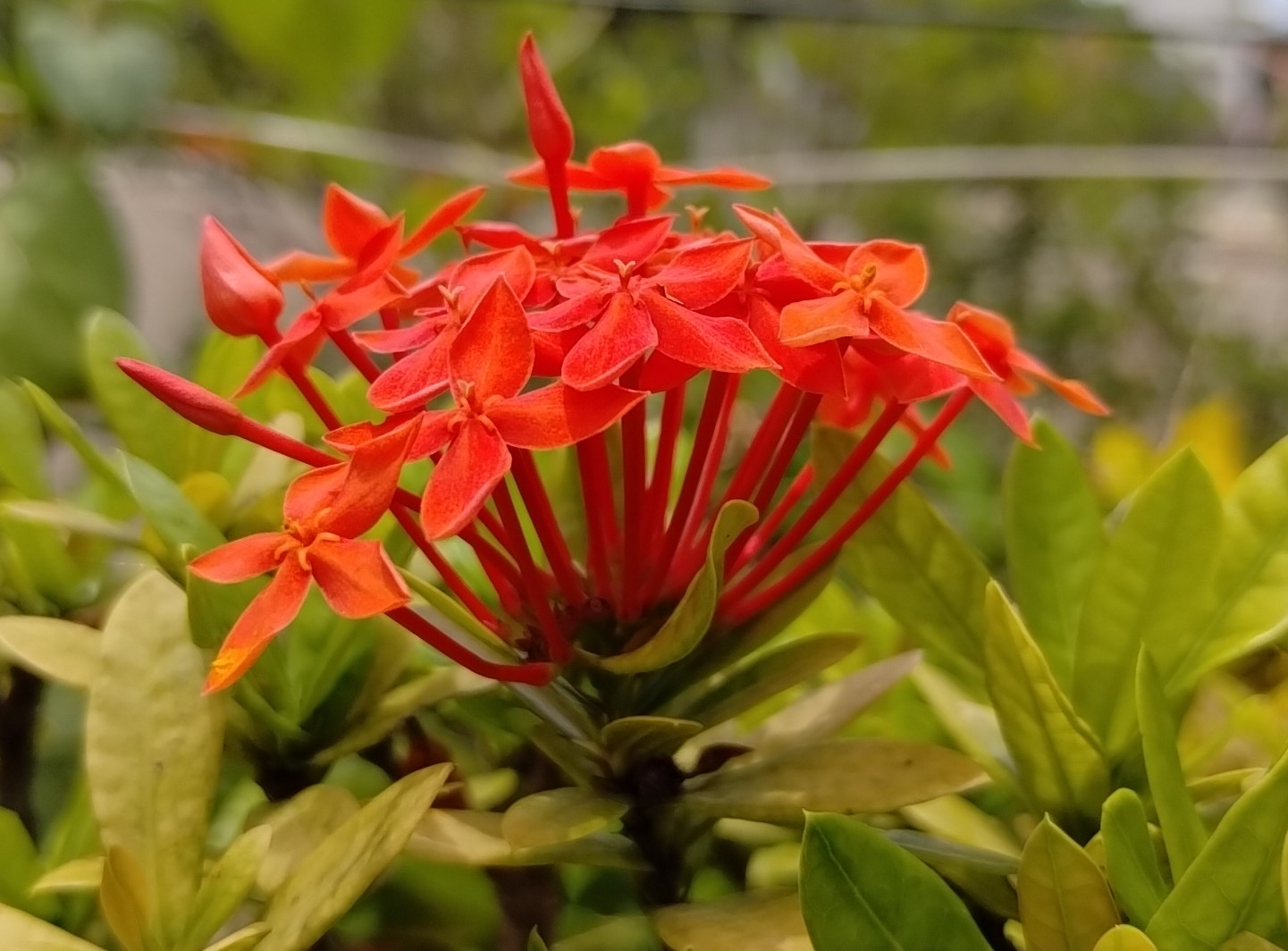
Ixora
Ixora coccinea
Vibrant tropical shrub featuring dense, rounded clusters of small, tubular flowe...
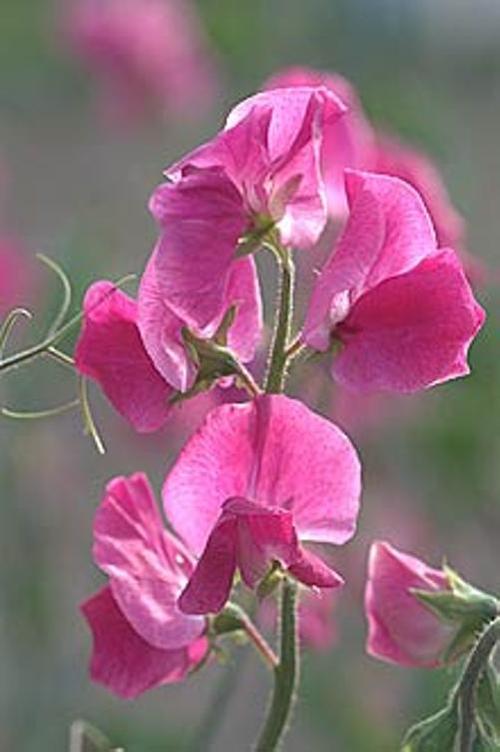
Sweet Pea
Lathyrus odoratus
Beloved fragrant annual vine with butterfly-shaped flowers in rainbow of pastel ...