
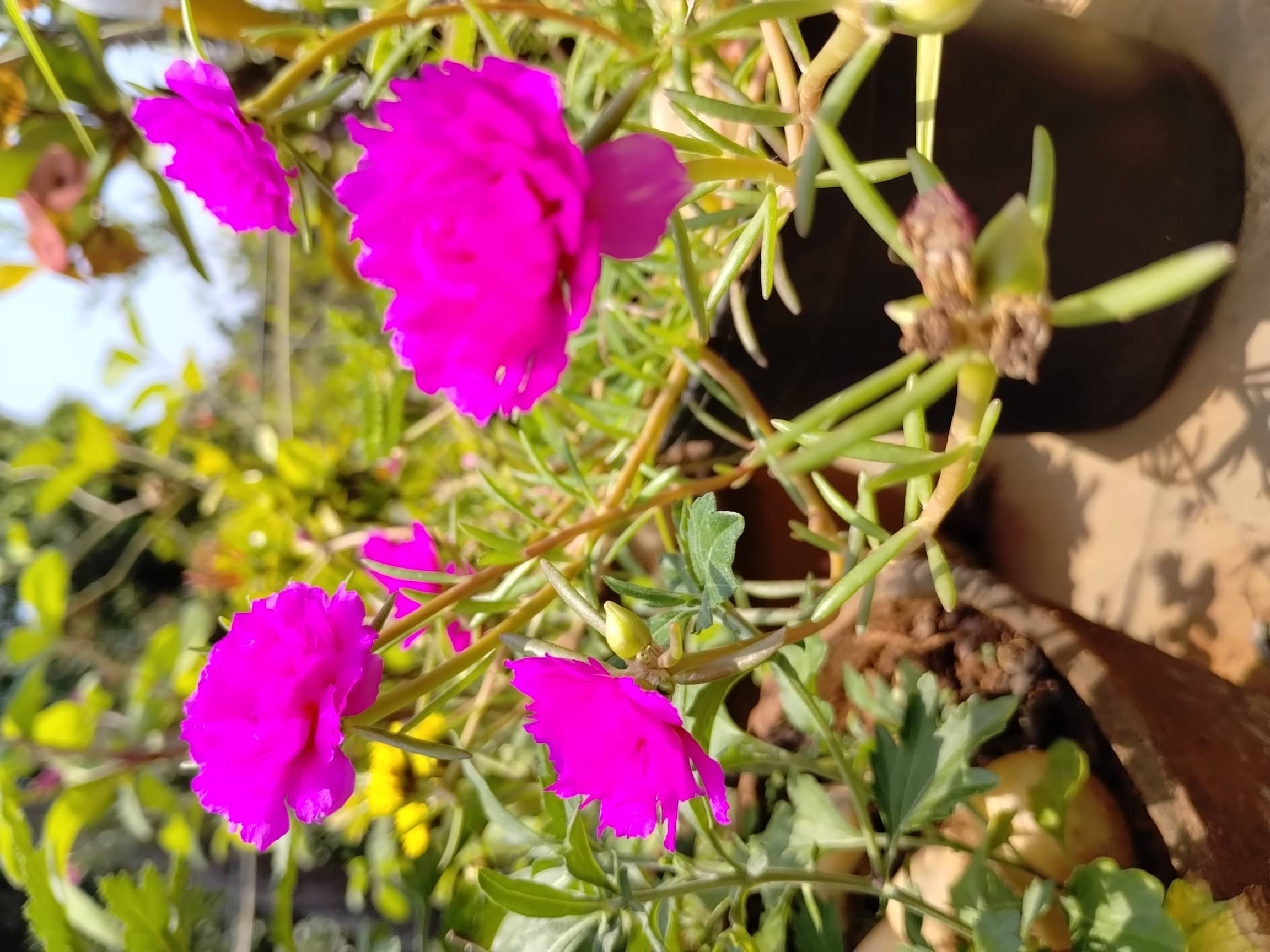
Portulaca
Portulaca
Basic Details
Floral Formula & Features
Actinomorphic (radially symmetrical), bisexual, 2 free sepals, 5 free petals, numerous stamens, 3-5 fused carpels with superior ovary typical of Portulacaceae
- Name 'Portulaca' from Latin 'portula' (little door), referring to seed capsule opening. 'Moss Rose' describes moss-like appearance and rose-like flowers. 'Eleven o'clock' because flowers open in morning sun and close by afternoon.
- Flowers rose-like, 1-1.5 inches (2.5-4 cm) across, single or double with ruffled petals. Colors: pink, red, yellow, orange, white, purple, magenta, often striped or spotted. Blooms late spring to frost. Modern hybrids stay open longer than traditional varieties.
- Semi-succulent with fleshy, water-storing stems and leaves. Leaves cylindrical, needle-like or paddle-shaped, bright green, arranged in clusters. Stems reddish, multi-branched, trailing or creeping. Forms dense mat.
- Size: 3-9 inches (8-23 cm) tall, spreads 6-24 inches (15-60 cm) wide. Annual in most climates, perennial in zones 10-12. Lifespan one season. Propagated by seeds, cuttings. Self-seeds readily. Fast-growing.
- Native to South America (Argentina, southern Brazil, Uruguay). Naturalized worldwide in tropical and temperate regions. Thrives in hot, dry climates. Grows wild in disturbed areas, roadsides.
- Requires full sun (6-8 hours) for best flowering. Prefers poor to average, well-drained, sandy or rocky soil. Excellent drought tolerance once established. Struggles in heavy clay or wet soil. Heat-tolerant to 100°F+ (38°C+).
- Attracts bees, butterflies. Provides nectar. Used in rock gardens, borders, edging, containers, hanging baskets, between pavers. Deer and rabbit resistant. Low allergen. Edible leaves (related to purslane). No deadheading needed.
- Minimal fertilizer needed (thrives in poor soil). Water sparingly, allow soil to dry between waterings. Avoid overwatering (causes root rot). No pruning required. Watch for aphids in humid conditions. Extremely low-maintenance.
Names in Different Languages
What is Floral Formula?
A floral formula is a symbolic representation of a flower's structure using letters, numbers, and special symbols. It provides a concise way to describe the arrangement and number of floral parts.
This formula describes the flower's symmetry, sepals, petals, stamens, and carpels in a standardized format.
Formula Sequence
- Bract: Br or Ebr
- Bracteole: Brl or Ebrl
- Symmetry: % (Radial) or ⊕ (Bilateral)
- Sex: ♀ (Female), ♂ (Male), or ⚥ (Bisexual)
- Calyx/Sepal: K<number> (Free or Fused)
- Corolla/Petal: C<number> (Free or Fused)
- Androecium: A<number> (Free or Fused)
- Gynaecium: G<number> (Superior or Inferior Ovary)
Symbol Meanings
- Numbers: Indicate quantity of parts
- Parentheses (): Parts are fused together
- Plus (+): Parts in different whorls
- Underline: Superior ovary position
- Overline: Inferior ovary position
- ∞: Numerous parts (too many to count)
Understanding floral formulas helps botanists quickly identify and classify flowers based on their structural characteristics.
Similar Flowers
Discover flowers that share botanical characteristics
Similar Characteristics
4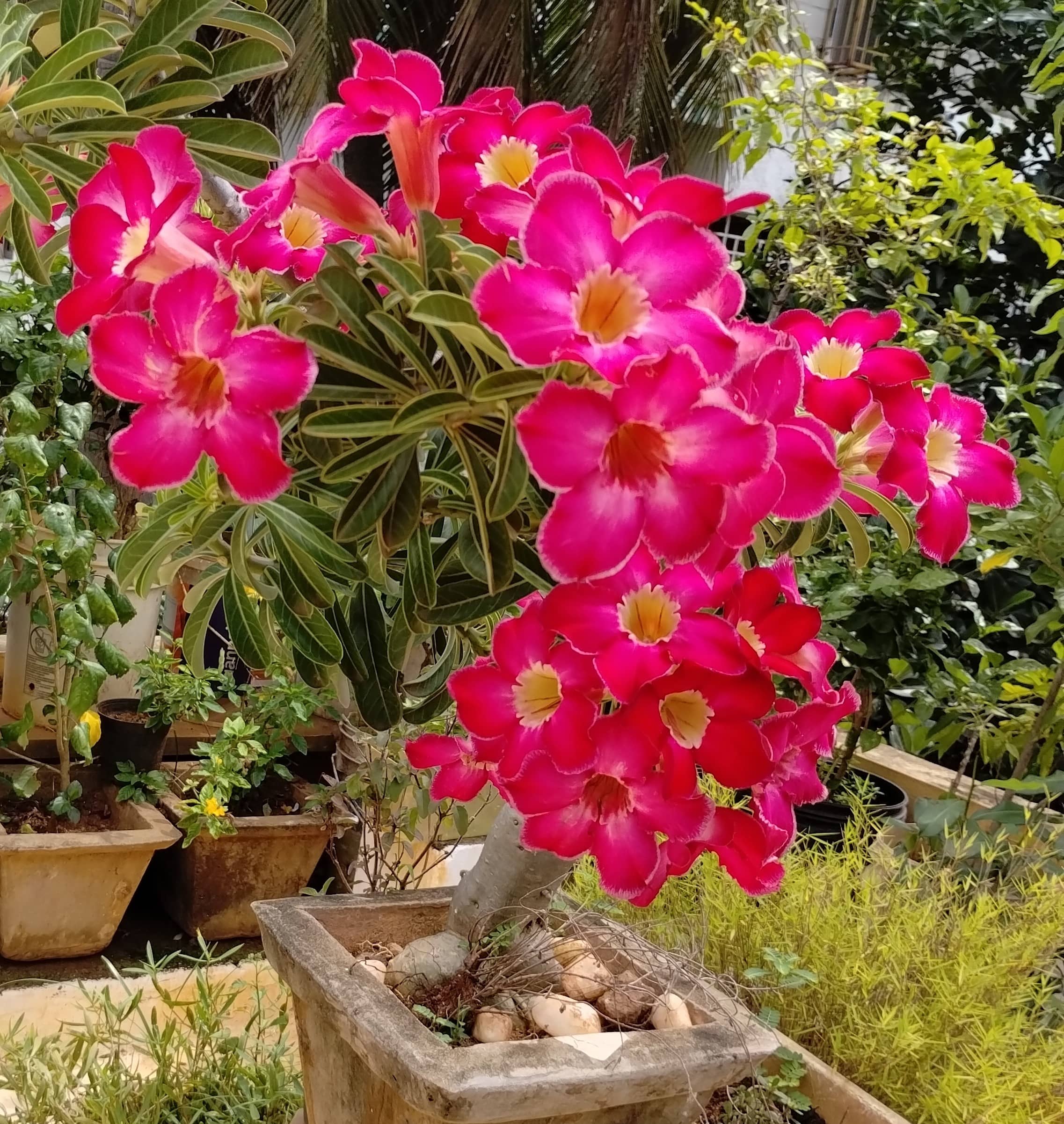
Desert rose
Adenium obesum
Striking succulent shrub featuring a dramatically swollen trunk (caudex) that st...
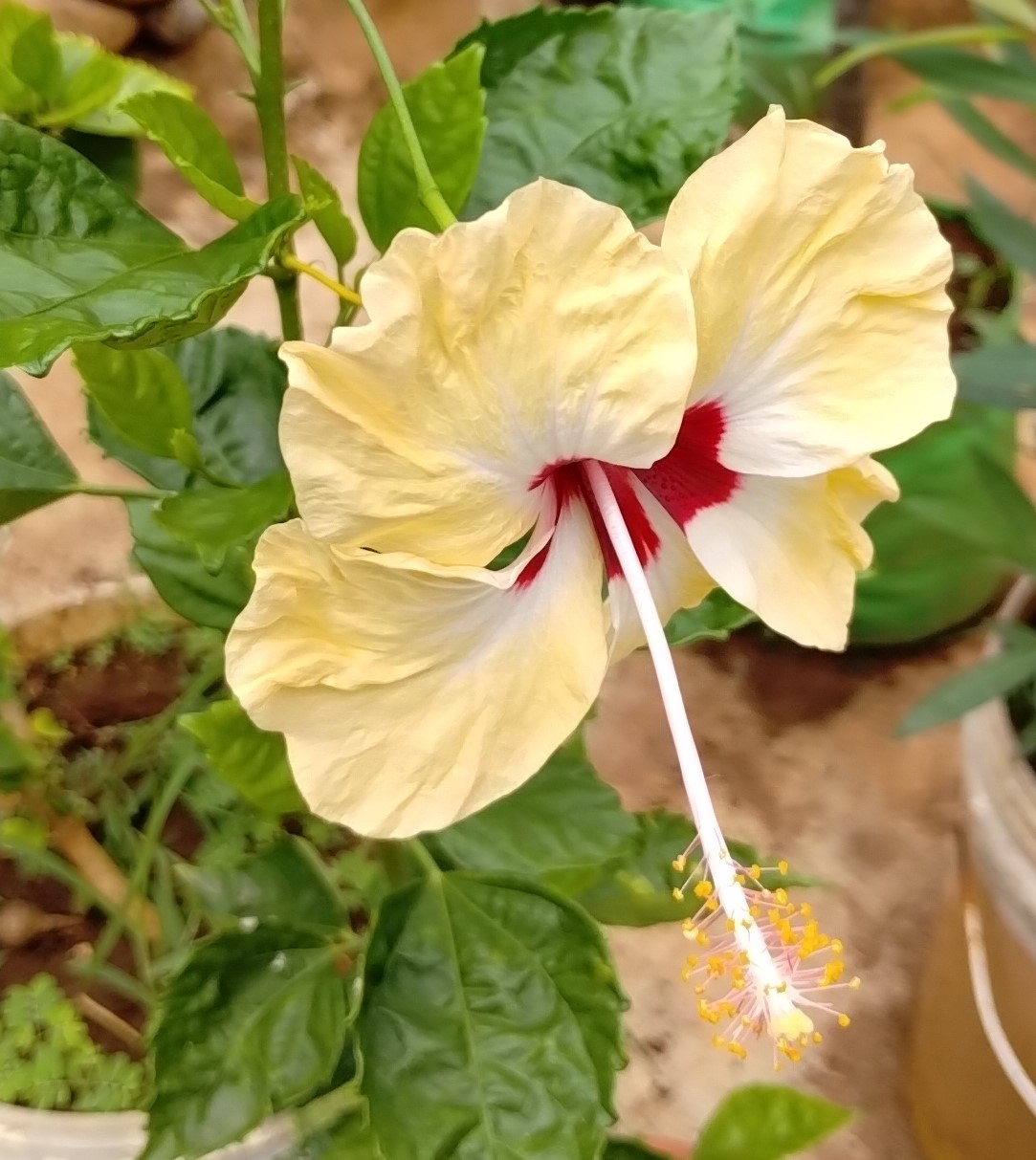
Hibiscus
Hibiscus rosa-sinensis
Spectacular tropical shrub featuring enormous, trumpet-shaped flowers with five ...
Phlox
Phlox paniculata
Fragrant flowers in dense clusters ranging from creeping ground covers to tall b...
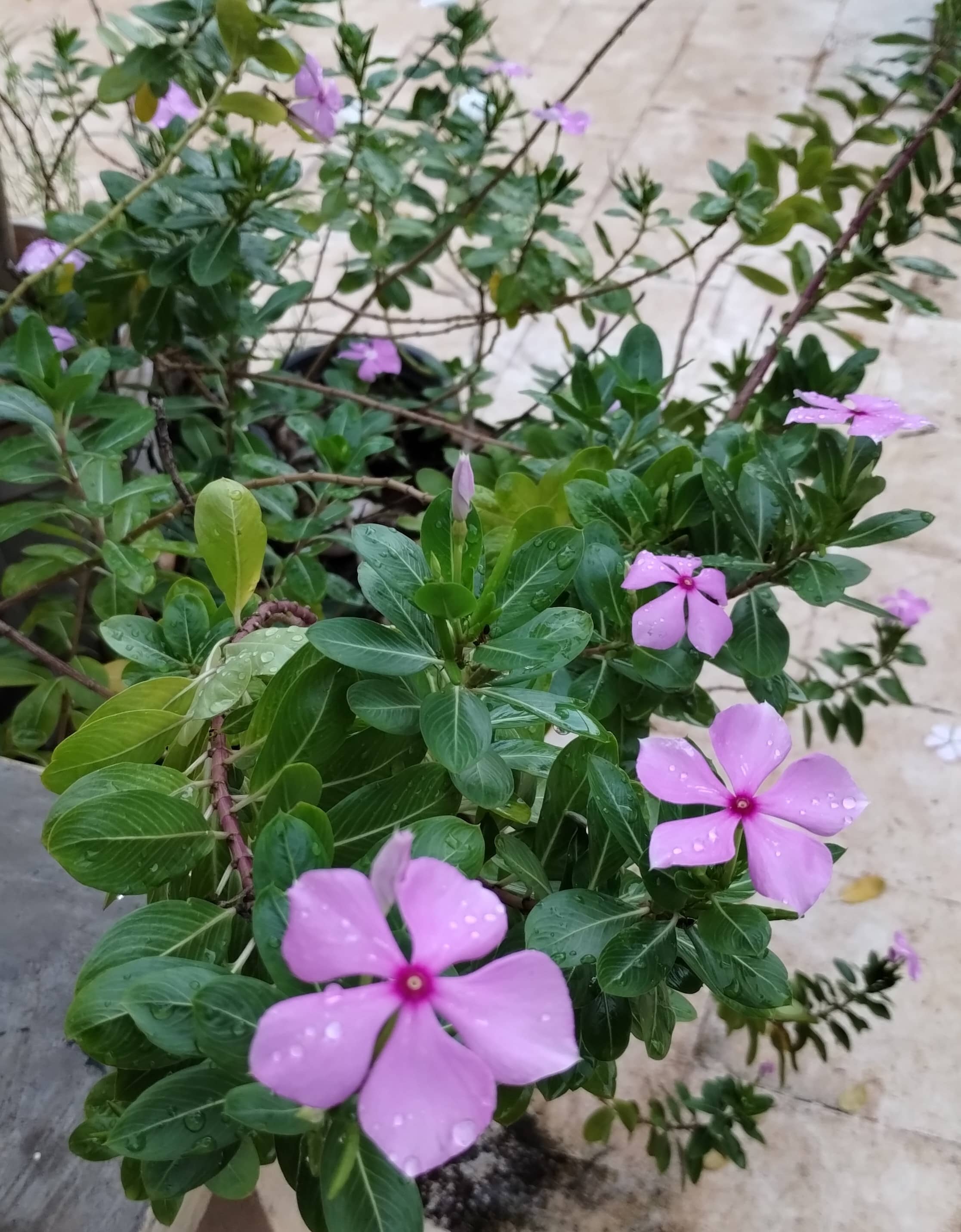
Vinca Rosea
Catharanthus roseus
Highly significant medicinal plant native to Madagascar, renowned as the source ...