
Pincushion
Scabiosa
Basic Details
Floral Formula & Features
This formula indicates a % represents that the flower is zygomorphic (bilaterally symmetrical), K5 represents the calyx, which consists of 5 sepals, C5 represents the corolla, which is composed of 5 petals, A4 indicates the androecium, consisting of 4 stamens, G(2) represents the gynoecium, which is made up of 2 fused carpels, ovary is inferior
- Etymology: Name 'Scabiosa' from Latin 'scabies' (itch or scab), as plant was historically used to treat skin conditions and scabies. 'Pincushion' describes flower heads with pin-like stamens protruding from cushion-shaped center. 'Mourning Bride' refers to dark purple/black centers resembling Victorian mourning attire. About 80-100 Scabiosa species worldwide
- Unique Characteristics: Flower heads composed of outer ring of larger ray florets surrounding dense center of smaller disc florets. Stamens and styles protrude prominently, creating distinctive pincushion appearance. Flowers have sweet, honey-like fragrance. Excellent cut flowers lasting 7-10 days in vase. Attracts wide variety of pollinators including butterflies, bees, and hummingbirds. Blooms continuously with deadheading
- Plant Type & Blooming: Herbaceous perennial (some species annual or biennial). Blooms late spring through fall (May-October), peak summer. Flowers last 5-7 days individually, continuous blooming with deadheading. Each bloom 1.5-3 inches (4-7.5 cm) across. Flowers held on long, wiry stems 12-24 inches (30-60 cm) above foliage
- Size, Lifespan & Propagation: Height: 12-36 inches (30-90 cm) depending on species. Spread: 12-18 inches (30-45 cm). Lifespan: 3-5 years (perennials), self-seeds readily. Propagation: seeds (sow spring or fall), division (spring), basal cuttings. Seeds germinate in 14-21 days. Moderate growth rate
- Native Region & Distribution: Native to Europe, Mediterranean region, Caucasus Mountains, and temperate Asia. S. columbaria (Small Scabious) widespread across Europe. S. caucasica (Caucasian Scabious) from Caucasus region. Naturalized in North America (California, Pacific Northwest). Grows in meadows, grasslands, rocky slopes, and limestone areas
- Climate & Growing Conditions: Thrives in full sun (6-8 hours daily). Prefers cool to moderate climates (USDA zones 3-9 depending on species). Temperature: 50-75°F (10-24°C) ideal. Soil: well-drained, alkaline to neutral (pH 6.5-8.0), tolerates poor, rocky, chalky soils. Loves limestone. Water: moderate, drought-tolerant once established. Avoid wet, heavy soils. Deadhead for continuous blooms. Cut back after flowering for rebloom
Names in Different Languages
What is Floral Formula?
A floral formula is a symbolic representation of a flower's structure using letters, numbers, and special symbols. It provides a concise way to describe the arrangement and number of floral parts.
This formula describes the flower's symmetry, sepals, petals, stamens, and carpels in a standardized format.
Formula Sequence
- Bract: Br or Ebr
- Bracteole: Brl or Ebrl
- Symmetry: % (Radial) or ⊕ (Bilateral)
- Sex: ♀ (Female), ♂ (Male), or ⚥ (Bisexual)
- Calyx/Sepal: K<number> (Free or Fused)
- Corolla/Petal: C<number> (Free or Fused)
- Androecium: A<number> (Free or Fused)
- Gynaecium: G<number> (Superior or Inferior Ovary)
Symbol Meanings
- Numbers: Indicate quantity of parts
- Parentheses (): Parts are fused together
- Plus (+): Parts in different whorls
- Underline: Superior ovary position
- Overline: Inferior ovary position
- ∞: Numerous parts (too many to count)
Understanding floral formulas helps botanists quickly identify and classify flowers based on their structural characteristics.
Similar Flowers
Discover flowers that share botanical characteristics
Similar Characteristics
4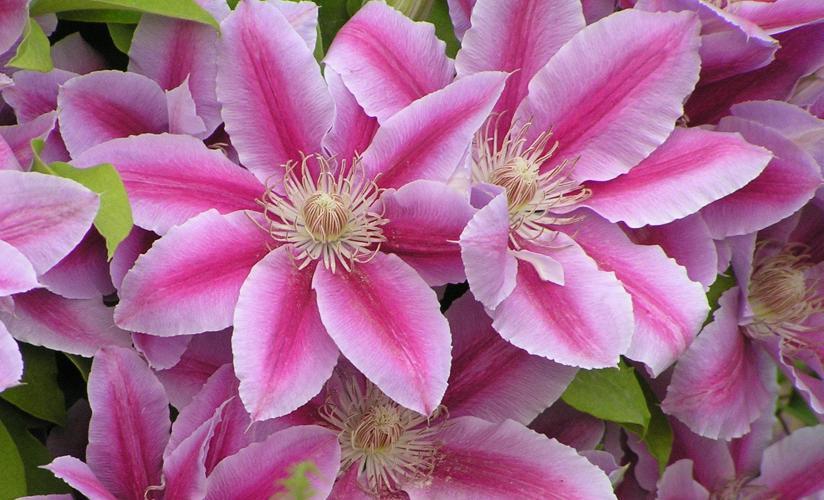
Clematis
Clematis
Spectacular flowering vine featuring large, showy blooms in star or bell shapes ...
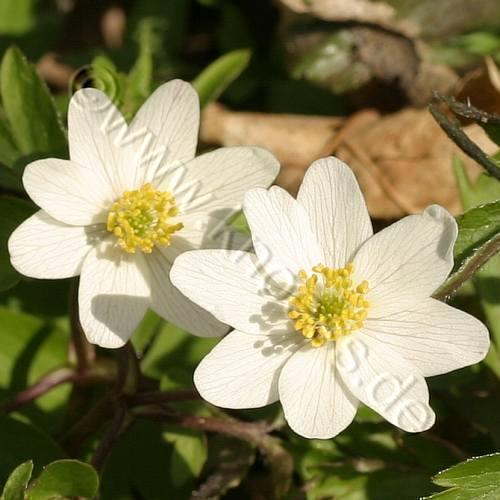
Windflower
Anemone
Graceful perennial named for delicate blooms that dance and sway in slightest br...
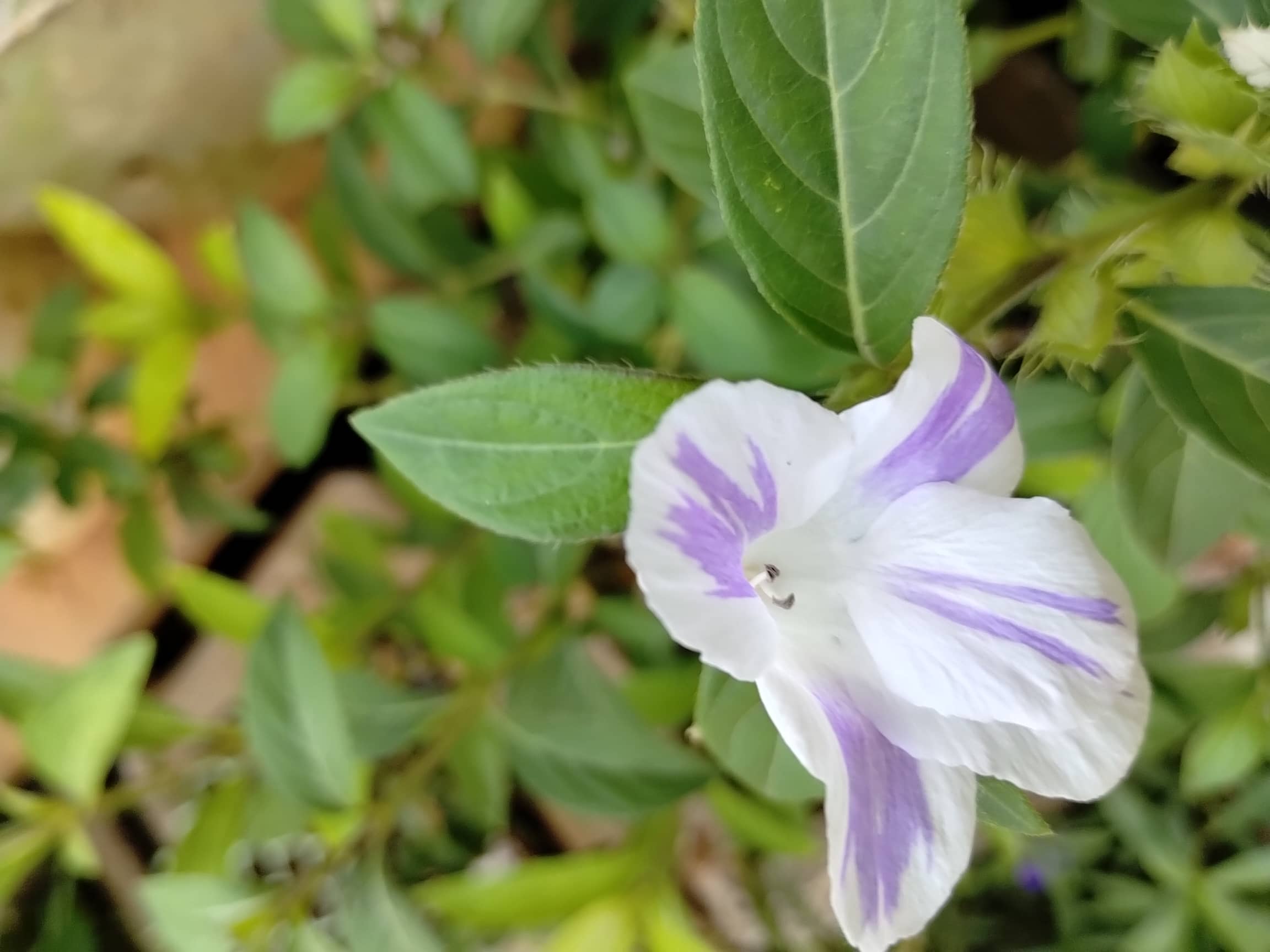
December
Barleria Cristata,Barleria prioniti
Attractive evergreen shrub featuring tubular flowers with distinctive crested or...
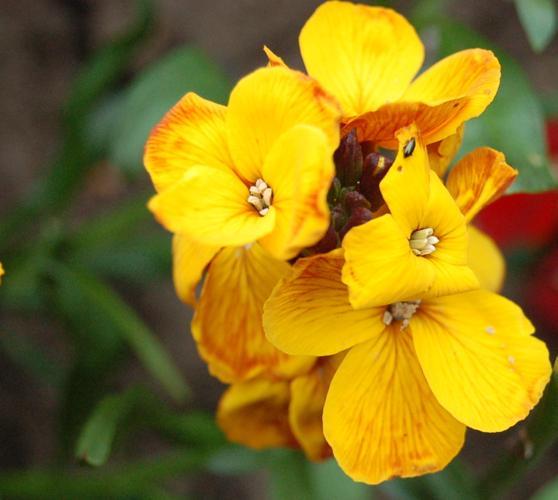
Wallflower
Erysimum cheiri
Charming old-fashioned biennial or short-lived perennial treasured for its inten...