
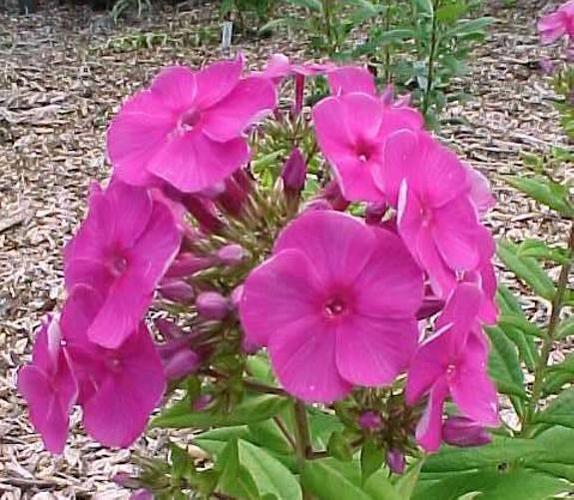
Phlox
Phlox paniculata
Basic Details
Floral Formula & Features
Ebracteate, radially symmetrical (actinomorphic), bisexual, 5 fused sepals forming tube, 5 fused petals forming salverform corolla (tube with flat spreading lobes), 5 stamens attached to corolla tube, 3 fused carpels with superior ovary
- Name 'Phlox' from Greek 'phlox' (flame) for bright, striking colors. About 67 Phlox species, all native to North America (except one Siberian). Main types: Garden/Tall Phlox (summer bloomer), Creeping/Moss Phlox (spring ground cover), Woodland Phlox (shade lover), Annual Phlox (Drummond's)
- Flowers 0.5-1 inch (1-2.5 cm) across, 5 petals forming flat face or slight tube. Colors: pink, purple, red, white, blue, lavender, bicolors, often with contrasting eye. Arranged in dense clusters (panicles or cymes). Sweet, honey-like fragrance (especially garden phlox). Blooms spring (creeping types) or summer (tall types)
- Perennial or annual depending on species. Garden phlox: upright stems, lance-shaped leaves. Creeping phlox: low mat-forming, needle-like evergreen leaves. Woodland phlox: spreading clumps. Annual phlox: bushy, sticky stems. Most types have opposite leaves
- Garden phlox grows 2-4 feet (60-120 cm) tall. Creeping phlox 4-6 inches (10-15 cm) tall, spreads 1-2 feet. Annual phlox 6-20 inches. Lifespan: perennials 3-5+ years, annuals one season. Propagated from seeds, division (spring or fall), or stem cuttings. Divide every 3-4 years
- Native to North America from Canada to Mexico. Found in woodlands, meadows, prairies, rocky slopes. Garden phlox native to eastern US. Creeping phlox from Appalachian mountains. Now cultivated worldwide in temperate regions
- Garden phlox needs full sun to partial shade (6+ hours sun). Creeping phlox full sun. Woodland phlox partial to full shade. Prefers moist, well-drained, fertile soil. Regular watering. Good air circulation prevents powdery mildew. Hardy zones 3-9 depending on species
- Garden phlox excellent for borders, cottage gardens, cut flowers. Creeping phlox perfect for rock gardens, slopes, ground cover, edging. Attracts butterflies, hummingbirds, bees. Deer resistant. Fragrant varieties good near patios. Long-lasting cut flowers
- Deadhead spent flowers for rebloom and prevent self-seeding (can be aggressive). Divide clumps when centers die out. Thin stems in spring for better air flow (prevents mildew). Pinch tall types in early summer for bushier plants. Symbolizes harmony, partnership, and sweet dreams in flower language
Names in Different Languages
What is Floral Formula?
A floral formula is a symbolic representation of a flower's structure using letters, numbers, and special symbols. It provides a concise way to describe the arrangement and number of floral parts.
This formula describes the flower's symmetry, sepals, petals, stamens, and carpels in a standardized format.
Formula Sequence
- Bract: Br or Ebr
- Bracteole: Brl or Ebrl
- Symmetry: % (Radial) or ⊕ (Bilateral)
- Sex: ♀ (Female), ♂ (Male), or ⚥ (Bisexual)
- Calyx/Sepal: K<number> (Free or Fused)
- Corolla/Petal: C<number> (Free or Fused)
- Androecium: A<number> (Free or Fused)
- Gynaecium: G<number> (Superior or Inferior Ovary)
Symbol Meanings
- Numbers: Indicate quantity of parts
- Parentheses (): Parts are fused together
- Plus (+): Parts in different whorls
- Underline: Superior ovary position
- Overline: Inferior ovary position
- ∞: Numerous parts (too many to count)
Understanding floral formulas helps botanists quickly identify and classify flowers based on their structural characteristics.
Similar Flowers
Discover flowers that share botanical characteristics
Similar Characteristics
4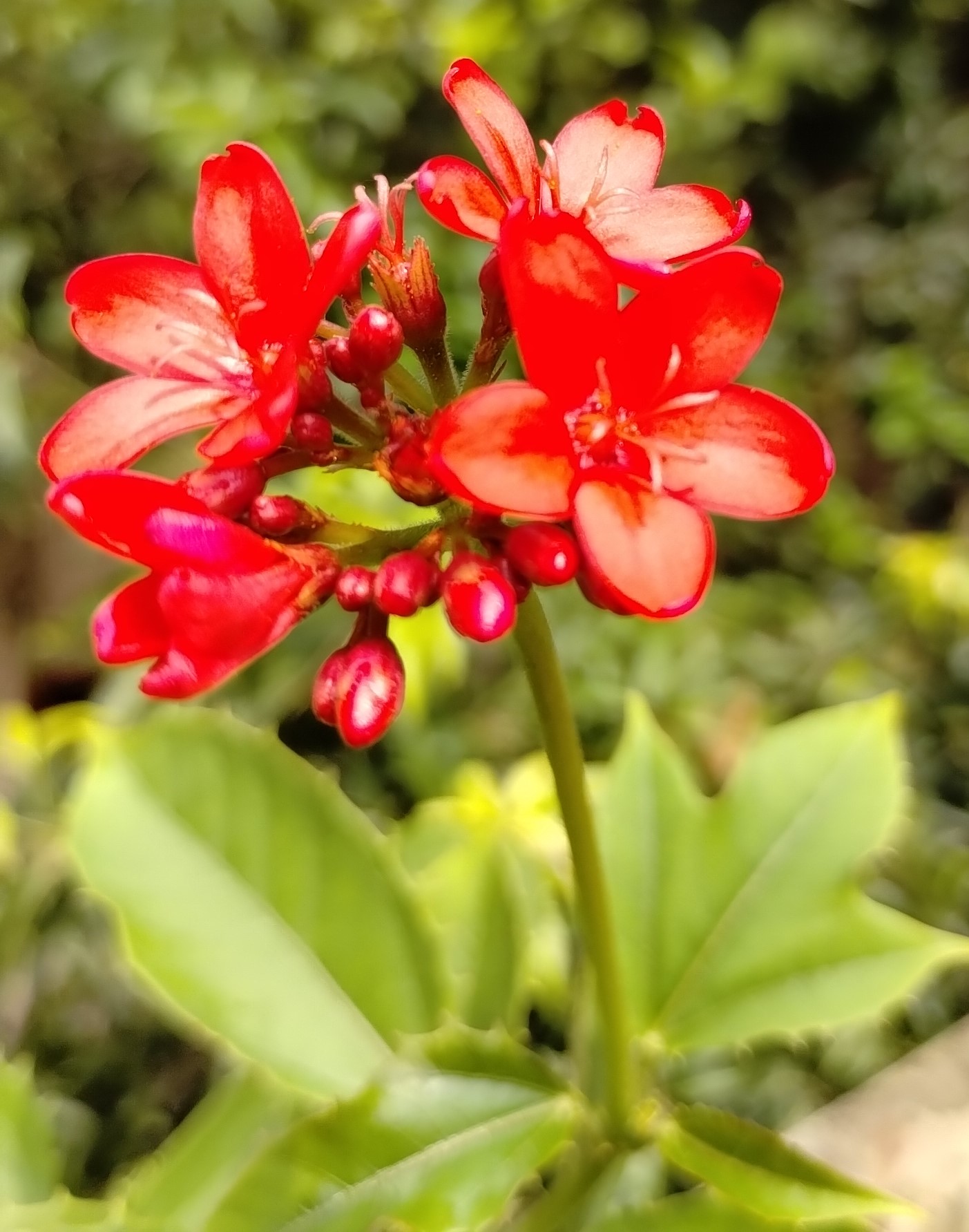
Jatropha
Jatropha Curcas
Versatile tropical shrub featuring clusters of small, star-shaped flowers in vib...
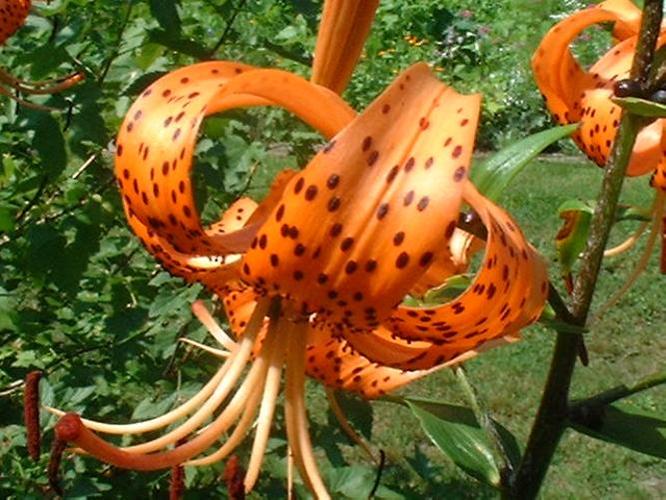
Tiger Lily
Lilium lancifolium
Spectacular summer-blooming bulb featuring vibrant orange flowers adorned with d...
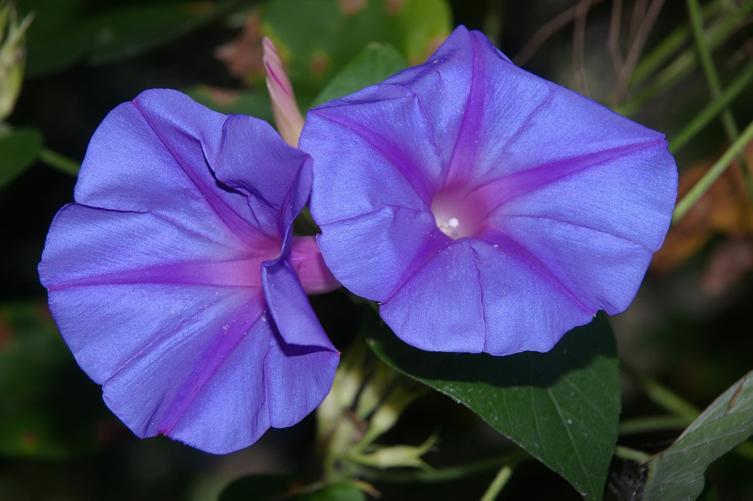
Morning Glory
Ipomoea tricolor
Fast-growing annual vine with trumpet-shaped flowers in vibrant blue, purple, pi...
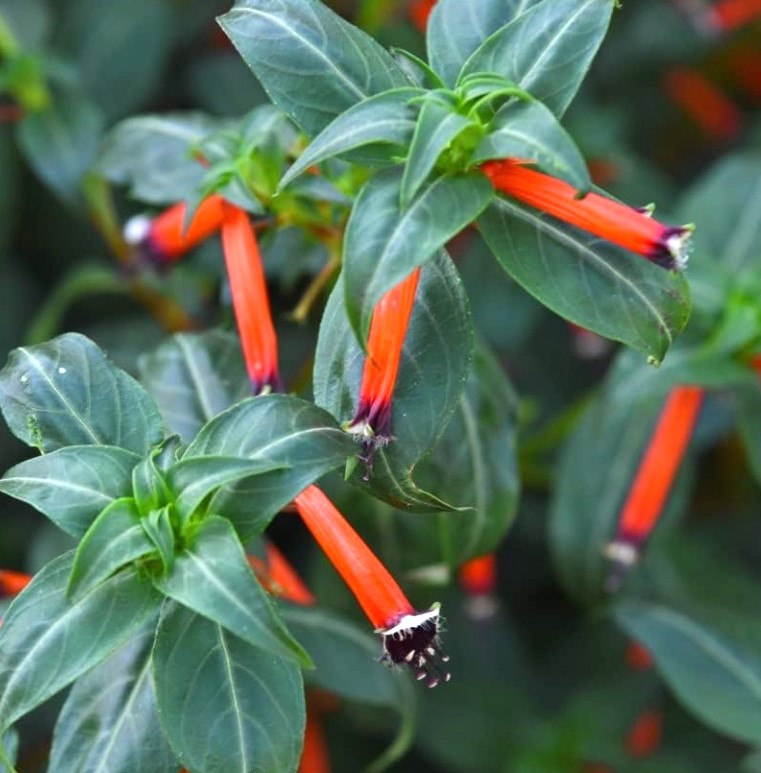
Cuphea Cigar
Cuphea ignea
Charming compact shrub featuring unique tubular flowers that resemble tiny lit c...