
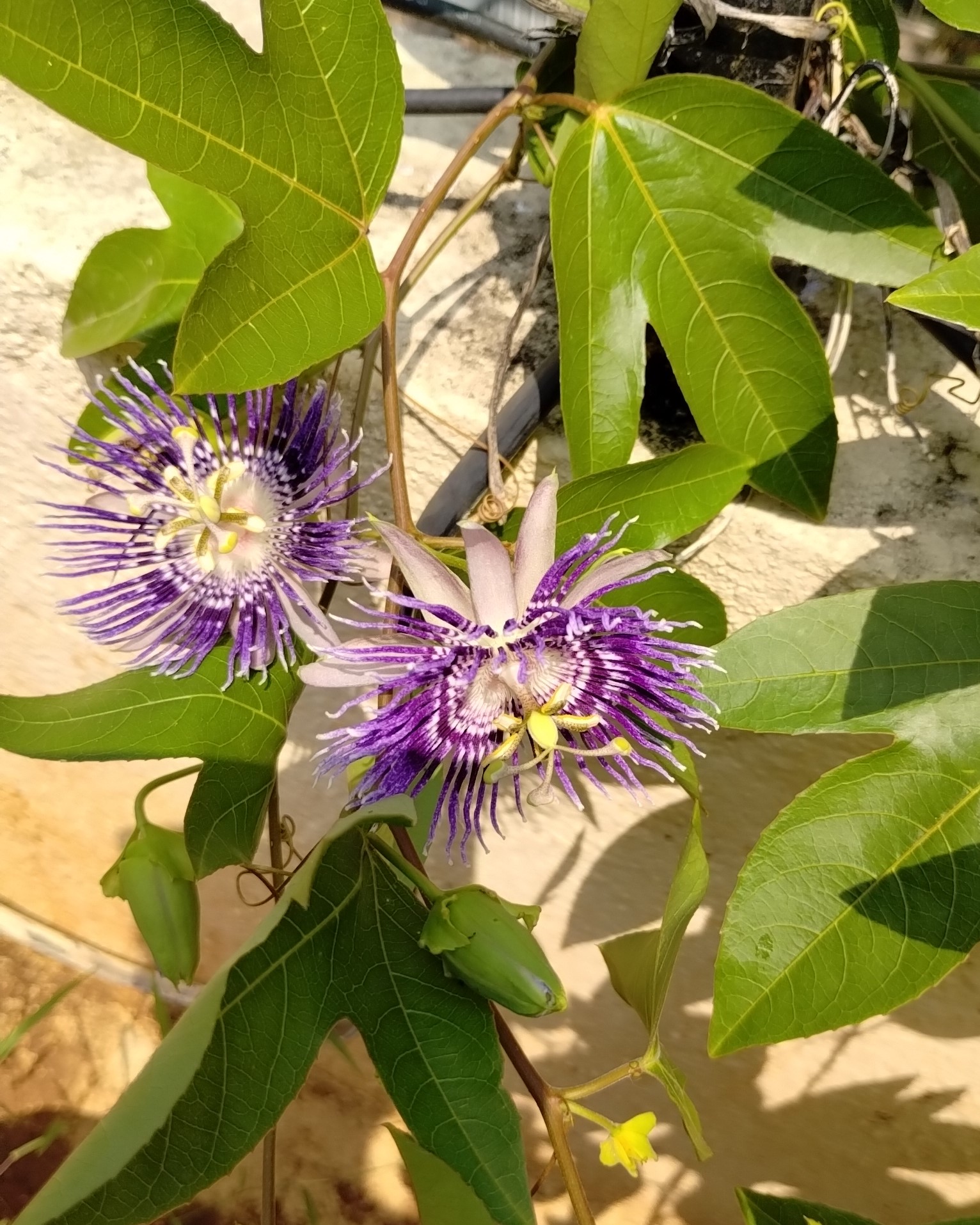
Passion Flower
passio
Basic Details
Floral Formula & Features
Ebracteate (no bracts), Actinomorphic (radially symmetrical), bisexual, 5 free sepals, 5 free petals, 5 free stamens, 3 fused carpels with superior ovary
- Named 'Passion Flower' by Spanish missionaries who saw symbols of Christ's crucifixion in the flower's structure: corona (crown of thorns), five stamens (five wounds), three stigmas (three nails)
- Complex flower structure with five petals, five sepals, and a prominent corona of thread-like filaments radiating from the center
- Perennial climbing vine that blooms from late spring to early fall (May-September). Common species include Passiflora incarnata (purple), P. caerulea (blue), and P. vitifolia (red)
- Climbs to 10-30 feet (3-9 meters) using tendrils. Lifespan of 5-7 years. Propagated by seeds, cuttings, or layering
- Native to tropical and subtropical Americas from Mexico to Argentina. Now found in Southeast Asia, Mediterranean, and southern United States
- Needs 5-6 hours of direct sunlight daily with well-drained, moderately fertile soil. Moderate water requirements
- Used in traditional medicine for anxiety and sleep disorders. Leaves and roots contain calming compounds. Attracts butterflies, especially Gulf Fritillary
Names in Different Languages
What is Floral Formula?
A floral formula is a symbolic representation of a flower's structure using letters, numbers, and special symbols. It provides a concise way to describe the arrangement and number of floral parts.
This formula describes the flower's symmetry, sepals, petals, stamens, and carpels in a standardized format.
Formula Sequence
- Bract: Br or Ebr
- Bracteole: Brl or Ebrl
- Symmetry: % (Radial) or ⊕ (Bilateral)
- Sex: ♀ (Female), ♂ (Male), or ⚥ (Bisexual)
- Calyx/Sepal: K<number> (Free or Fused)
- Corolla/Petal: C<number> (Free or Fused)
- Androecium: A<number> (Free or Fused)
- Gynaecium: G<number> (Superior or Inferior Ovary)
Symbol Meanings
- Numbers: Indicate quantity of parts
- Parentheses (): Parts are fused together
- Plus (+): Parts in different whorls
- Underline: Superior ovary position
- Overline: Inferior ovary position
- ∞: Numerous parts (too many to count)
Understanding floral formulas helps botanists quickly identify and classify flowers based on their structural characteristics.
Similar Flowers
Discover flowers that share botanical characteristics
Similar Characteristics
4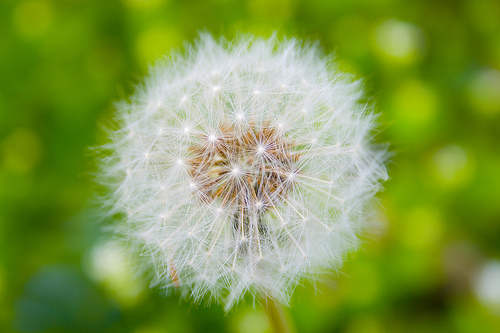
Dandelion
Taraxacum officinale
Ubiquitous perennial featuring bright golden-yellow composite flowers that trans...
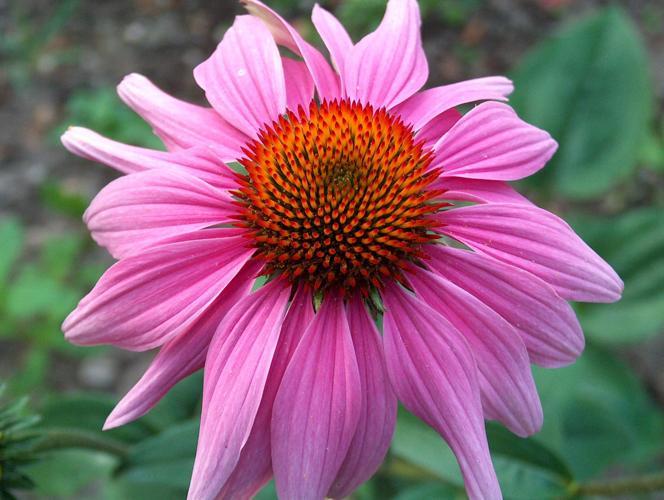
Purple Coneflower
Echinacea purpurea
Popular prairie wildflower with distinctive purple-pink petals drooping around s...
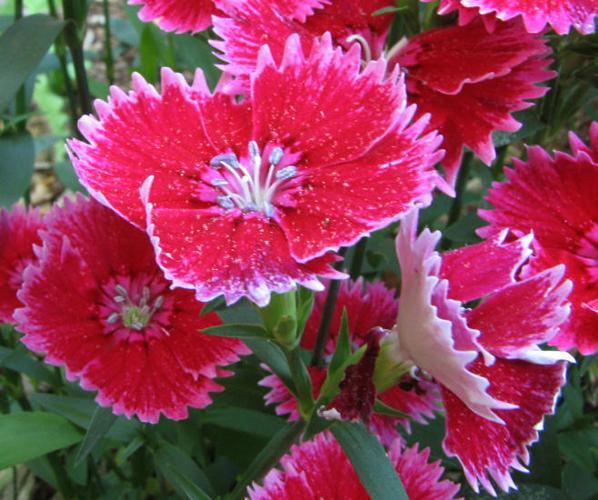
Sweet William (Dianthus barbatus)
Dianthus
Charming cottage garden biennial featuring dense, rounded clusters of small, fri...
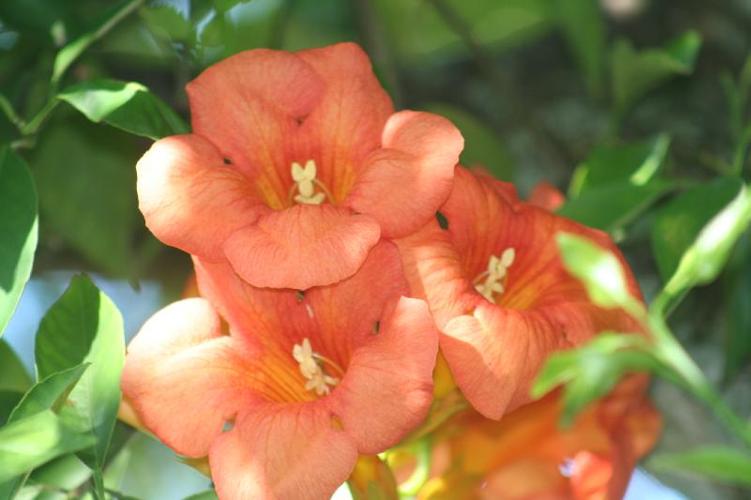
Trumpet Vine
Campsis radicans
Vigorous deciduous woody vine renowned for its spectacular clusters of trumpet-s...