
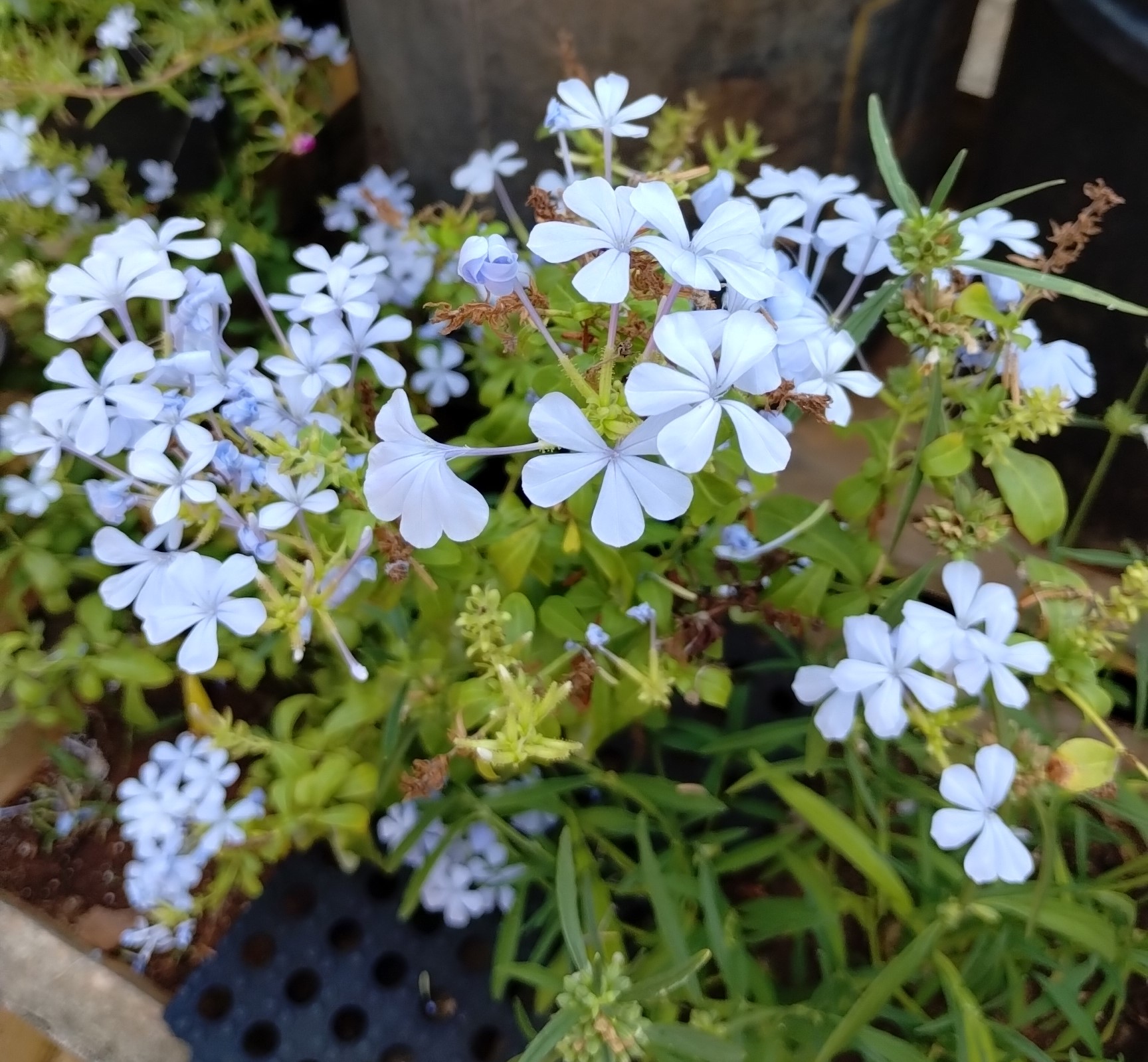
Leadwort
Plumbago auriculata
Basic Details
Floral Formula & Features
Ebracteate (no bracts), radially symmetrical (actinomorphic), bisexual, 5 fused sepals forming tubular, glandular (sticky) calyx, 5 fused petals forming long tube with 5 spreading lobes, 5 free stamens, 5 fused carpels (styles) with superior ovary
- Name 'Plumbago' from Latin 'plumbum' (lead), as plant historically believed to cure lead poisoning or treat plumbism. 'Auriculata' means 'eared,' referring to small ear-like appendages at leaf bases. 'Leadwort' also from lead association. About 24 Plumbago species worldwide
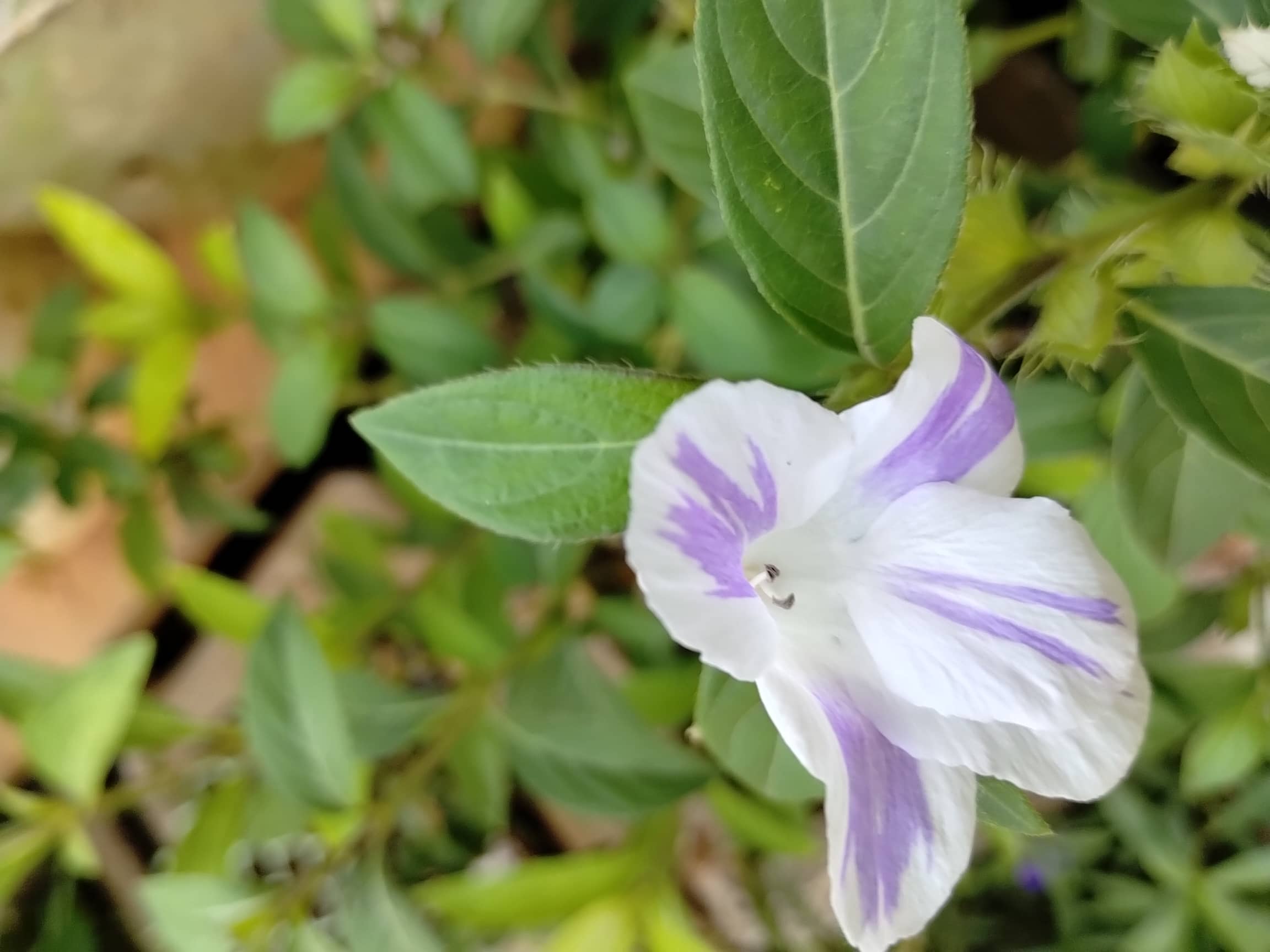
- Flowers 0.75-1 inch (2-2.5 cm) across with slender tube 1-1.5 inches long opening to 5 oval, spreading petals. Blooms sky-blue to pale blue (P. auriculata), white (P. zeylanica), or red-pink (P. indica). Arranged in terminal racemes 4-6 inches long. Blooms year-round in tropics, summer-fall elsewhere. Sticky, glandular calyx adheres to clothing
- Evergreen to semi-evergreen shrub with scrambling, semi-climbing habit. Can be trained as climber, hedge, or ground cover. Fast-growing, reaching mature size in 2-3 years. Square stems in some species. Responds well to pruning and shaping
- Grows 3-6 feet (1-2 m) tall as shrub, can climb to 10-12 feet (3-3.6 m) with support. Spread of 3-8 feet. Lifespan of 10-20+ years. Propagated easily from semi-hardwood cuttings (root in 3-4 weeks), division, or layering. Fast-growing, adding 2-3 feet per year
- P. auriculata native to South Africa and Mozambique. P. zeylanica from tropical Asia (India, Sri Lanka, Southeast Asia). P. indica from tropical Asia. Now widely cultivated in tropical and subtropical regions worldwide including southern United States, Mediterranean, Australia
- Requires full sun to partial shade (6+ hours sun for best flowering). Adapts to various well-drained soils. Moderately drought tolerant once established. Heat and humidity tolerant. Salt tolerant for coastal gardens. Frost sensitive (damaged below 25°F/-4°C). Zones 8-11 outdoors
- Used in traditional medicine systems (Ayurveda, Chinese medicine) for skin conditions, digestive issues, and as anti-inflammatory. P. zeylanica root used for various ailments. Modern research shows antimicrobial and anti-inflammatory properties. Caution: can cause skin irritation in some people
- Excellent hedge, screen, or espalier plant. Attracts butterflies, hummingbirds, and bees. Deer resistant. Sticky calyxes can be nuisance, adhering to clothing and pet fur. Ideal for tropical and subtropical landscapes. Provides continuous color with minimal care. Can become weedy in some tropical regions
Names in Different Languages
What is Floral Formula?
A floral formula is a symbolic representation of a flower's structure using letters, numbers, and special symbols. It provides a concise way to describe the arrangement and number of floral parts.
This formula describes the flower's symmetry, sepals, petals, stamens, and carpels in a standardized format.
Formula Sequence
- Bract: Br or Ebr
- Bracteole: Brl or Ebrl
- Symmetry: % (Radial) or ⊕ (Bilateral)
- Sex: ♀ (Female), ♂ (Male), or ⚥ (Bisexual)
- Calyx/Sepal: K<number> (Free or Fused)
- Corolla/Petal: C<number> (Free or Fused)
- Androecium: A<number> (Free or Fused)
- Gynaecium: G<number> (Superior or Inferior Ovary)
Symbol Meanings
- Numbers: Indicate quantity of parts
- Parentheses (): Parts are fused together
- Plus (+): Parts in different whorls
- Underline: Superior ovary position
- Overline: Inferior ovary position
- ∞: Numerous parts (too many to count)
Understanding floral formulas helps botanists quickly identify and classify flowers based on their structural characteristics.
Similar Flowers
Discover flowers that share botanical characteristics
Similar Characteristics
4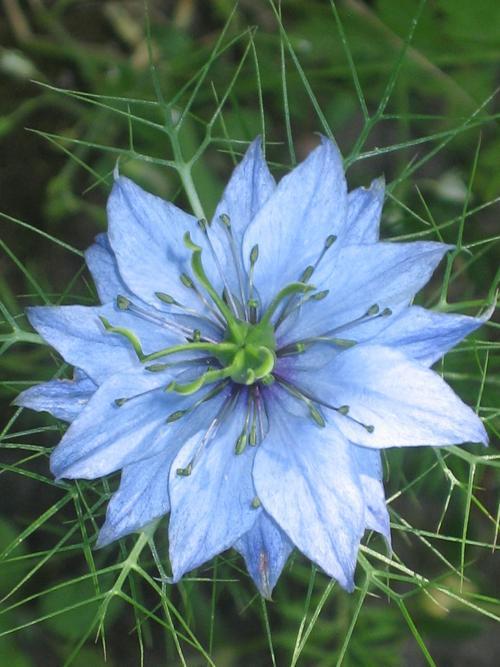
Love in a mist
Nigella damascena
Charming cottage garden annual featuring delicate jewel-like flowers in shades o...
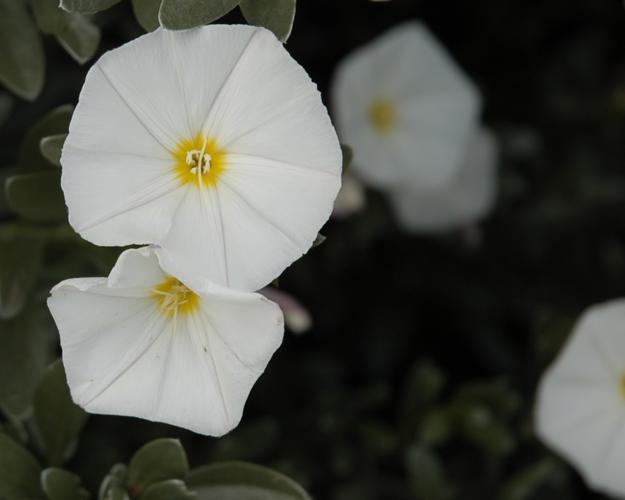
Silverbush
Convolvulus cneorum
Compact evergreen shrub prized for stunning silvery-green foliage that shimmers ...
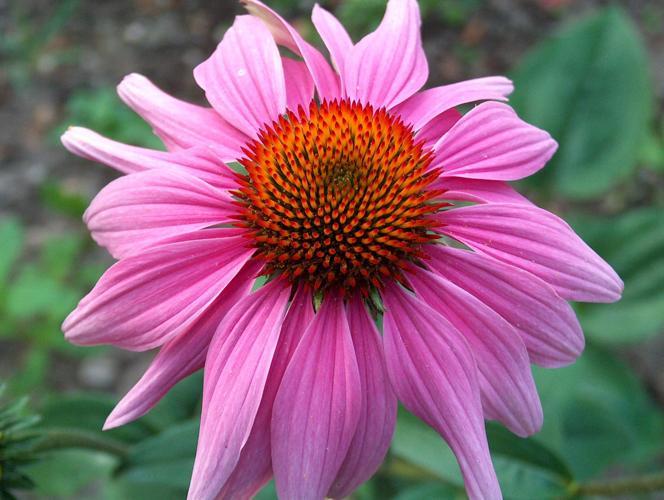
Purple Coneflower
Echinacea purpurea
Popular prairie wildflower with distinctive purple-pink petals drooping around s...
December
Barleria Cristata,Barleria prioniti
Attractive evergreen shrub featuring tubular flowers with distinctive crested or...