
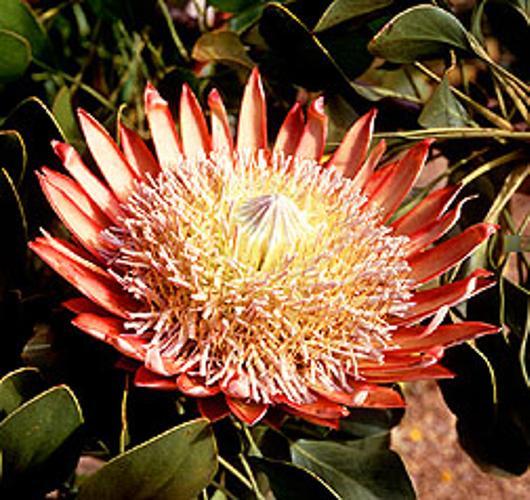
King Protea
Protea cynaroides
Basic Details
Floral Formula & Features
Ebracteate (no true bracts, but large colorful modified leaves surround flower head), radially symmetrical (actinomorphic), bisexual, 4 tepals (perianth segments) fused into tube, 4 stamens attached to tepals, 1 free carpel with superior ovary. Formula describes individual tiny flowers within the large flower head
- Name 'Protea' honors Greek god Proteus who could change form, reflecting the genus's incredible diversity (over 100 species). 'Cynaroides' means 'like Cynara' (artichoke), describing the artichoke-like flower head. Called 'King' for its massive size and regal appearance—largest flower head in Protea genus
- Massive flower heads 6-12 inches (15-30 cm) across, composed of central cone of hundreds of tiny tubular flowers surrounded by 4-6 rows of large, petal-like bracts. Bracts range from silvery-pink to deep crimson, often with fuzzy, silky textures. Individual blooms last 3-4 weeks on plant, 2-3 weeks as cut flowers
- Evergreen woody shrub that blooms primarily in winter and spring (June-October in South Africa, December-April in Northern Hemisphere). Fire-adapted plant that resprouts from underground rootstock after fires. Slow-growing, taking 4-5 years to first bloom from seed
- Grows 3-6 feet (1-2 m) tall with 4-6 foot (1.2-1.8 m) spread, occasionally to 10 feet in ideal conditions. Lifespan of 30-50+ years. Propagated from seed (slow, 4-5 years to bloom) or cuttings (difficult, requires specific conditions). Grafting onto rootstock improves success
- Endemic to South Africa's Western and Eastern Cape provinces, found in mountainous fynbos vegetation of Cape Floristic Region. Grows on rocky, sandstone slopes at elevations of 300-4,500 feet (100-1,400 m). Habitat threatened by agriculture and urban development
- Requires full sun with at least 6-8 hours of direct sunlight. Needs excellent drainage and acidic, nutrient-poor soil (pH 5.5-6.5). Extremely sensitive to phosphorus—use low-phosphorus fertilizers. Drought tolerant once established. Intolerant of humidity and poor drainage. Hardy zones 9-11
- South Africa's national flower since 1976, symbolizing diversity and beauty. Premium cut flower commanding high prices in floral industry. Attracts sunbirds and beetles (primary pollinators). Nectar used for honey production. Excellent dried flower retaining color for years. Represents transformation, courage, and diversity
Names in Different Languages
What is Floral Formula?
A floral formula is a symbolic representation of a flower's structure using letters, numbers, and special symbols. It provides a concise way to describe the arrangement and number of floral parts.
This formula describes the flower's symmetry, sepals, petals, stamens, and carpels in a standardized format.
Formula Sequence
- Bract: Br or Ebr
- Bracteole: Brl or Ebrl
- Symmetry: % (Radial) or ⊕ (Bilateral)
- Sex: ♀ (Female), ♂ (Male), or ⚥ (Bisexual)
- Calyx/Sepal: K<number> (Free or Fused)
- Corolla/Petal: C<number> (Free or Fused)
- Androecium: A<number> (Free or Fused)
- Gynaecium: G<number> (Superior or Inferior Ovary)
Symbol Meanings
- Numbers: Indicate quantity of parts
- Parentheses (): Parts are fused together
- Plus (+): Parts in different whorls
- Underline: Superior ovary position
- Overline: Inferior ovary position
- ∞: Numerous parts (too many to count)
Understanding floral formulas helps botanists quickly identify and classify flowers based on their structural characteristics.
Similar Flowers
Discover flowers that share botanical characteristics
Similar Characteristics
4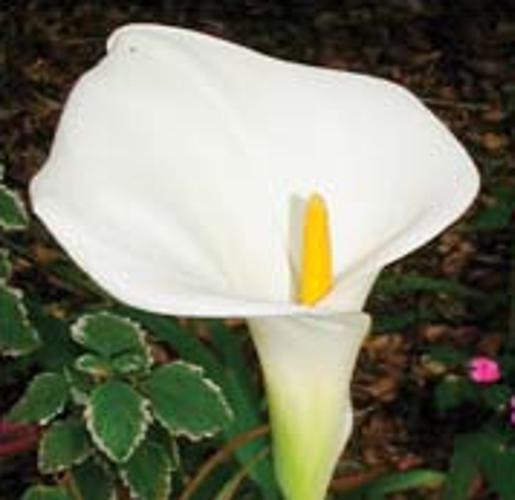
Arum Lily
Zantedeschia aethiopica
Elegant plant featuring a distinctive trumpet or funnel-shaped spathe (modified ...
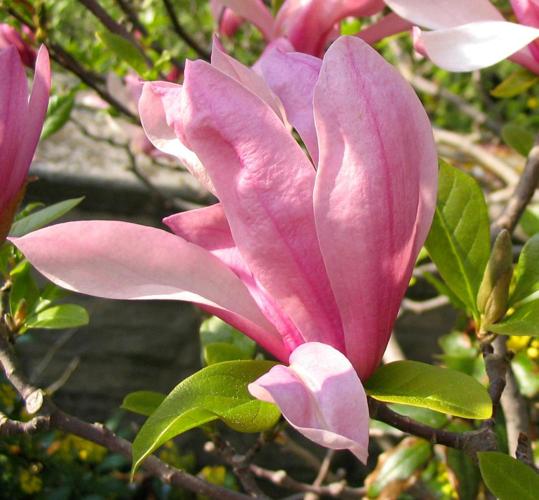
Magnolia
Magnolia
Ancient flowering tree producing spectacular large blooms in goblet, tulip, or s...
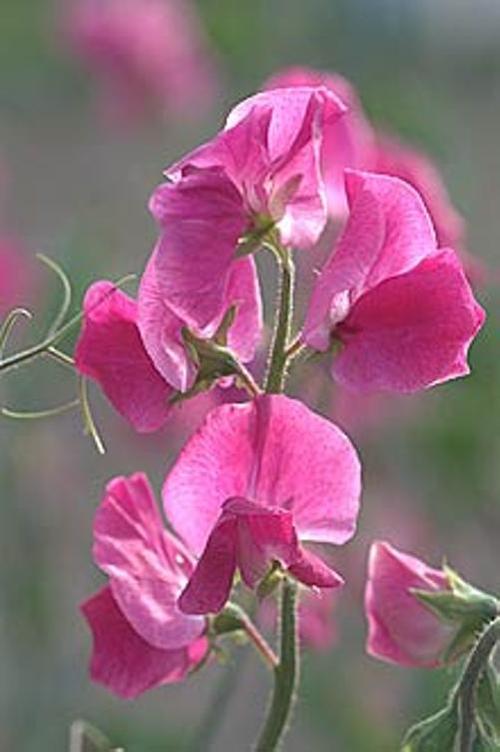
Sweet Pea
Lathyrus odoratus
Beloved fragrant annual vine with butterfly-shaped flowers in rainbow of pastel ...
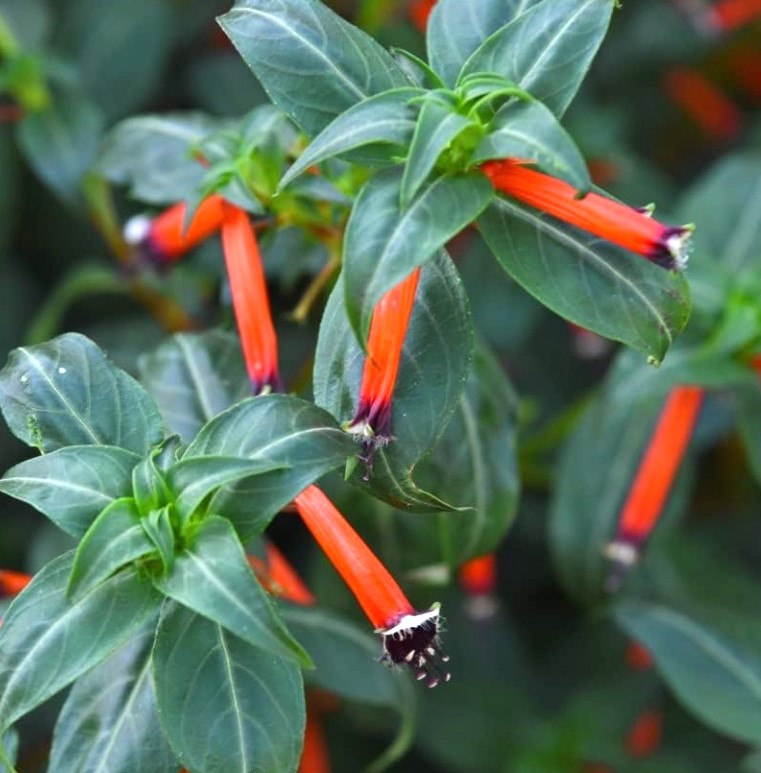
Cuphea Cigar
Cuphea ignea
Charming compact shrub featuring unique tubular flowers that resemble tiny lit c...