
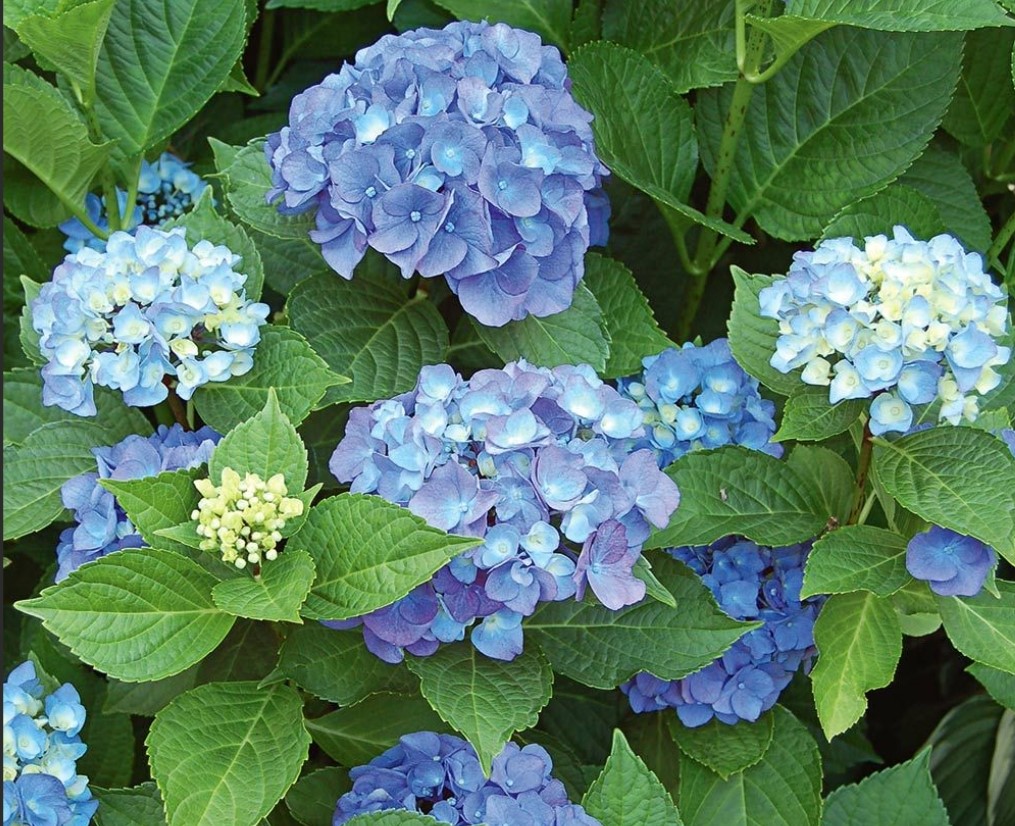
Hydrangea
Hydrangea
Basic Details
Floral Formula & Features
Radially symmetrical, bisexual (fertile flowers) or sterile, 4-5 free sepals (enlarged and petal-like in sterile flowers), 4-5 free petals (in fertile flowers), 8-10 stamens, 2-5 fused carpels with inferior ovary
- Name 'Hydrangea' derives from Greek 'hydor' (water) and 'angos' (vessel), referring to cup-shaped seed capsules and the plant's love of water. Famous for color-changing ability: blue in acidic soil (pH 5.5 or below), pink in alkaline soil (pH 6.5+), due to aluminum availability
- Large flower clusters (corymbs or panicles) composed of two flower types: showy sterile flowers with large sepals (what we see) and small fertile flowers in center. Mophead types have all sterile flowers; lacecap types have fertile center surrounded by sterile flowers
- Deciduous woody shrub that blooms on old wood (previous year's growth) or new wood (current season's growth) depending on species. Blooms early summer through fall. Some varieties offer brilliant red, orange, or burgundy fall foliage
- Size varies by species: dwarf varieties 2-3 feet (60-90 cm), standard shrubs 4-6 feet (1.2-1.8 m), large varieties 8-15 feet (2.4-4.5 m). Lifespan of 20-50 years or more. Propagated by softwood cuttings or division
- Native to Asia (China, Japan, Korea, Himalayas) and North America (eastern United States). Found in moist woodland understories and along streams. Most garden varieties are Asian species or hybrids
- Prefer partial shade to morning sun with afternoon shade. Need consistently moist, well-drained, rich soil. Water requirements high, especially during blooming. Soil pH determines flower color in some varieties. Cold hardiness varies by species (zones 3-9)
- Excellent cut flowers lasting 1-2 weeks in water. Flowers dry beautifully for arrangements, retaining color for months. Some species used in traditional Asian medicine. Popular in Victorian gardens and still beloved for cottage gardens and formal landscapes
Names in Different Languages
What is Floral Formula?
A floral formula is a symbolic representation of a flower's structure using letters, numbers, and special symbols. It provides a concise way to describe the arrangement and number of floral parts.
This formula describes the flower's symmetry, sepals, petals, stamens, and carpels in a standardized format.
Formula Sequence
- Bract: Br or Ebr
- Bracteole: Brl or Ebrl
- Symmetry: % (Radial) or ⊕ (Bilateral)
- Sex: ♀ (Female), ♂ (Male), or ⚥ (Bisexual)
- Calyx/Sepal: K<number> (Free or Fused)
- Corolla/Petal: C<number> (Free or Fused)
- Androecium: A<number> (Free or Fused)
- Gynaecium: G<number> (Superior or Inferior Ovary)
Symbol Meanings
- Numbers: Indicate quantity of parts
- Parentheses (): Parts are fused together
- Plus (+): Parts in different whorls
- Underline: Superior ovary position
- Overline: Inferior ovary position
- ∞: Numerous parts (too many to count)
Understanding floral formulas helps botanists quickly identify and classify flowers based on their structural characteristics.
Similar Flowers
Discover flowers that share botanical characteristics
Similar Characteristics
4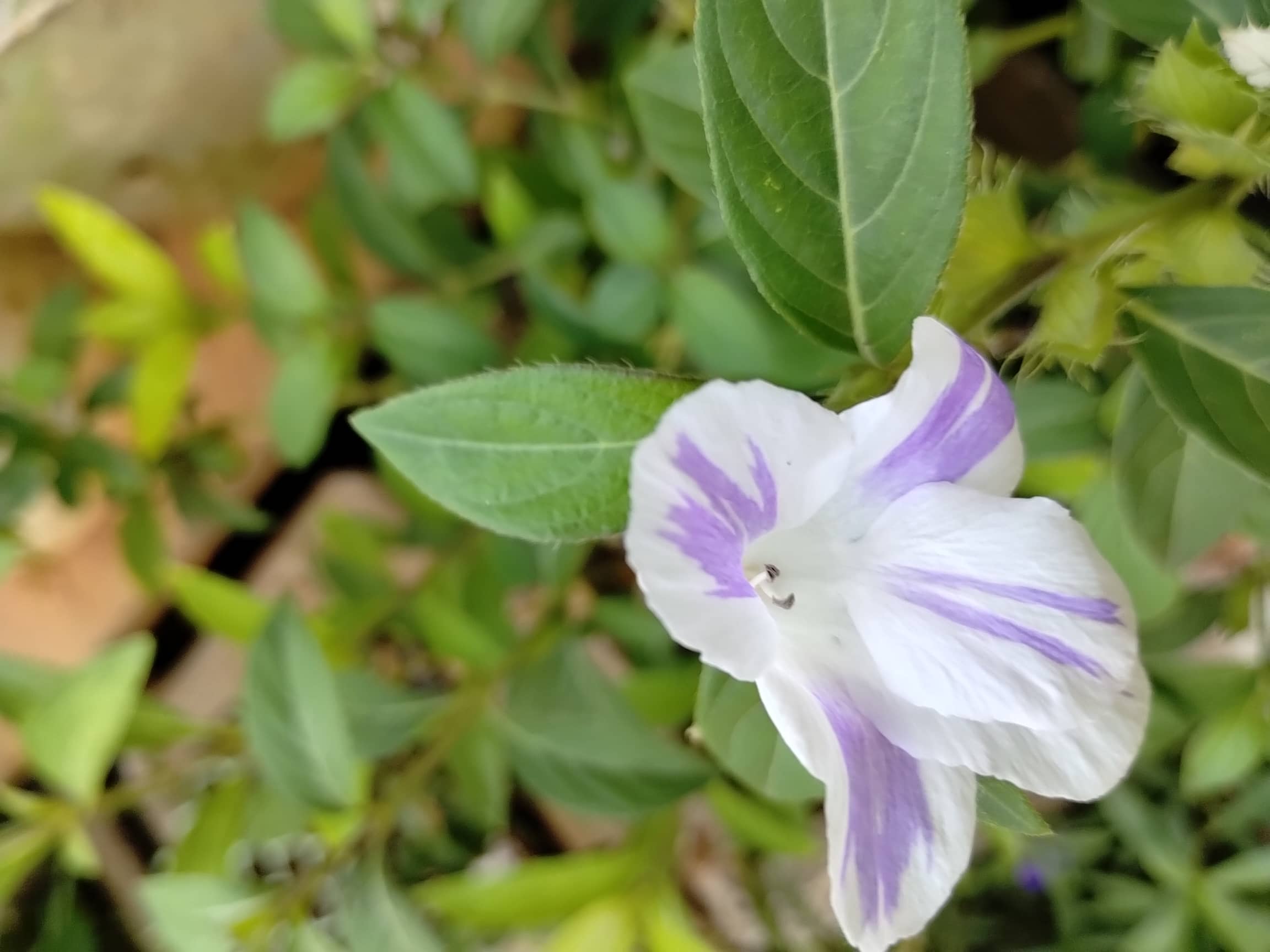
December
Barleria Cristata,Barleria prioniti
Attractive evergreen shrub featuring tubular flowers with distinctive crested or...
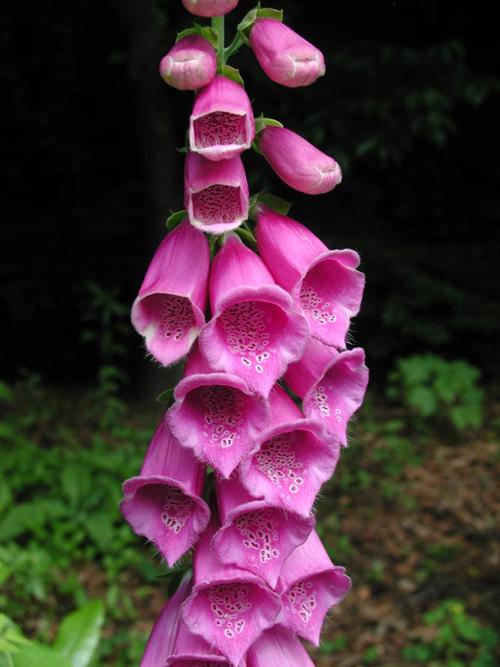
Foxglove
Digitalis purpurea
Majestic biennial featuring tall, elegant spikes of tubular, bell-shaped flowers...
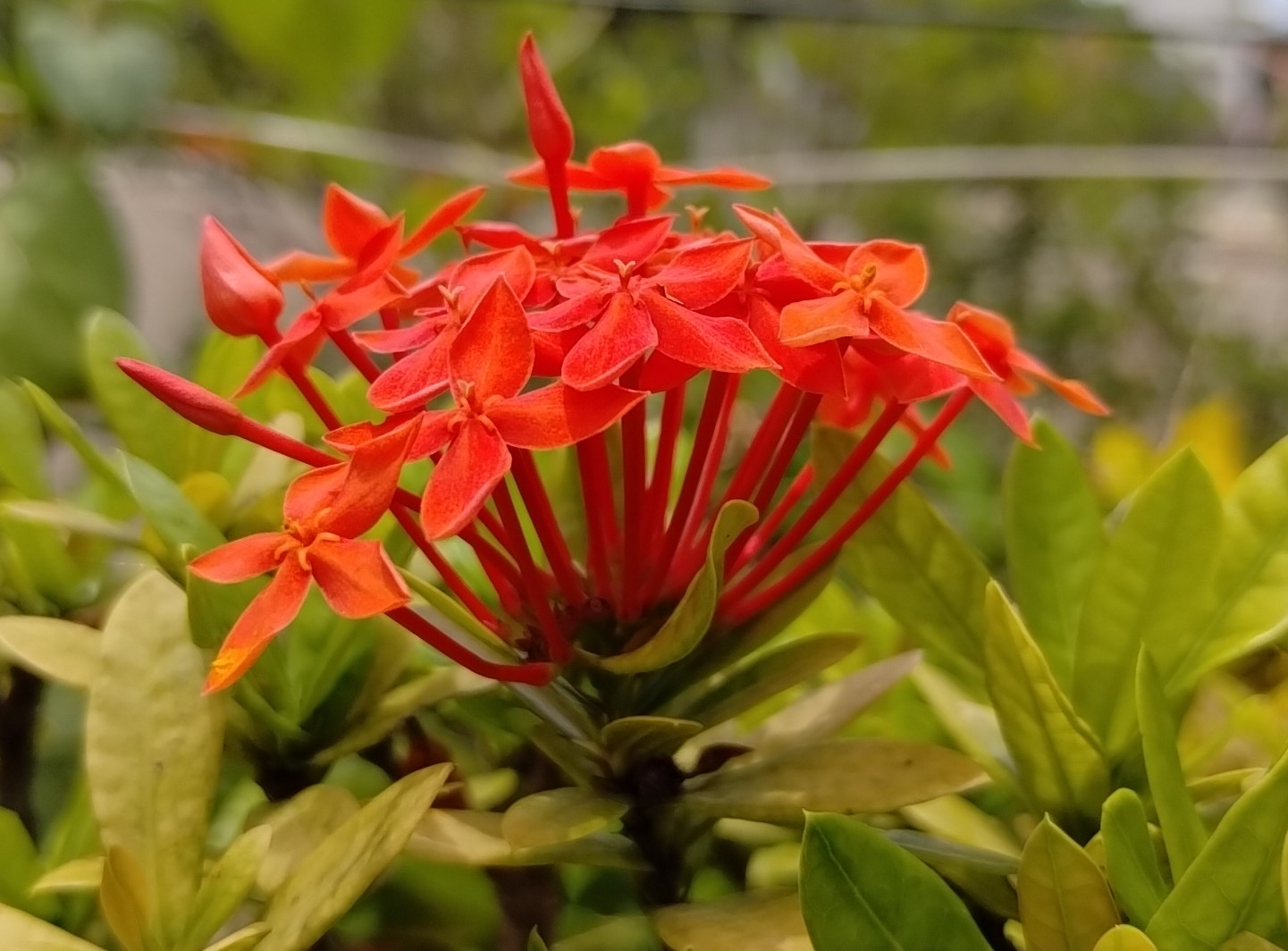
Ixora
Ixora coccinea
Vibrant tropical shrub featuring dense, rounded clusters of small, tubular flowe...
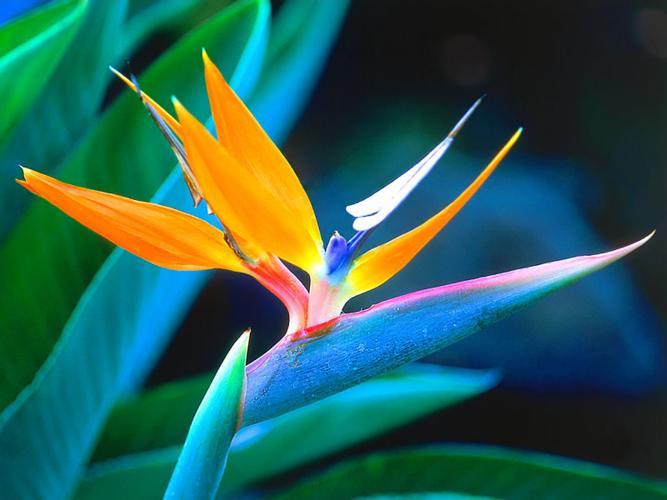
Bird of Paradise
Strelitzia reginae
Spectacular tropical perennial featuring exotic flowers that resemble a brightly...