
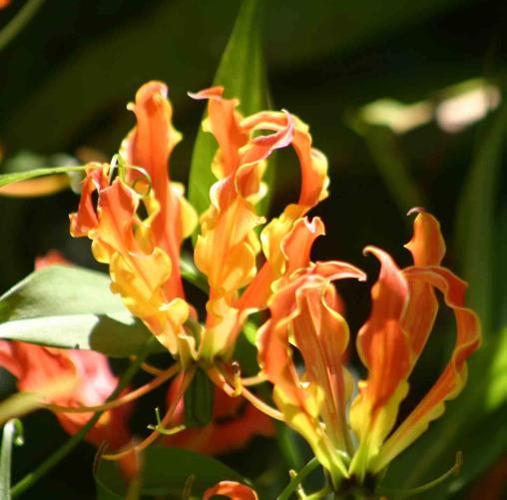
Fire Lily
Gloriosa superba
Basic Details
Floral Formula & Features
Ebracteate (no bracts), bilaterally symmetrical (zygomorphic due to reflexed tepals), bisexual, 6 tepals in 2 whorls of 3 (perianth, no distinction between sepals and petals), 6 stamens in 2 whorls of 3, 3 fused carpels with superior ovary
- Name 'Gloriosa' from Latin 'gloriosus' (glorious) for spectacular flowers. 'Superba' means superb or splendid. 'Fire Lily' and 'Flame Lily' describe flame-like appearance. 'Tiger Claw' and 'Cat's Claw' refer to reflexed petals. State flower of Tamil Nadu. National flower of Zimbabwe. Only genus in Colchicaceae that climbs
- Flowers 3-4 inches (7.5-10 cm) across with 6 tepals (no distinction between sepals and petals). Tepals dramatically reflexed (curved backward) with wavy, crimped edges. Colors include red, orange, yellow, and bicolors (often red-orange with yellow bases). Six prominent stamens with large anthers. Blooms summer through fall (June-October)
- Tuberous perennial climber, unique among lilies. Climbs 6-8 feet using modified leaf tips (tendrils). Blooms on current season's growth. Goes dormant in winter; tubers must be lifted in cold climates. Flowers followed by seed capsules. Takes 2-3 years from seed to first bloom
- Climbs 5-8 feet (1.5-2.5 m) tall. Tubers V-shaped, 2-4 inches long. Lifespan of tubers 10-40+ years with proper care. Propagated from tubers (plant horizontally), offsets, or seed. Handle tubers carefully—extremely brittle and toxic
- Native to tropical Africa (from Senegal to South Africa) and tropical Asia (India, Sri Lanka, Southeast Asia). Found in forests, thickets, and grasslands. Now naturalized in Australia, Pacific Islands, and parts of Americas. Endangered in some native habitats due to over-collection
- Requires full sun to partial shade (at least 6 hours sun). Prefers rich, well-drained soil. Needs support for climbing (trellis, fence). Water regularly during growth; reduce in dormancy. Plant tubers horizontally 2-3 inches deep in spring. Lift and store in cold climates. Zones 8-11
- Stunning ornamental for tropical gardens and containers. All parts extremely toxic—contains colchicine (similar to autumn crocus). Causes vomiting, diarrhea, organ failure if ingested. Fatal to humans and animals. Used in traditional medicine (Ayurveda) with extreme caution for gout, snakebites. Source of colchicine for gout treatment. Endangered in wild. Wear gloves when handling
Names in Different Languages
What is Floral Formula?
A floral formula is a symbolic representation of a flower's structure using letters, numbers, and special symbols. It provides a concise way to describe the arrangement and number of floral parts.
This formula describes the flower's symmetry, sepals, petals, stamens, and carpels in a standardized format.
Formula Sequence
- Bract: Br or Ebr
- Bracteole: Brl or Ebrl
- Symmetry: % (Radial) or ⊕ (Bilateral)
- Sex: ♀ (Female), ♂ (Male), or ⚥ (Bisexual)
- Calyx/Sepal: K<number> (Free or Fused)
- Corolla/Petal: C<number> (Free or Fused)
- Androecium: A<number> (Free or Fused)
- Gynaecium: G<number> (Superior or Inferior Ovary)
Symbol Meanings
- Numbers: Indicate quantity of parts
- Parentheses (): Parts are fused together
- Plus (+): Parts in different whorls
- Underline: Superior ovary position
- Overline: Inferior ovary position
- ∞: Numerous parts (too many to count)
Understanding floral formulas helps botanists quickly identify and classify flowers based on their structural characteristics.
Similar Flowers
Discover flowers that share botanical characteristics
Similar Characteristics
4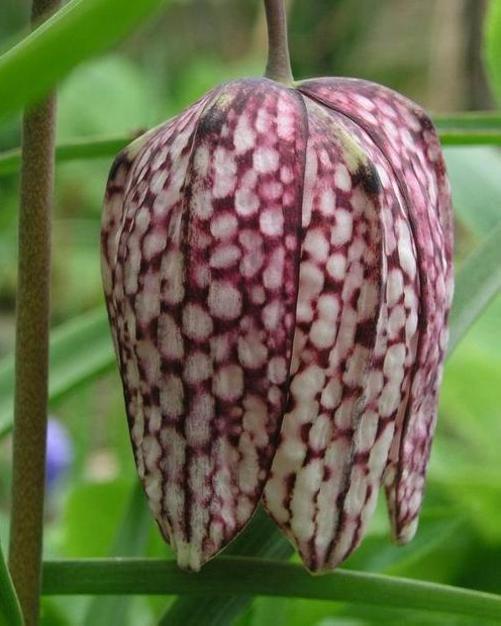
Fritillaria
Fritillaria
Elegant spring bulb featuring distinctive nodding, bell-shaped flowers, many wit...
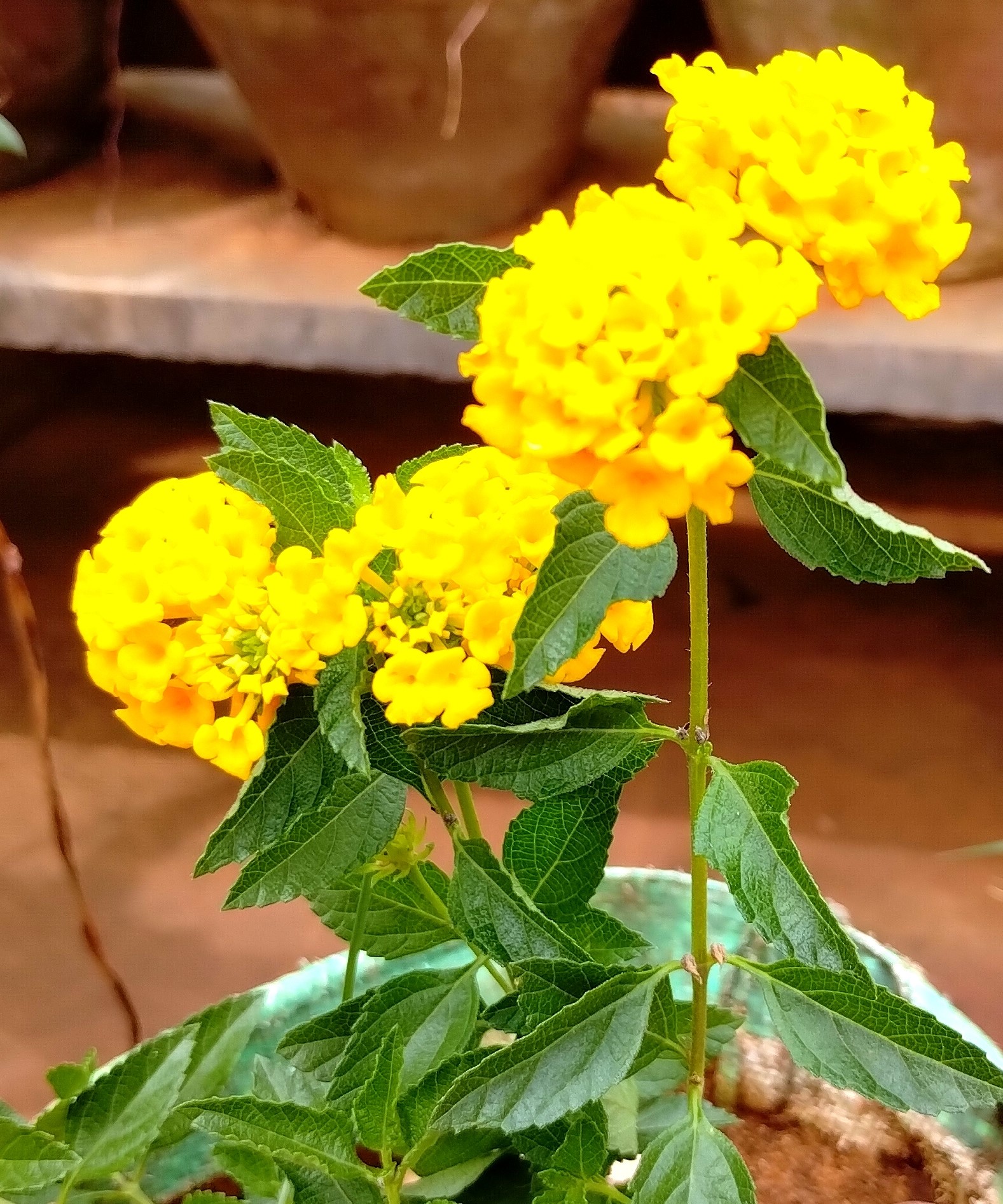
Lantana Camara
Lantana camara
Vigorous tropical shrub renowned for its dense, rounded clusters of tiny tubular...
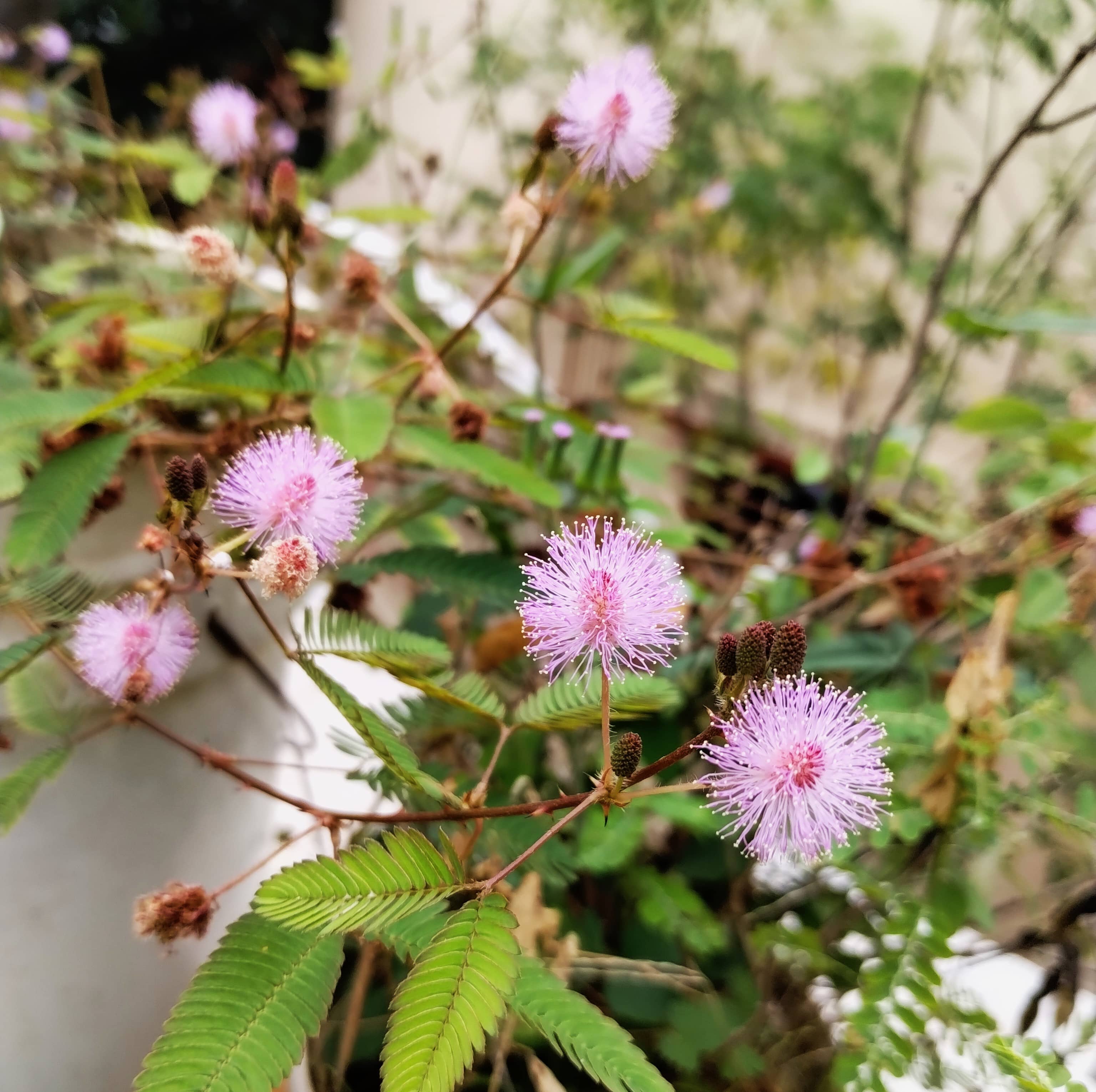
Touch Me Not
Mimosa pudica
Fascinating plant famous for its rapid leaf-folding response when touched, shake...
Hibiscus
Hibiscus rosa-sinensis
Spectacular tropical shrub featuring enormous, trumpet-shaped flowers with five ...