
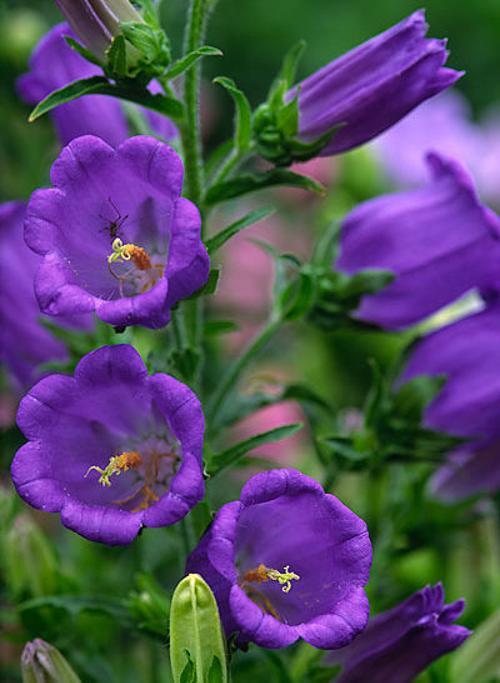
Canterbury bells
Campanula medium
Basic Details
Floral Formula & Features
Ebracteate (no bracts), radially symmetrical (actinomorphic), bisexual, 5 fused sepals forming calyx tube, 5 fused petals forming bell-shaped corolla, 5 free stamens, 3 fused carpels with inferior ovary
- Name 'Campanula' from Latin 'campana' meaning 'bell,' referring to distinctive bell-shaped flowers. 'Canterbury Bells' named for resemblance to bells of Canterbury Cathedral in England. 'Medium' indicates intermediate size compared to other Campanula species
- Large bell-shaped flowers 1-1.5 inches (2.5-4 cm) wide and 2 inches (5 cm) long, arranged in tall racemes. Single forms have simple bells; 'Cup and Saucer' (var. calycanthema) has double-layered blooms with enlarged calyx forming saucer beneath bell. Colors include blue, violet, pink, white, and bicolors
- True biennial completing life cycle over 2 years. First year forms basal rosette of leaves; second year produces flowering stalk, blooms May-July, sets seed, then dies. Some varieties behave as short-lived perennials. Self-seeds readily for continuous display
- Grows 2-3 feet (60-90 cm) tall, dwarf varieties 1-1.5 feet (30-45 cm), with 1-2 foot (30-60 cm) spread. Lifespan of 2 years (biennial cycle). Propagated from seed sown in late spring/early summer (germinates in 14-21 days, requires light)
- Native to southern France and north-central Italy, particularly rocky slopes and mountainous regions. Now widely cultivated in temperate gardens worldwide, naturalized in parts of Europe and North America
- Prefers full sun to partial shade with at least 6 hours of sunlight. Requires consistently moist, well-drained, fertile soil rich in organic matter. Performs best in cool climates. Stake tall varieties to prevent flopping. Deadhead to prolong blooming
- Excellent cut flower lasting 7-10 days in vase. Attracts bees, butterflies, and hummingbirds. Deer and rabbit resistant. Popular in cottage gardens, formal borders, and cutting gardens. To maintain continuous display, sow seeds annually for biennial succession
Names in Different Languages
What is Floral Formula?
A floral formula is a symbolic representation of a flower's structure using letters, numbers, and special symbols. It provides a concise way to describe the arrangement and number of floral parts.
This formula describes the flower's symmetry, sepals, petals, stamens, and carpels in a standardized format.
Formula Sequence
- Bract: Br or Ebr
- Bracteole: Brl or Ebrl
- Symmetry: % (Radial) or ⊕ (Bilateral)
- Sex: ♀ (Female), ♂ (Male), or ⚥ (Bisexual)
- Calyx/Sepal: K<number> (Free or Fused)
- Corolla/Petal: C<number> (Free or Fused)
- Androecium: A<number> (Free or Fused)
- Gynaecium: G<number> (Superior or Inferior Ovary)
Symbol Meanings
- Numbers: Indicate quantity of parts
- Parentheses (): Parts are fused together
- Plus (+): Parts in different whorls
- Underline: Superior ovary position
- Overline: Inferior ovary position
- ∞: Numerous parts (too many to count)
Understanding floral formulas helps botanists quickly identify and classify flowers based on their structural characteristics.
Similar Flowers
Discover flowers that share botanical characteristics
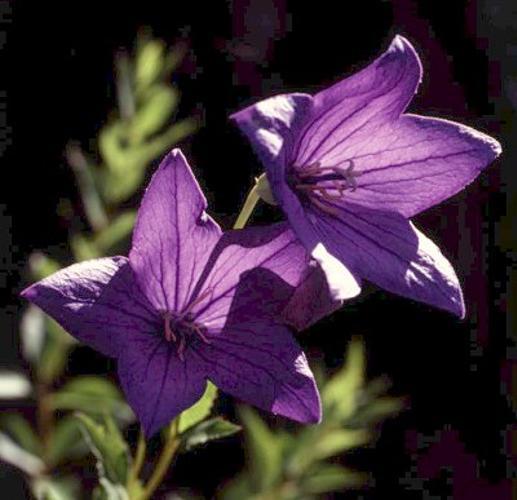
Similar Characteristics
4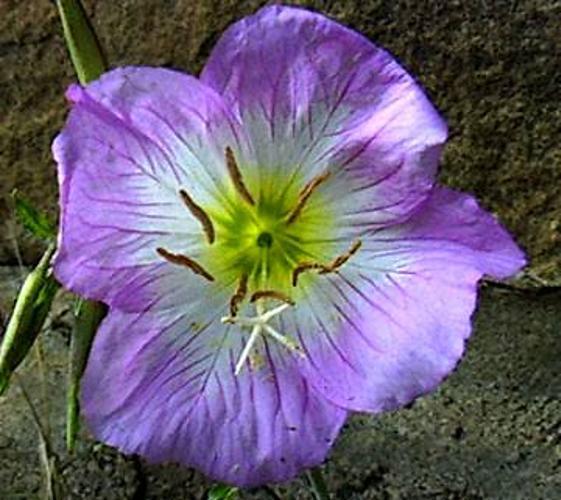
Primrose (Cowslip)
Primula veris
Cheerful spring wildflower with clusters of nodding yellow flowers on tall stems...
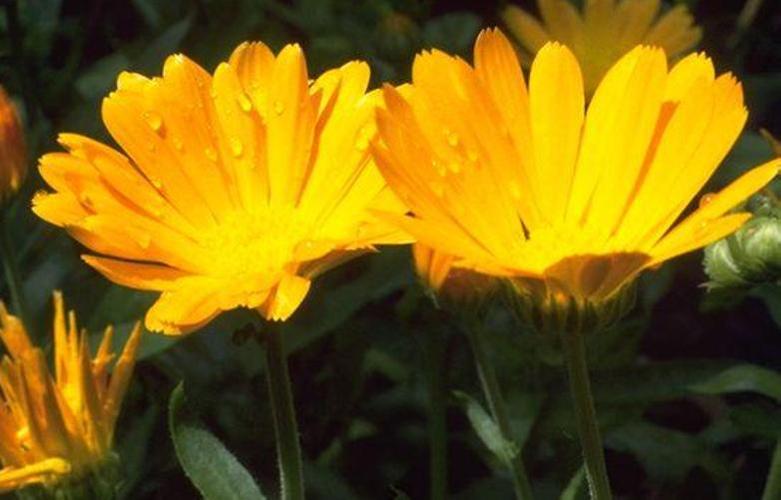
English Marigolds
Calendula officinalis
Cheerful annual featuring bright orange or yellow daisy-like flowers with a dist...
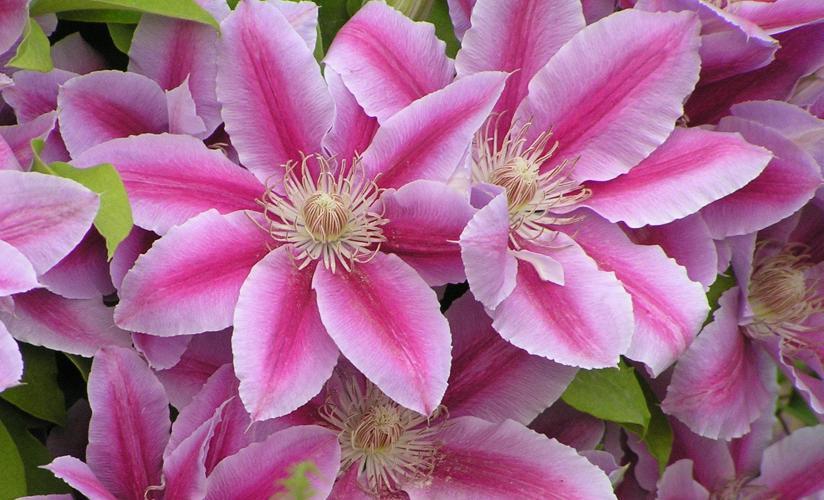
Clematis
Clematis
Spectacular flowering vine featuring large, showy blooms in star or bell shapes ...
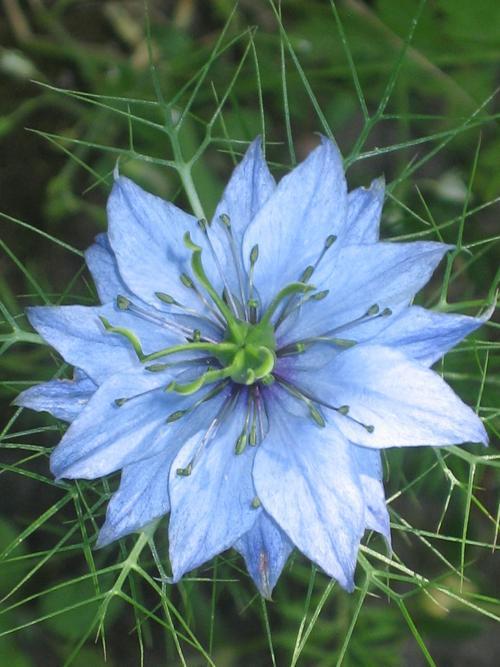
Love in a mist
Nigella damascena
Charming cottage garden annual featuring delicate jewel-like flowers in shades o...