
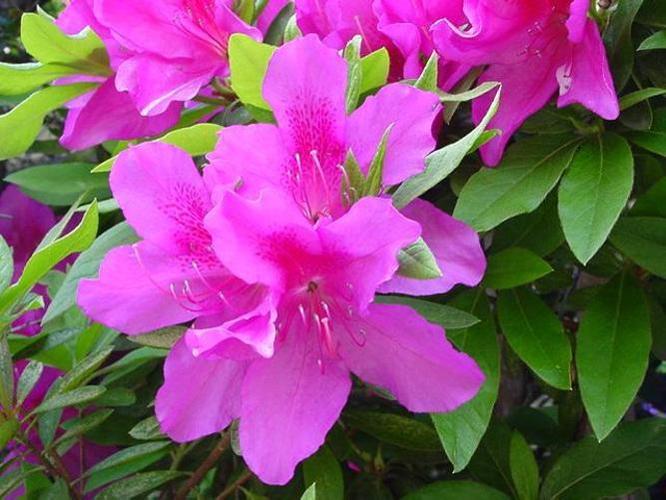
Azalea
Azalea
Basic Details
Floral Formula & Features
Bilaterally symmetrical (slightly zygomorphic), bisexual, 5 free sepals, 5 fused petals forming funnel shape, 5 free stamens (key difference from rhododendrons which have 10+), 5 fused carpels with superior ovary
- Name 'azalea' derives from Greek 'azaleos' meaning dry, referring to the dry, woody stems. Botanically, azaleas are actually Rhododendrons, distinguished by having 5 stamens per flower (vs. 10+ in rhododendrons) and smaller, more delicate blooms
- Funnel or trumpet-shaped flowers with 5 petals (occasionally more in double forms) and prominent stamens extending beyond petals. Blooms appear in clusters of 2-20 flowers at branch tips. Some varieties bloom twice yearly (spring and fall)
- Deciduous azaleas drop leaves in fall (often with brilliant autumn color) and tend to be more cold-hardy and fragrant. Evergreen azaleas retain foliage year-round, bloom later, and offer more compact growth. Both are woody perennial shrubs
- Size ranges from 2-3 feet (dwarf varieties) to 6-8 feet (large varieties) in height and width. Lifespan of 20-50 years or more with proper care. Propagated by cuttings, layering, or grafting
- Native to Asia (China, Japan, Korea), eastern North America, and parts of Europe. Japanese varieties dominate modern cultivars. Deciduous types more common in North America; evergreen types from Asia
- Prefer partial shade to dappled sunlight (morning sun, afternoon shade ideal). Require acidic soil (pH 4.5-6.0) rich in organic matter. Need consistent moisture but excellent drainage. Shallow roots benefit from mulch
- All parts toxic if ingested, containing grayanotoxins harmful to humans and pets. Attract hummingbirds, butterflies, and bees. Deer resistant. Some varieties produce 'mad honey' if bees collect nectar. Popular for bonsai cultivation
Names in Different Languages
What is Floral Formula?
A floral formula is a symbolic representation of a flower's structure using letters, numbers, and special symbols. It provides a concise way to describe the arrangement and number of floral parts.
This formula describes the flower's symmetry, sepals, petals, stamens, and carpels in a standardized format.
Formula Sequence
- Bract: Br or Ebr
- Bracteole: Brl or Ebrl
- Symmetry: % (Radial) or ⊕ (Bilateral)
- Sex: ♀ (Female), ♂ (Male), or ⚥ (Bisexual)
- Calyx/Sepal: K<number> (Free or Fused)
- Corolla/Petal: C<number> (Free or Fused)
- Androecium: A<number> (Free or Fused)
- Gynaecium: G<number> (Superior or Inferior Ovary)
Symbol Meanings
- Numbers: Indicate quantity of parts
- Parentheses (): Parts are fused together
- Plus (+): Parts in different whorls
- Underline: Superior ovary position
- Overline: Inferior ovary position
- ∞: Numerous parts (too many to count)
Understanding floral formulas helps botanists quickly identify and classify flowers based on their structural characteristics.
Similar Flowers
Discover flowers that share botanical characteristics
Similar Characteristics
4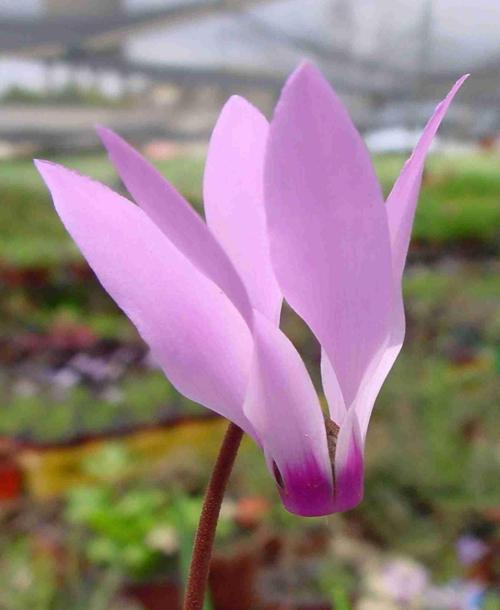
Cyclamen
Cyclamen persicum
Charming tuberous perennial featuring distinctive butterfly-like flowers with sw...
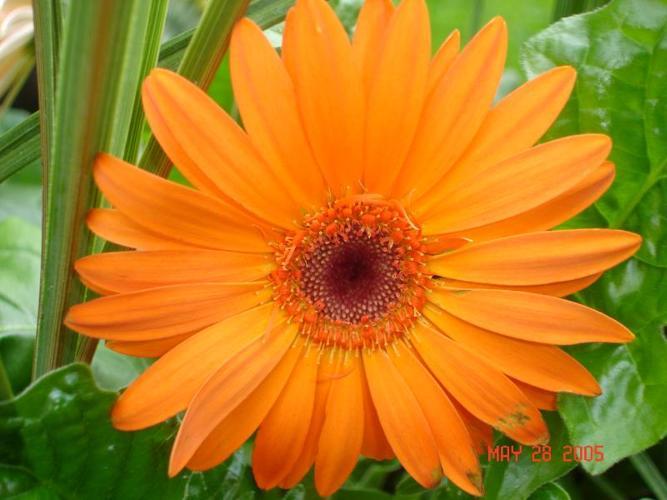
Barberton Daisy
Gerbera jamesonii
Cheerful composite flower featuring large, daisy-like blooms with vibrant ray pe...
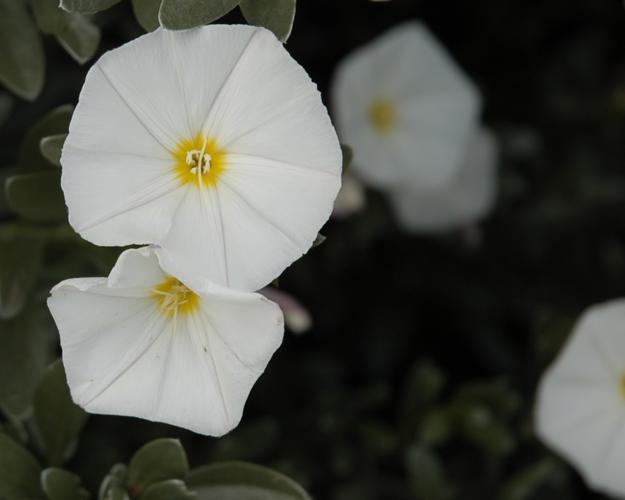
Silverbush
Convolvulus cneorum
Compact evergreen shrub prized for stunning silvery-green foliage that shimmers ...
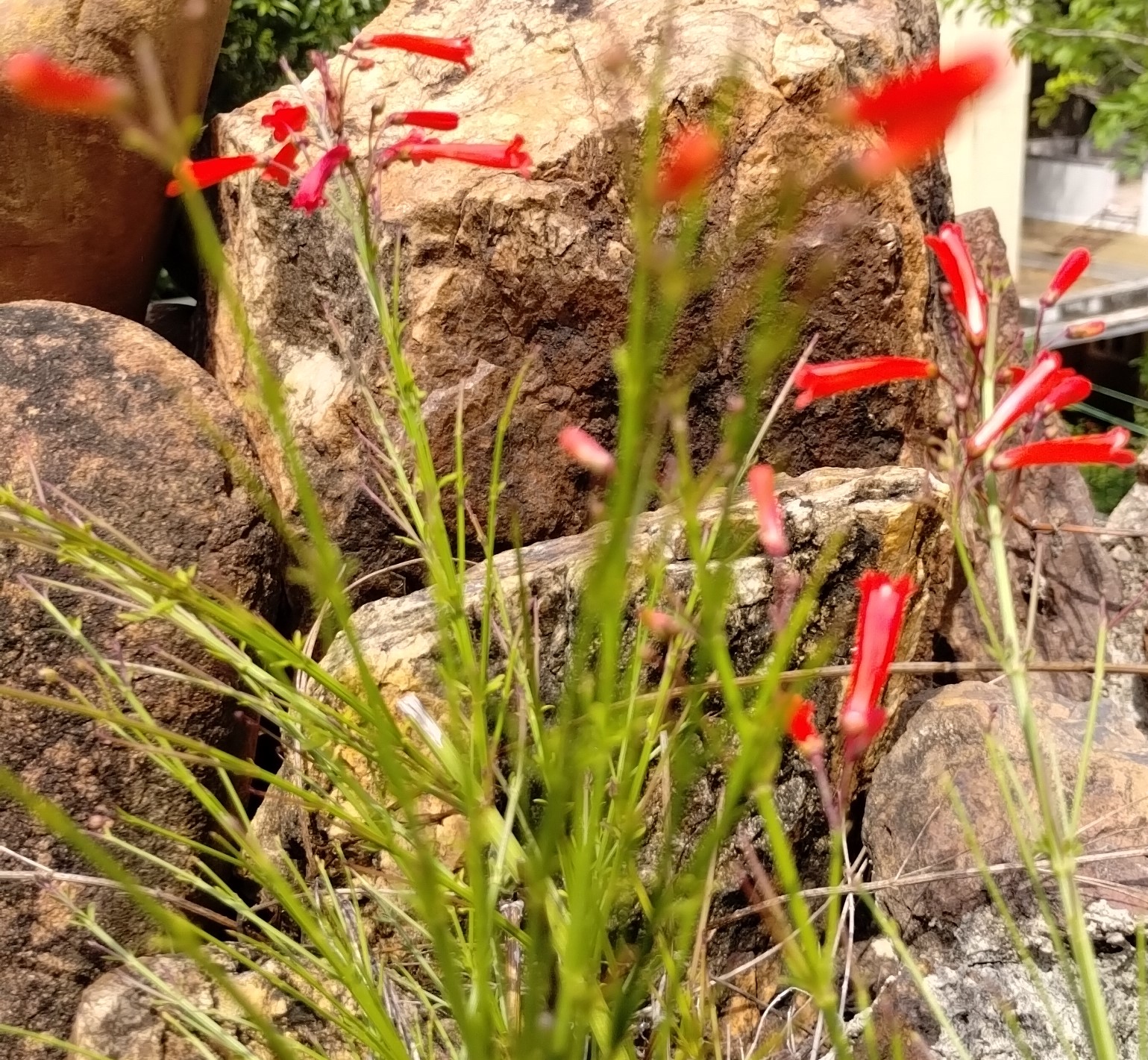
Russelia
Russelia equisetiformis
Spectacular tropical subshrub renowned for its graceful, cascading habit and pro...