
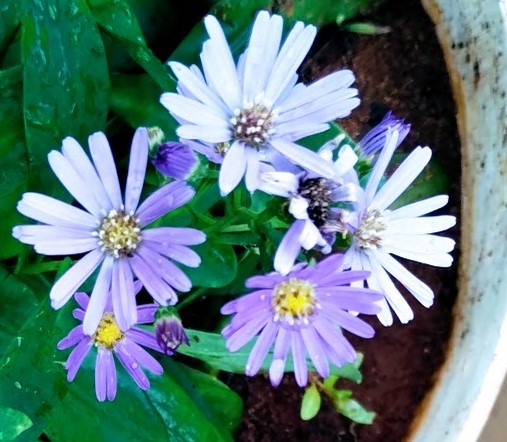
Aster
aster
Basic Details
Floral Formula & Features
This formula indicates a % (Zygomorphic) with Bilateral symmetry, K(0) represents the calyx (sepals) is absent, C(5) represents the corolla with five petals, A(5) represents the androecium with five stamens, G(2) represents the gynoecium of two carpels, and an inferior ovary
- Named after the Greek word 'Aster', meaning 'star,' because the shape of its flower heads resembles a star
- Daisy, with delicate petals radiating from a central yellow disk
- It is a perennial flowering plant
- Grows to be a height of 1 - 4 feet and with lifespan of 3 - 4 years
- Native to Eurasia, Northern Hemisphere, North America and found in Europe, and Asia
- Need at least six to eight hours of bright sunlight daily, tolerate partial shade, and prefer moist, well-draining soil
Names in Different Languages
What is Floral Formula?
A floral formula is a symbolic representation of a flower's structure using letters, numbers, and special symbols. It provides a concise way to describe the arrangement and number of floral parts.
This formula describes the flower's symmetry, sepals, petals, stamens, and carpels in a standardized format.
Formula Sequence
- Bract: Br or Ebr
- Bracteole: Brl or Ebrl
- Symmetry: % (Radial) or ⊕ (Bilateral)
- Sex: ♀ (Female), ♂ (Male), or ⚥ (Bisexual)
- Calyx/Sepal: K<number> (Free or Fused)
- Corolla/Petal: C<number> (Free or Fused)
- Androecium: A<number> (Free or Fused)
- Gynaecium: G<number> (Superior or Inferior Ovary)
Symbol Meanings
- Numbers: Indicate quantity of parts
- Parentheses (): Parts are fused together
- Plus (+): Parts in different whorls
- Underline: Superior ovary position
- Overline: Inferior ovary position
- ∞: Numerous parts (too many to count)
Understanding floral formulas helps botanists quickly identify and classify flowers based on their structural characteristics.
Similar Flowers
Discover flowers that share botanical characteristics
Same Family
4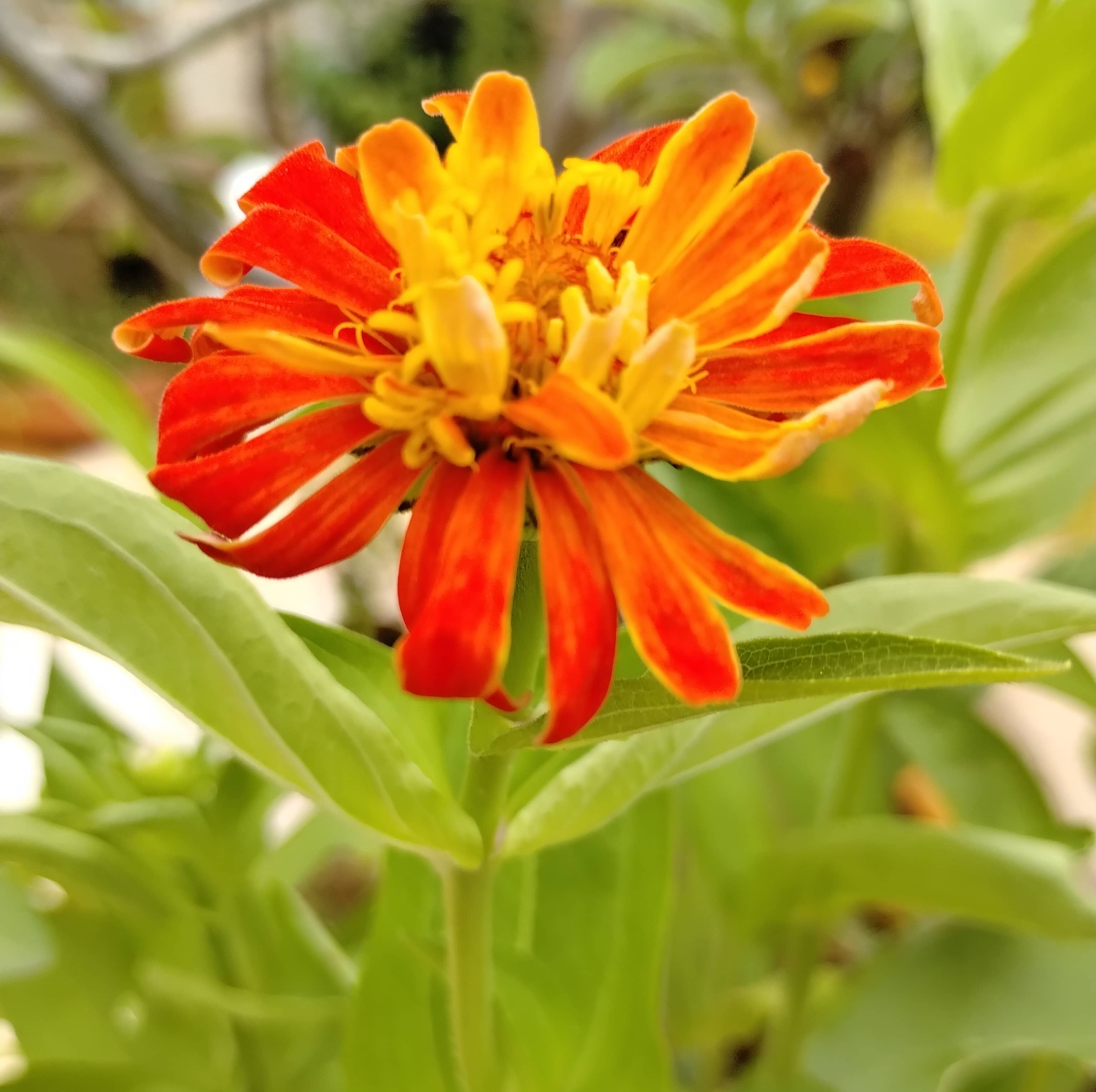
Zinnia
Zinnia
They belong to the same family as Daisy. Zinnia have a stunning range of shapes ...
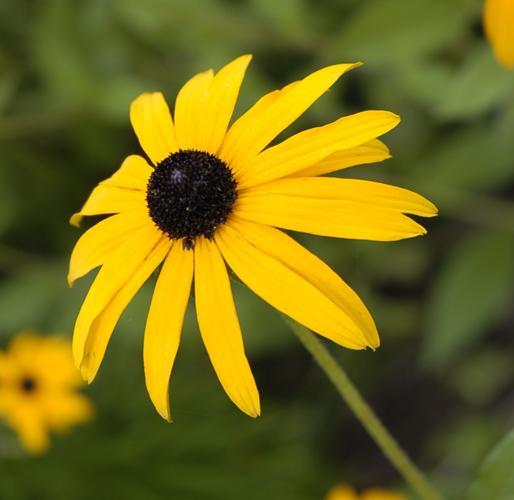
Black eyed Susan
Rudbeckia hirta
Cheerful native wildflower featuring bright golden-yellow ray petals surrounding...
Daisy
Bellis perennis
Charming perennial featuring classic white ray florets (petals) surrounding a br...
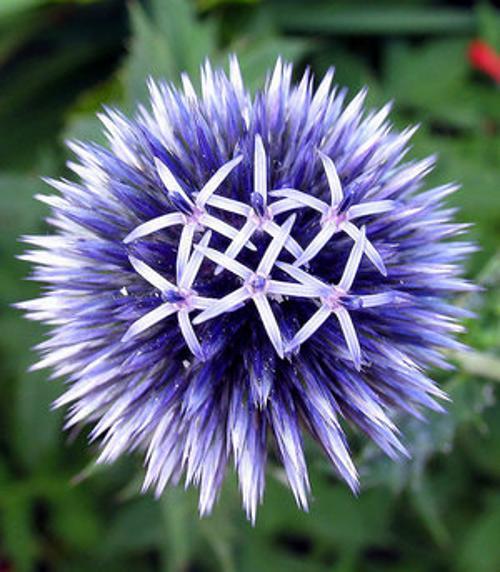
Globe Thistle
Echinops
Striking architectural perennial featuring perfectly spherical, spiky flower hea...