
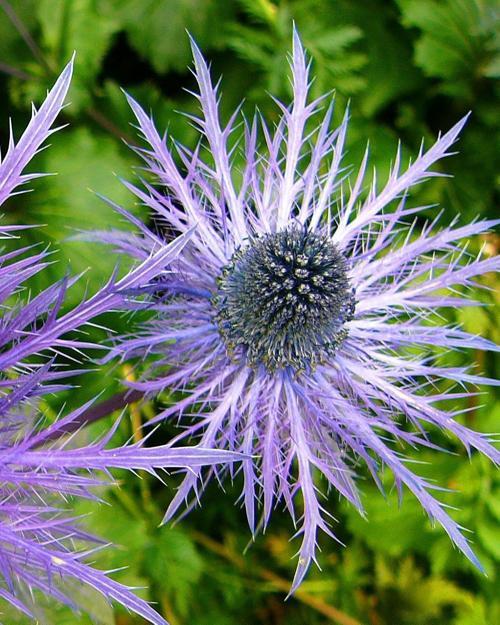
Alpine Sea Holly
Eryngium alpinum
Basic Details
Floral Formula & Features
Ebracteate (no bracts), Actinomorphic (radially symmetrical), bisexual, 5 free sepals, 5 free petals, 5 free stamens, 2 fused carpels with inferior ovary
- The genus name 'Eryngium' derives from Greek, possibly meaning 'to belch' due to its traditional use for digestive ailments. Called 'Queen of the Alps' for its majestic appearance
- Distinctive cone-shaped flower heads (umbels) with tiny blue-purple flowers surrounded by large, spiny, silvery-blue bracts that resemble a collar
- Herbaceous perennial that blooms in summer (June-August). Flowers retain color when dried, making them popular for arrangements
- Grows to 1-2.5 feet (30-80 cm) in height. Lifespan of 3-5 years. Propagated by seed or root division in spring
- Native to European Alps, found in mountainous regions of Switzerland, Austria, France, Italy, Croatia, and Slovenia at elevations of 1,500-2,500 meters
- Thrives in full sun requiring 6+ hours of direct sunlight. Drought-tolerant, prefers well-drained, rocky or sandy soil. Cold-hardy to -20°C
- Attracts bees and butterflies. Deer-resistant due to spiny foliage. Protected species in some Alpine regions due to over-collection
Names in Different Languages
What is Floral Formula?
A floral formula is a symbolic representation of a flower's structure using letters, numbers, and special symbols. It provides a concise way to describe the arrangement and number of floral parts.
This formula describes the flower's symmetry, sepals, petals, stamens, and carpels in a standardized format.
Formula Sequence
- Bract: Br or Ebr
- Bracteole: Brl or Ebrl
- Symmetry: % (Radial) or ⊕ (Bilateral)
- Sex: ♀ (Female), ♂ (Male), or ⚥ (Bisexual)
- Calyx/Sepal: K<number> (Free or Fused)
- Corolla/Petal: C<number> (Free or Fused)
- Androecium: A<number> (Free or Fused)
- Gynaecium: G<number> (Superior or Inferior Ovary)
Symbol Meanings
- Numbers: Indicate quantity of parts
- Parentheses (): Parts are fused together
- Plus (+): Parts in different whorls
- Underline: Superior ovary position
- Overline: Inferior ovary position
- ∞: Numerous parts (too many to count)
Understanding floral formulas helps botanists quickly identify and classify flowers based on their structural characteristics.
Similar Flowers
Discover flowers that share botanical characteristics
Same Family
1
Similar Characteristics
4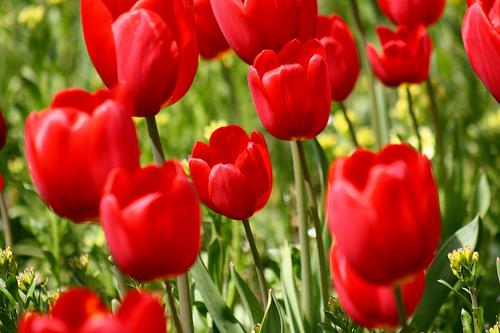
Tulip
Tulipa
Iconic spring-blooming bulb celebrated for its elegant cup-shaped flowers in nea...
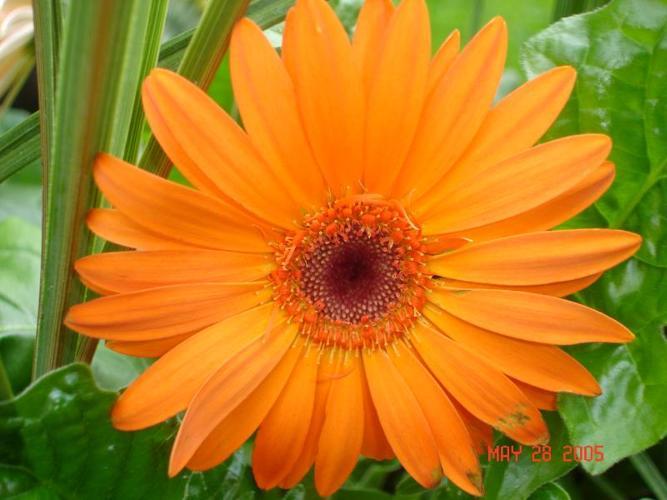
Barberton Daisy
Gerbera jamesonii
Cheerful composite flower featuring large, daisy-like blooms with vibrant ray pe...
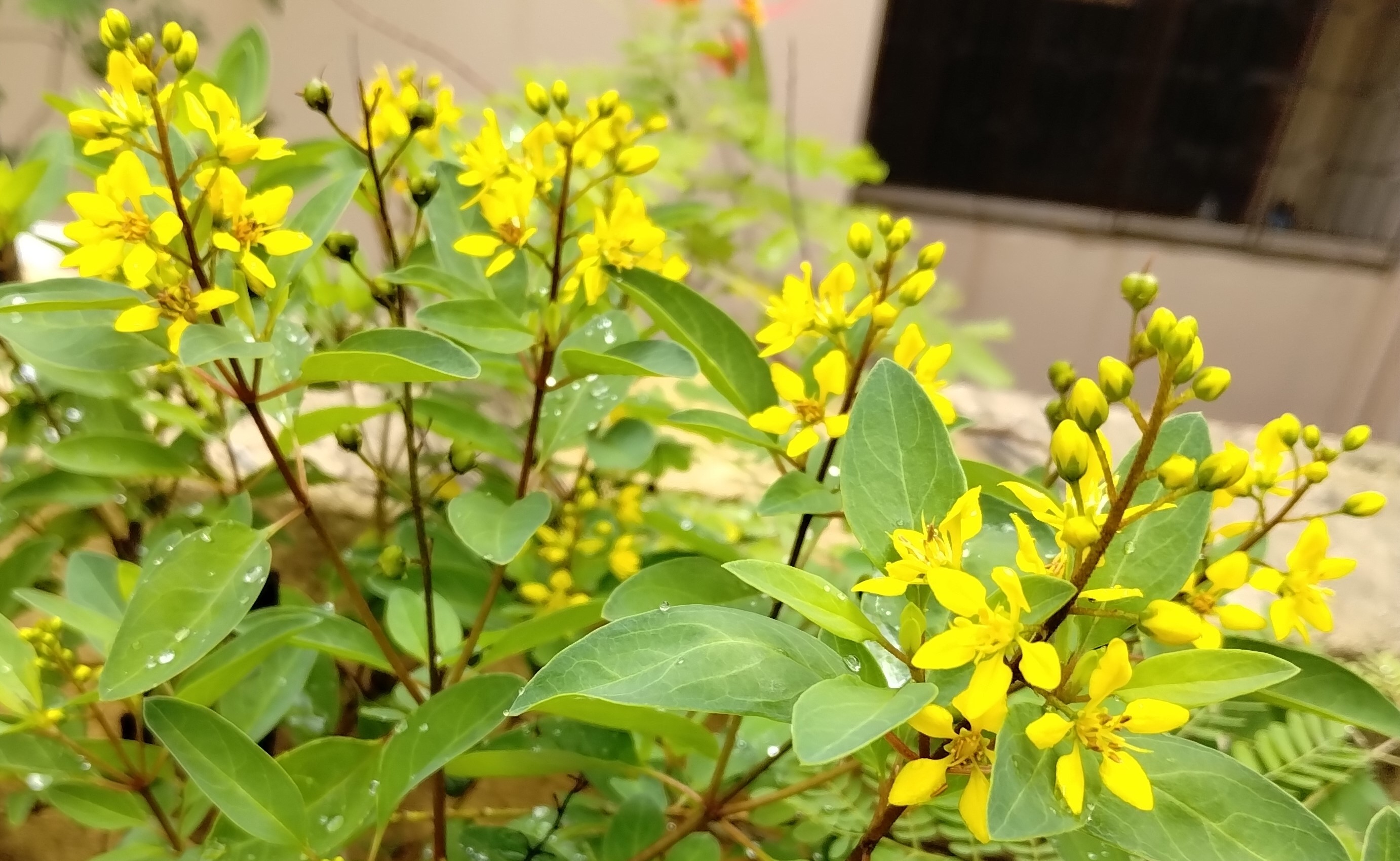
Golden Thryallis
Galphimia gracilis
Delightful evergreen shrub featuring abundant sprays of small, bright golden-yel...
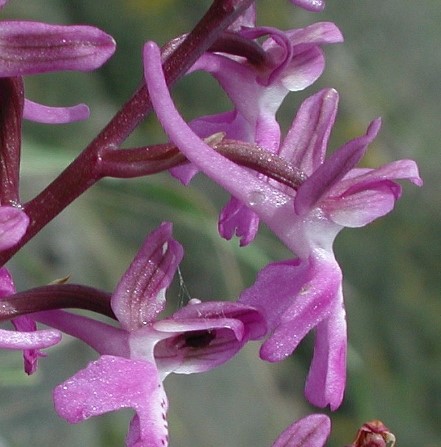
Orchis Orchid
Orchis
Classic terrestrial orchid featuring dense spikes of hooded flowers in shades of...