In busy produce markets, forested trails, and kitchen gardens around the world, a dangerous plant identification mistake is alarmingly easy to make. Some of the most toxic plants in our ecosystem have evolved to look almost indistinguishable from common kitchen vegetables — a phenomenon that leads to hundreds of accidental poisonings every year.
This guide covers 10 high-risk look-alike pairs found across temperate and tropical regions — mapping the safe vegetable against its dangerous twin, and giving you the precise visual, tactile, and olfactory clues that separate them.
Emergency: If you suspect poisoning from any misidentified plant, call your local Poison Control Centre immediately and go to the nearest emergency department. Do NOT induce vomiting unless specifically instructed by a medical professional.
The 10 Most Dangerous Look-Alike Pairs
1. Carrot vs. Wild Hemlock (Conium maculatum)
Wild Hemlock is one of the most lethal plants in the world — and it shares many superficial features with the common carrot. This pair is responsible for numerous fatal poisonings every year, particularly among foragers and hikers.
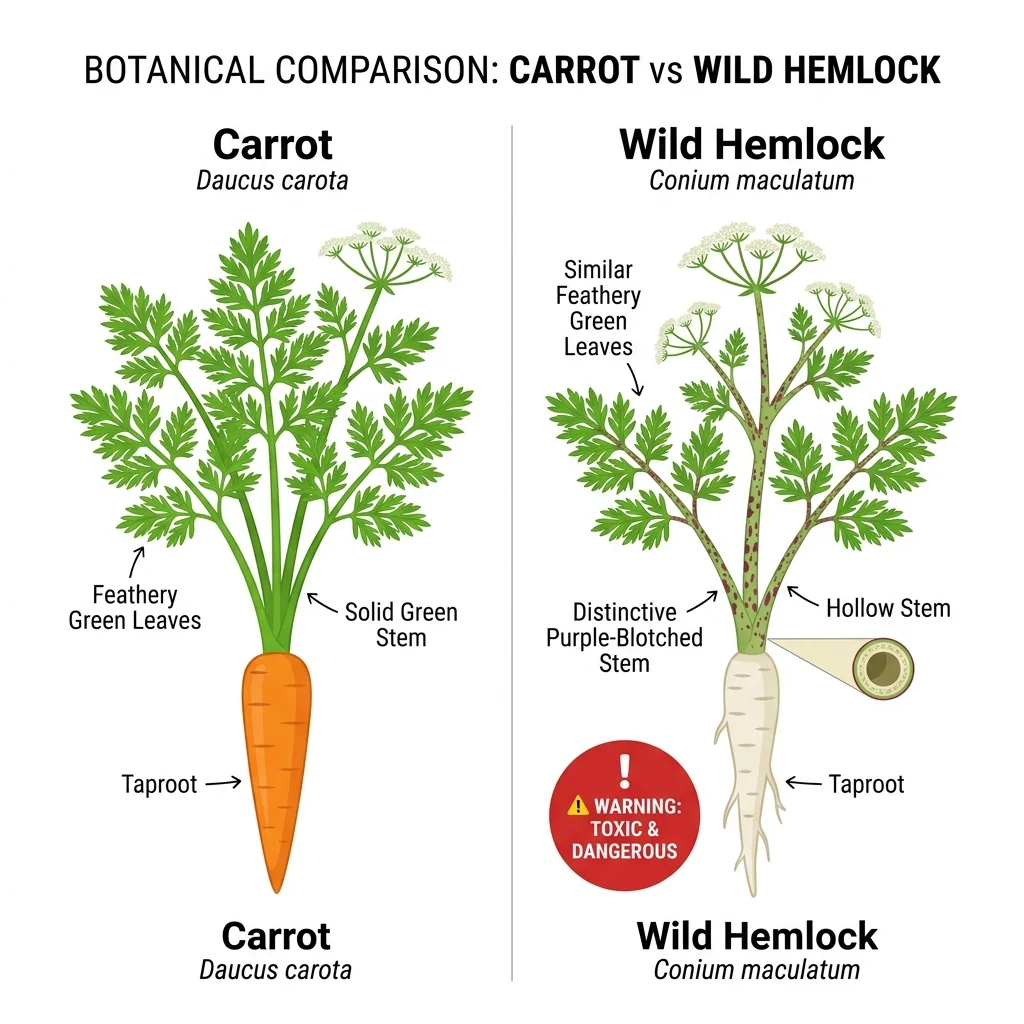
| Feature | Carrot | Wild Hemlock |
|---|---|---|
| Leaves | Feathery, bright green, strong carrot scent | Feathery, dark green, musty unpleasant smell |
| Stem | Solid, green | Purple-blotched, hollow, hairless |
| Root | Firm, orange, sweet smell | White or pale, parsnip-like, almost odourless |
| Danger Level | Safe | 🔴 LETHAL — causes respiratory paralysis |
The Key Test: Crush a small leaf. Carrot leaves smell unmistakably of carrot. Hemlock leaves release a musty, unpleasant odour described as the smell of mice. Never consume a carrot-leafed plant from the wild without this crush test.
Found In: Temperate regions of Europe, North America, western Asia, and South America. Grows on roadsides, riverbanks, and disturbed ground.
2. Eggplant (Aubergine) vs. Bittersweet Nightshade (Solanum dulcamara)
While mature eggplants are unmistakable, the berries of Bittersweet Nightshade are sometimes mistaken for small ornamental eggplant varieties — especially by children.
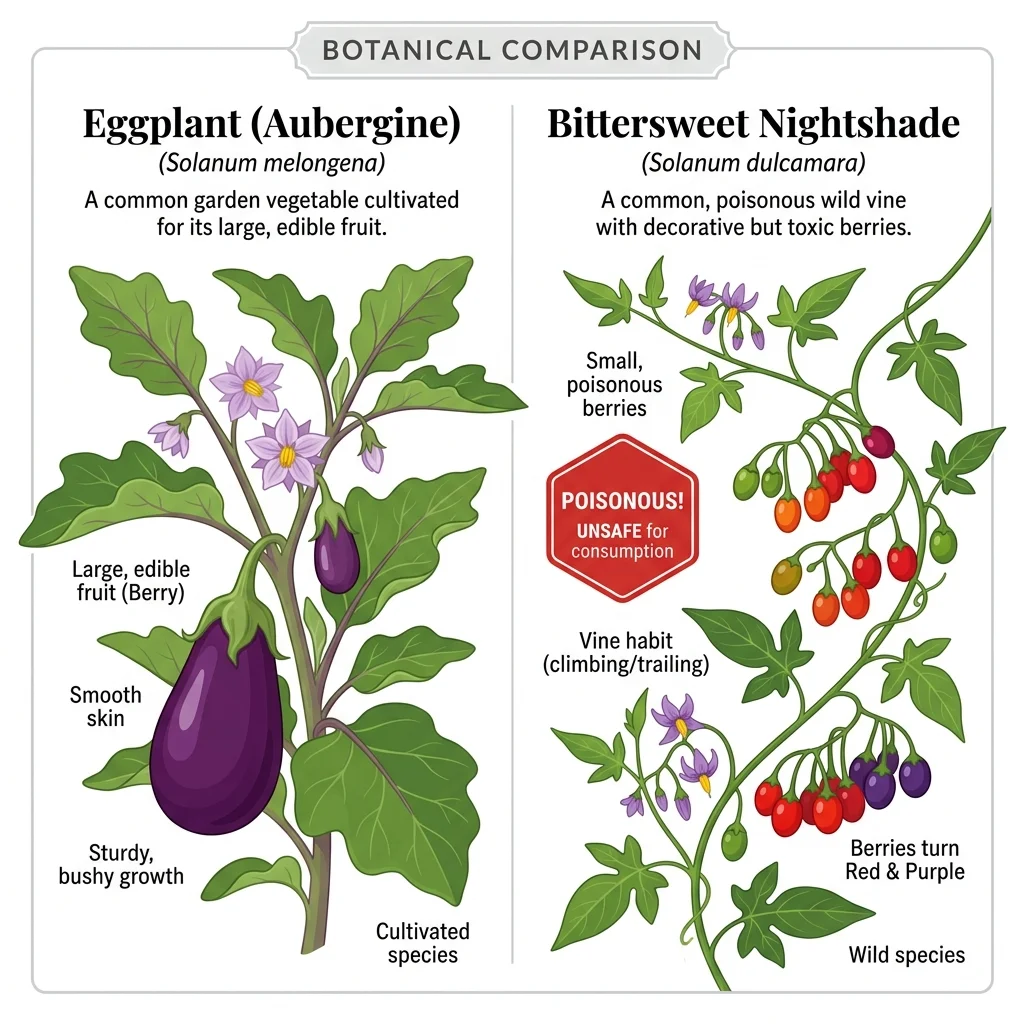
| Feature | Eggplant | Bittersweet Nightshade |
|---|---|---|
| Fruit | Large, smooth, deep purple, firm | Small oval berries, green turning red then purple |
| Stem | Stout, slightly hairy, no thorns | Slender twining vine |
| Leaves | Large, soft, lobed | Smaller, lobed with ear-like base lobes |
| Danger Level | Safe | 🟠 TOXIC — contains solanine; causes vomiting and seizures |
The Key Test: Size and growth habit. Nightshade berries grow in dangling grape-like clusters on a vine. No eggplant variety produces small round red or green berries in clusters.
Found In: Extremely widespread — Europe, North America, Asia, and most temperate regions. Often grows as a weed in gardens and hedgerows.
3. Wild Garlic vs. Lily of the Valley (Convallaria majalis)
This is one of the most documented and dangerous plant mix-ups in European foraging history. Lily of the Valley contains potent cardiac glycosides — lethal even in small quantities.
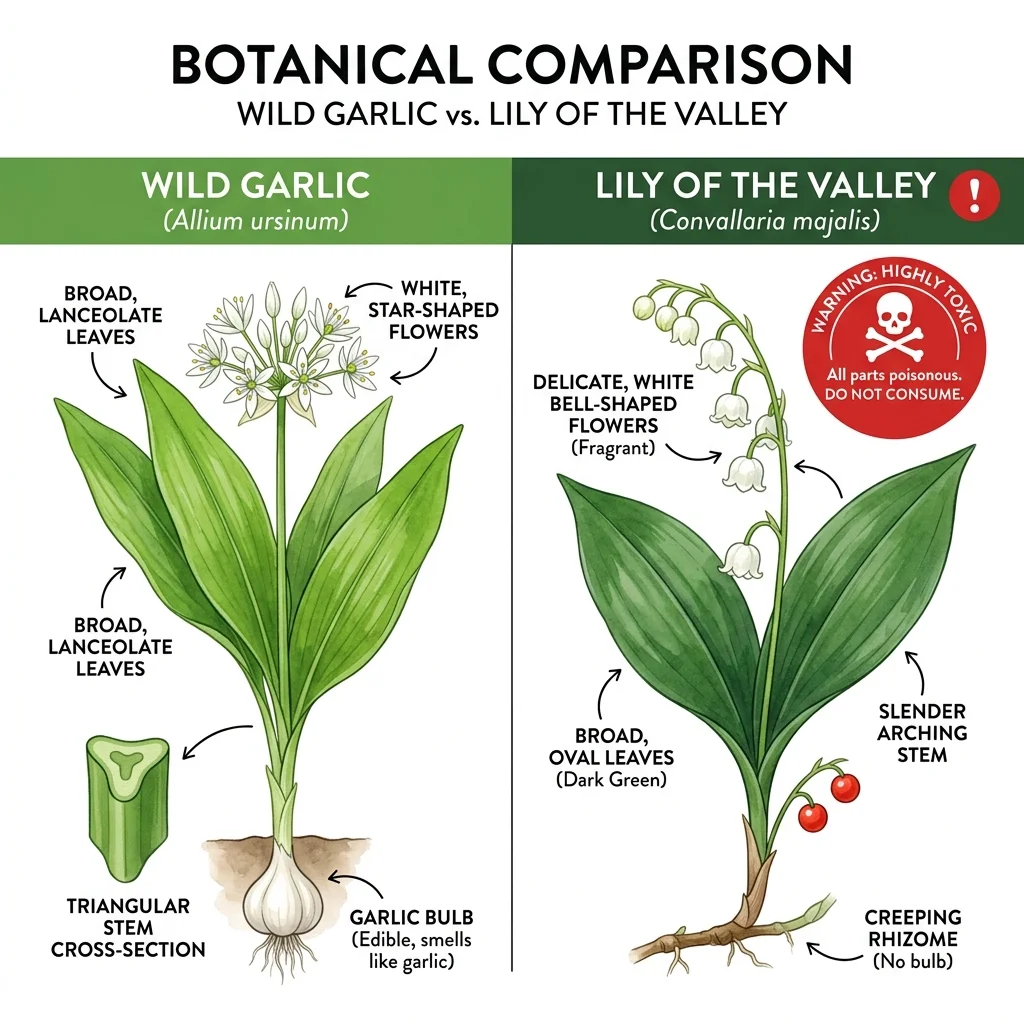
| Feature | Wild Garlic | Lily of the Valley |
|---|---|---|
| Leaves | Broad, bright green, strong garlic smell when crushed | Broad, dark green, completely odourless |
| Stem | Triangular in cross-section | Round in cross-section |
| Flowers | Small white star-shaped clusters | Delicate bell-shaped white flowers on an arching stem |
| Danger Level | Safe (edible) | 🔴 LETHAL — contains cardiac glycosides |
The Key Test: Crush a leaf. Wild garlic releases an unmistakable garlic odour. Lily of the Valley is completely scentless. Both grow in woodland habitats across the UK, Europe, and eastern North America — often side by side.
4. Flat-Leaf Parsley vs. Fool's Parsley (Aethusa cynapium)
Fool's Parsley (Aethusa cynapium) is a common garden weed that closely resembles flat-leaf parsley at early growth stages. It contains cicutoxin-like compounds causing severe neurological symptoms.
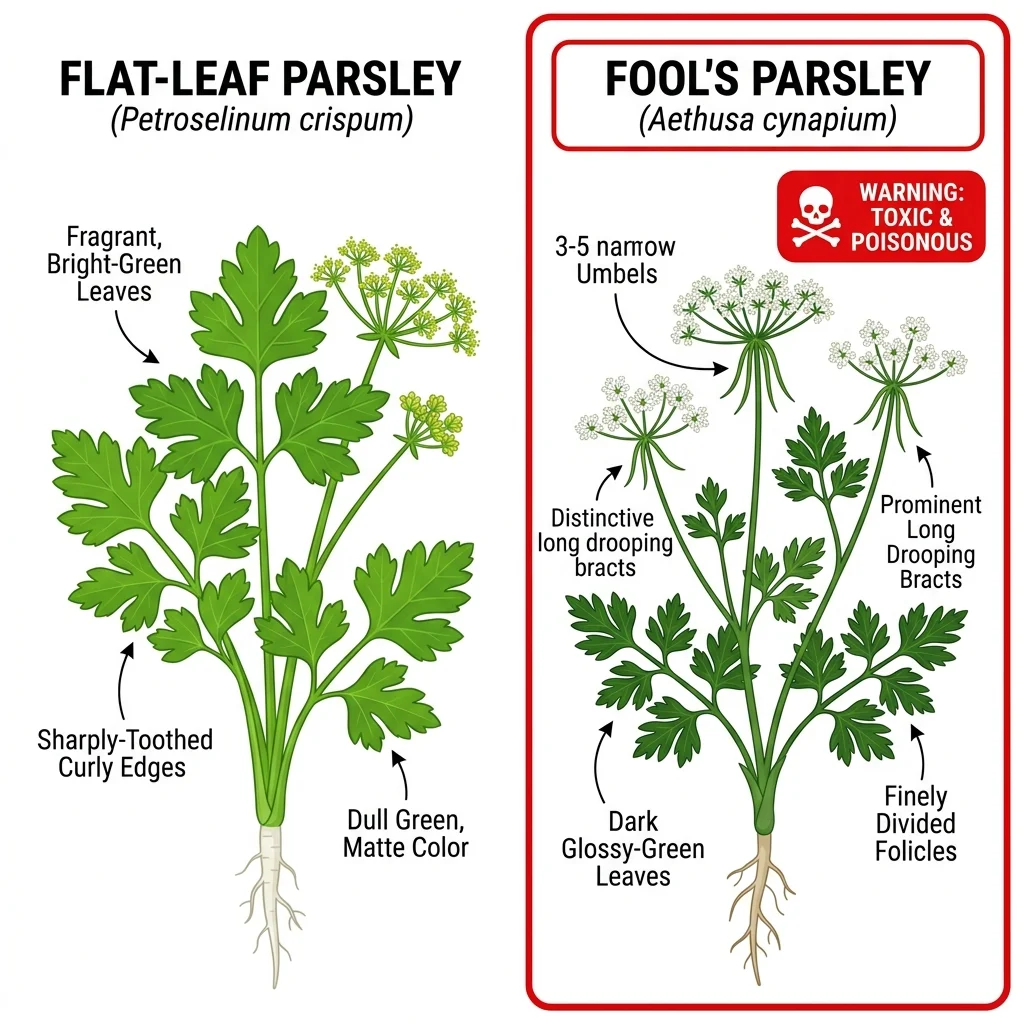
| Feature | Flat-Leaf Parsley | Fool's Parsley |
|---|---|---|
| Smell | Strong, fresh parsley scent | Faint, unpleasant smell when crushed |
| Bracts | Inconspicuous or absent | Long, drooping bracts hanging below flower clusters |
| Leaf Colour | Dull green | Glossy, dark green |
| Danger Level | Safe | 🟠 TOXIC — causes vomiting, vertigo, seizures |
The Key Test: Crush a leaf and smell immediately. True parsley has an unmistakable fresh culinary fragrance. Fool's Parsley smells faintly unpleasant. Also look for the distinctive long, hanging bracts below the flower umbels — unique to Fool's Parsley.
Found In: Widespread weed across Europe and North America, frequently in vegetable gardens and allotments.
5. Button Mushroom vs. Death Cap (Amanita phalloides)
The Death Cap is responsible for the majority of fatal mushroom poisonings worldwide. It contains amatoxins — heat-stable toxins not destroyed by cooking. It looks appealing and reportedly tastes pleasant, making it especially deadly.
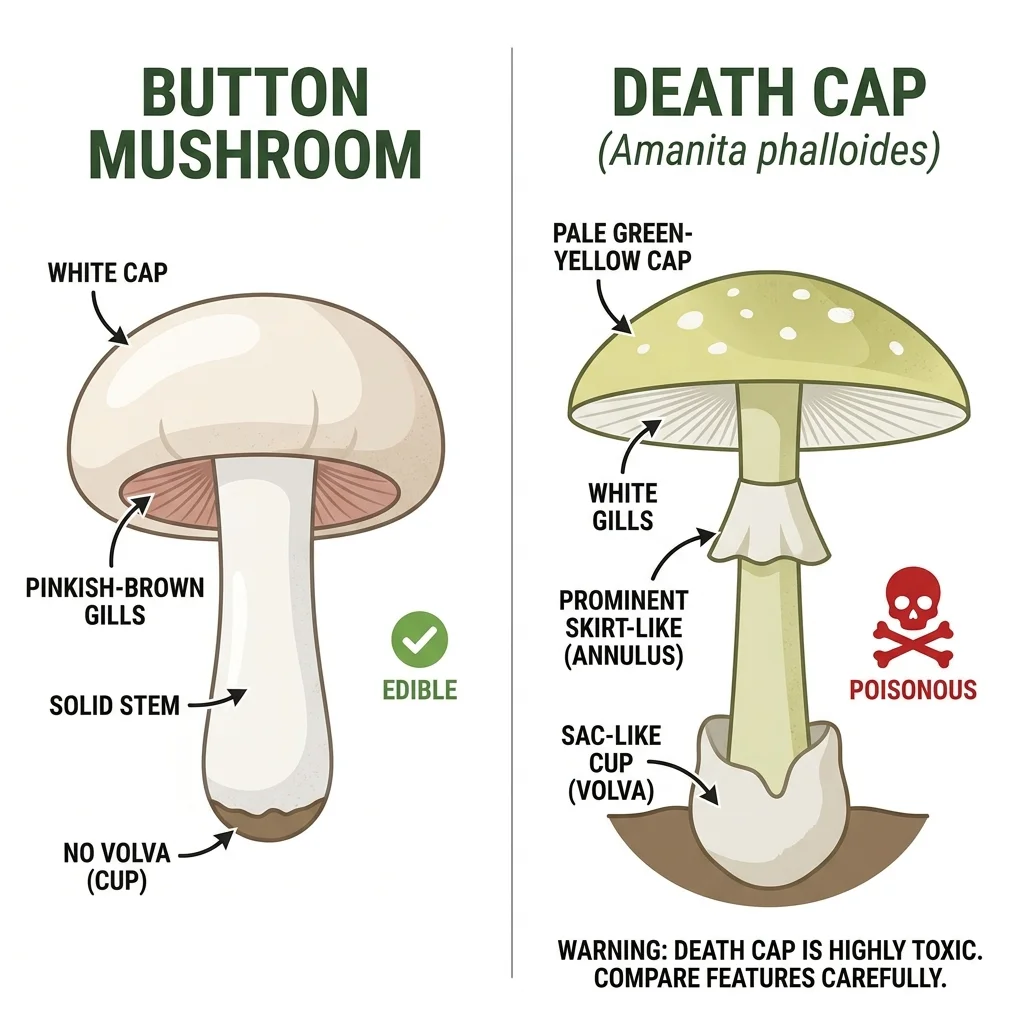
| Feature | Button Mushroom | Death Cap |
|---|---|---|
| Base | No cup at base | Sac-like cup (volva) at base, often underground |
| Gills | Pink or brown when mature | Always white |
| Cap | White to brown | Pale green-yellow to white |
| Ring | Absent | Skirt-like ring on upper stem |
| Danger Level | Safe | 🔴 LETHAL — no antidote exists |
The Golden Rule: Never consume any wild mushroom unless confirmed by a trained mycologist. The most toxic species (Amanita) are also among the most visually attractive.
Found In: Under oak, beech, and pine trees across Europe, North America, Australia, and parts of Asia.
6. Spinach vs. Pokeweed (Phytolacca americana)
Pokeweed grows aggressively in disturbed ground and can appear similar to spinach at early growth stages. All parts of the plant — especially roots and mature berries — are toxic.
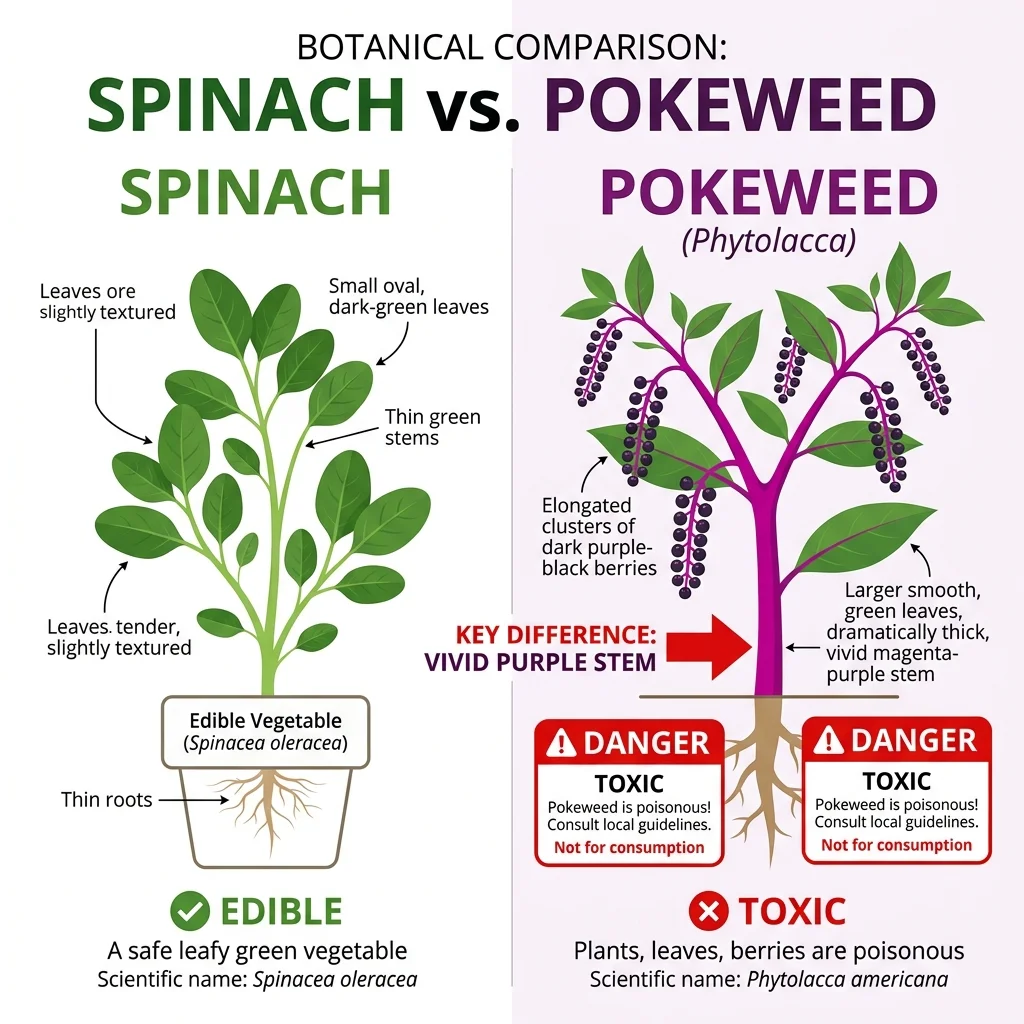
| Feature | Spinach | Pokeweed |
|---|---|---|
| Leaves | Small-medium, oval, soft, mild smell | Large, smooth, unpleasant when crushed |
| Stem | Green, thin | Vivid magenta-purple, thick, fleshy |
| Berries | None | Dark purple-black berries in elongated clusters |
| Danger Level | Safe | 🔴 HIGHLY TOXIC — causes respiratory depression |
The Key Test: The stem colour is definitive. Any leafy green with a thick vivid magenta or dark purple stem is Pokeweed — never spinach.
Found In: Native to eastern North America; now naturalised across Europe, Asia, and parts of Africa.
7. Cucumber vs. Squirting Cucumber (Ecballium elaterium)
The Squirting Cucumber is a toxic Mediterranean plant whose fruit superficially resembles a small hairy cucumber. Its name comes from its explosive seed-dispersal method.
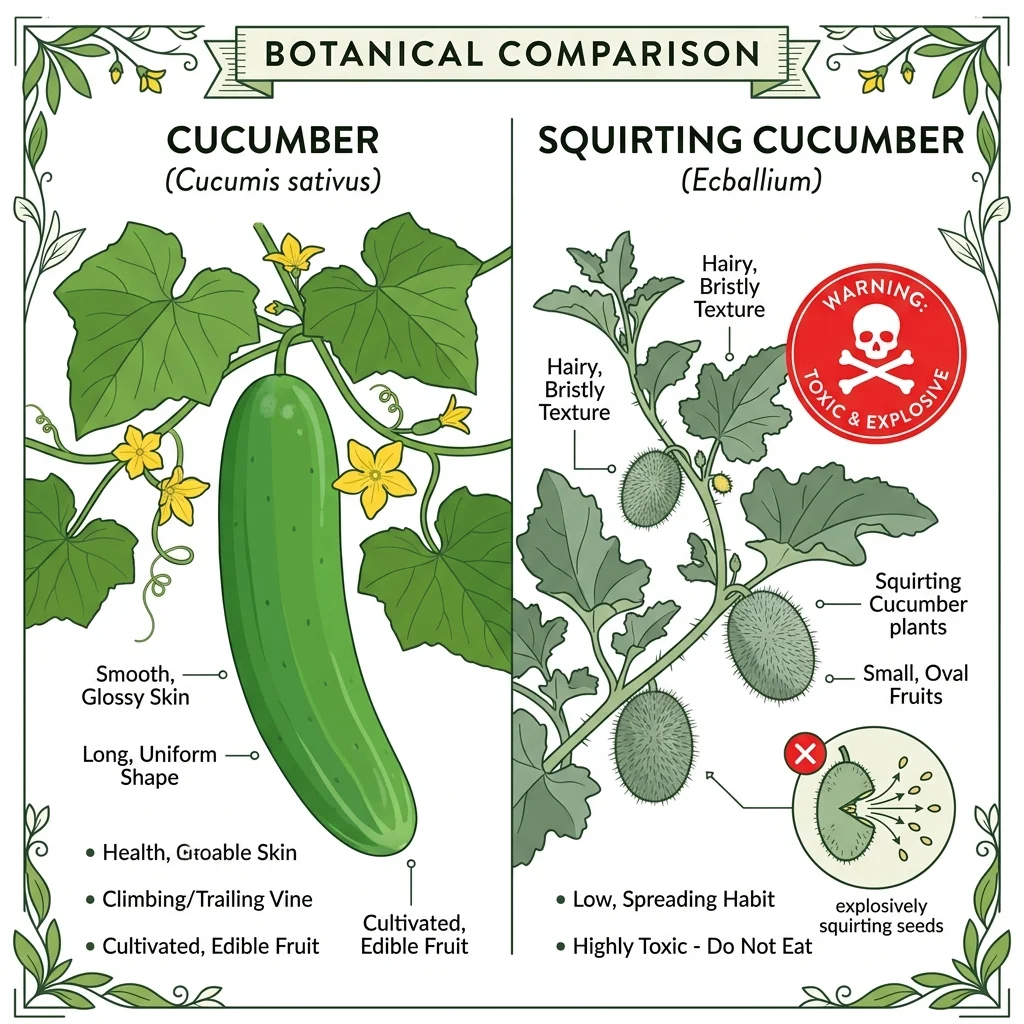
| Feature | Cucumber | Squirting Cucumber |
|---|---|---|
| Fruit | Smooth or slightly ridged, elongated, green | Small, oval, hairy, grey-green with stiff bristles |
| Taste | Mild, watery | Intensely bitter at first bite |
| Attachment | Hangs from a vine | Droops from plant; detaches violently when ripe |
| Danger Level | Safe | 🟠 TOXIC — causes violent diarrhoea, kidney damage |
Found In: Mediterranean region, southern Europe, Middle East, and North Africa.
8. Elderberries vs. Pokeweed Berries (Phytolacca americana)
Ripe black elderberries are popular for syrups and cordials. Pokeweed berries — which ripen to a very similar deep purple-black — are highly toxic and grow in many of the same temperate garden environments.
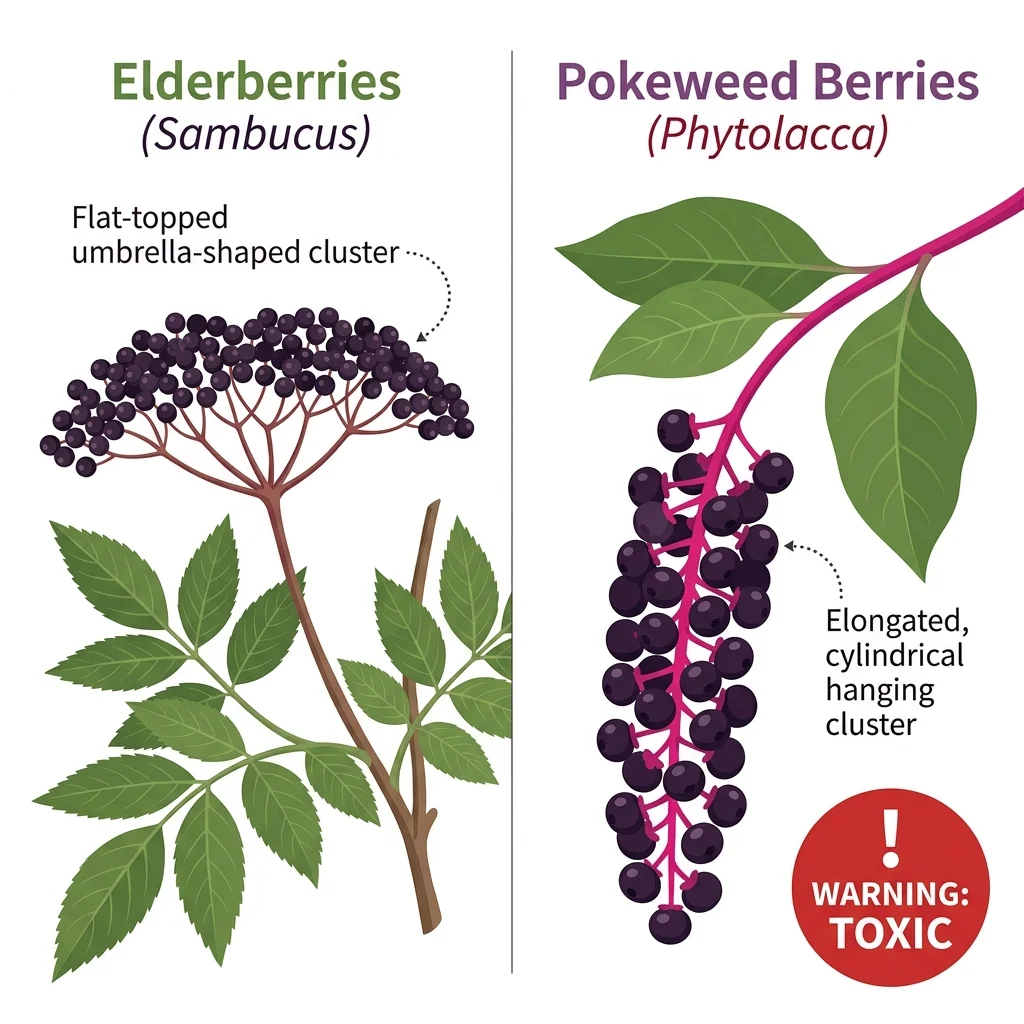
| Feature | Elderberries | Pokeweed Berries |
|---|---|---|
| Cluster Shape | Flat-topped umbrella cluster | Elongated, cylindrical hanging raceme |
| Berry Size | 5–6mm, round | 8–12mm, round, slightly larger |
| Stem Colour | Reddish when bearing fruit | Vivid magenta-purple stem |
| Danger Level | Safe when cooked | 🔴 HIGHLY TOXIC |
The Key Test: Cluster shape is definitive. Elderberries form flat or dome-shaped clusters. Pokeweed berries hang in elongated cylindrical spikes, like grapes. The vivid purple stem confirms Pokeweed.
Found In: Both grow across Europe and North America in hedgerows, garden borders, and forest edges.
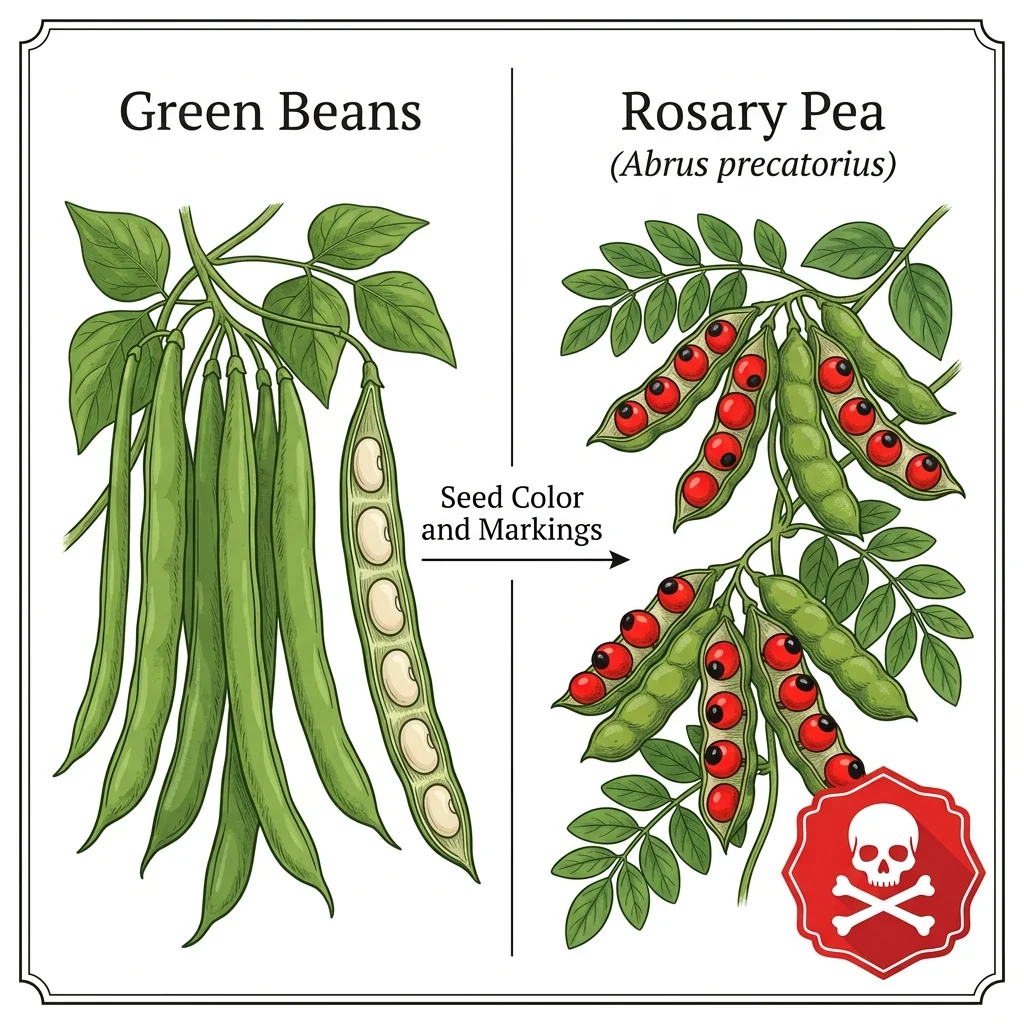
9. Green Beans vs. Rosary Pea (Abrus precatorius)
The Rosary Pea is one of the most toxic plants on the planet. Its distinctive red and black seeds contain abrin — one of the most potent plant toxins known. The vine occasionally grows near cultivated bean plants in tropical and subtropical gardens.
| Feature | Green Beans | Rosary Pea |
|---|---|---|
| Pods | Long, flat, green, edible | Shorter pods splitting to reveal vivid red-black seeds |
| Seeds | Uniform pale green or cream | Bright scarlet with a black spot — unmistakable |
| Leaves | Larger leaflets | Very fine, paired oval leaflets (pinnate) |
| Danger Level | Safe | 🔴 LETHAL — one chewed seed can be fatal |
The Key Test: No edible legume produces bright red seeds with a black eye. If a bean pod opens to reveal colourful seeds rather than plain ones, do not consume under any circumstances.
Found In: Tropical and subtropical regions worldwide — Asia, Africa, the Americas, the Caribbean, and Pacific islands.
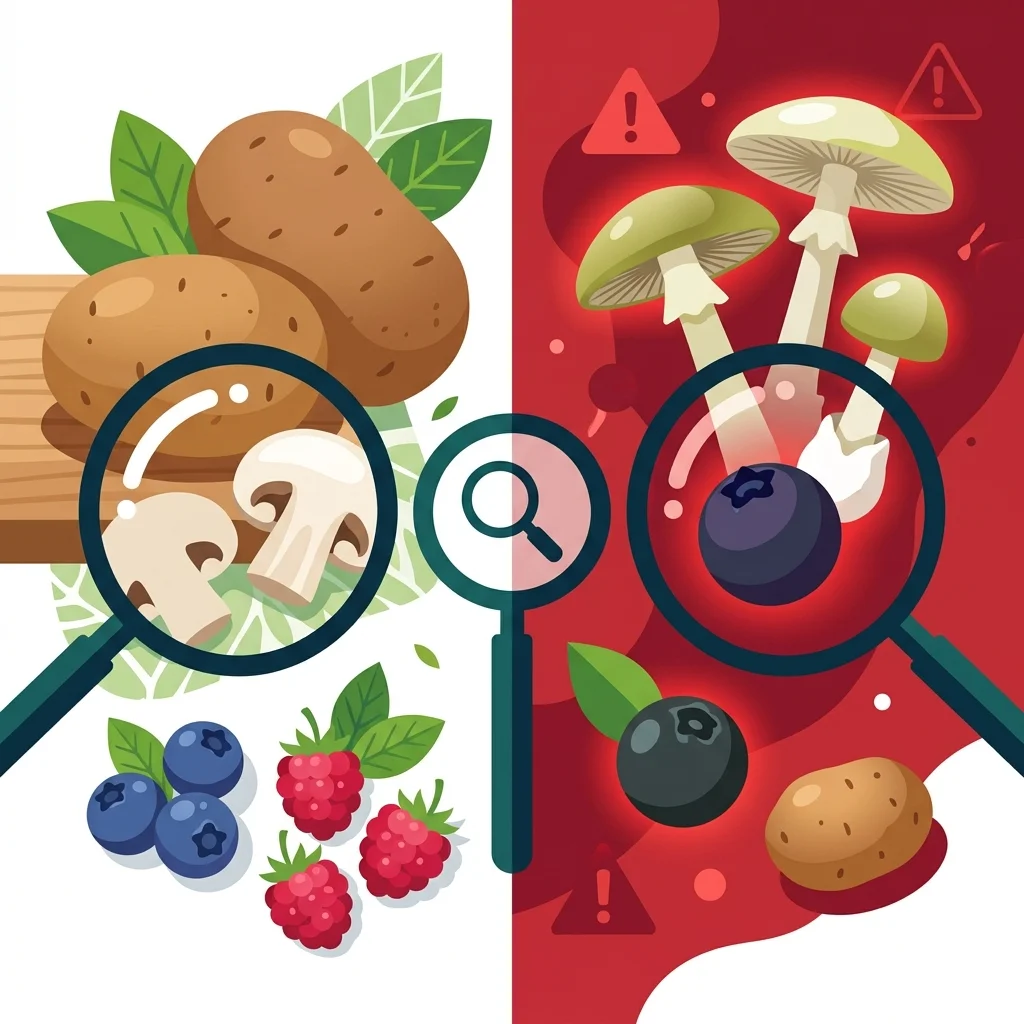
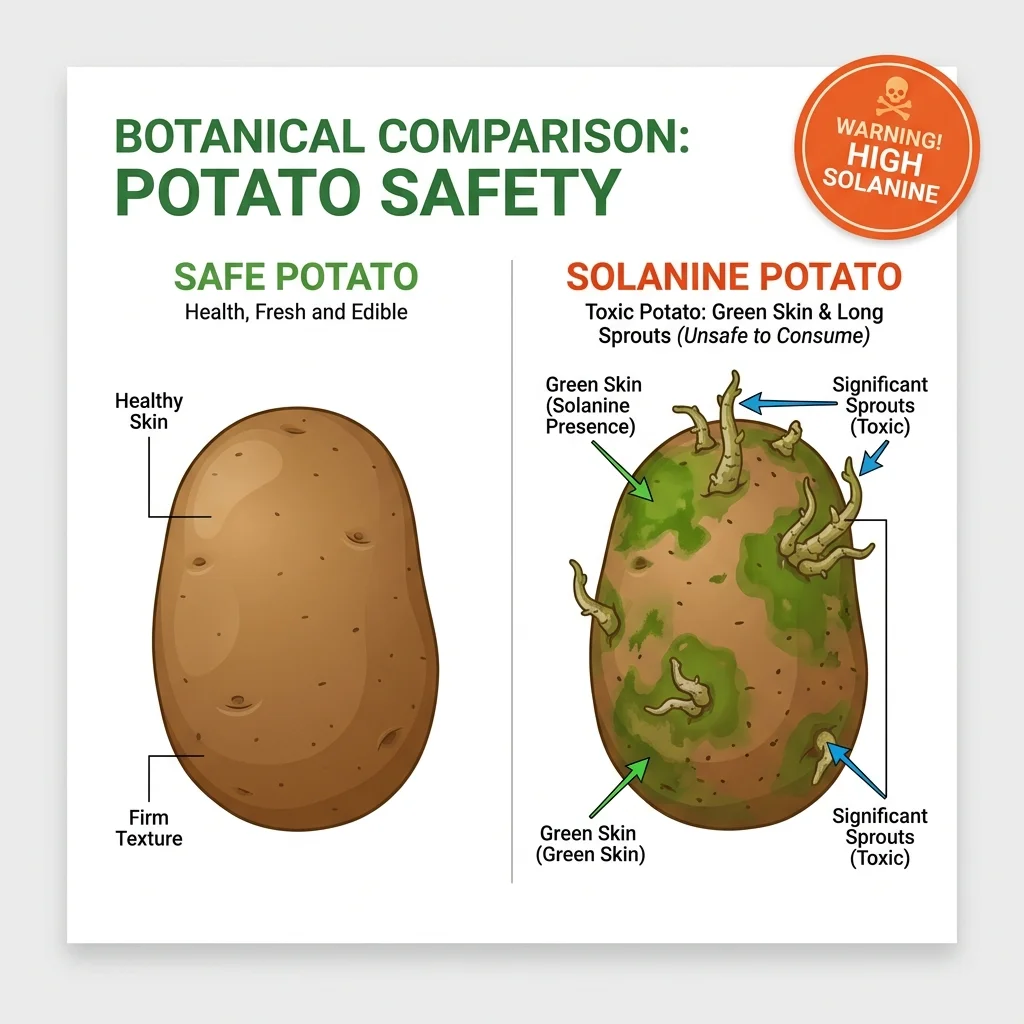
10. Safe Potato vs. Solanine-Affected Potato
This final entry is not a different species — it is a misuse risk within the same vegetable. Green potatoes exposed to light develop solanine — a toxic glycoalkaloid. Even well-grown potatoes can become toxic through simple storage mistakes.
| Indicator | Safe Potato | Solanine-Affected Potato |
|---|---|---|
| Skin Colour | Uniform brown, yellow, or red | Green patches visible on surface or under skin |
| Taste | Mild, starchy | Bitter, astringent |
| Sprouts | None or minimal | Long sprouts (chitting) |
| Solanine Level | < 200mg/kg (safe) | > 200mg/kg (toxic) |
The Fix: Always store potatoes in a cool, dark cupboard — never on a sunlit countertop. Cut away all green portions generously before cooking. Solanine is not destroyed by boiling, frying, or baking at normal temperatures.
Quick Reference: 5-Step Identification Checklist
Before consuming any foraged or unfamiliar plant:
- ✅ Smell Test — Crush a leaf. Does it smell as expected?
- ✅ Stem Inspection — Is the stem hollow, purple-blotched, or unusually coloured?
- ✅ Habitat Check — Does it grow where this vegetable normally grows?
- ✅ Fruit & Seed Shape — Are the seeds or berries the right colour and shape?
- ✅ Taste Micro-Test — Touch a tiny amount to your tongue. If bitter or unusual, stop immediately.
Use BioLens Food Guard for Visual Verification
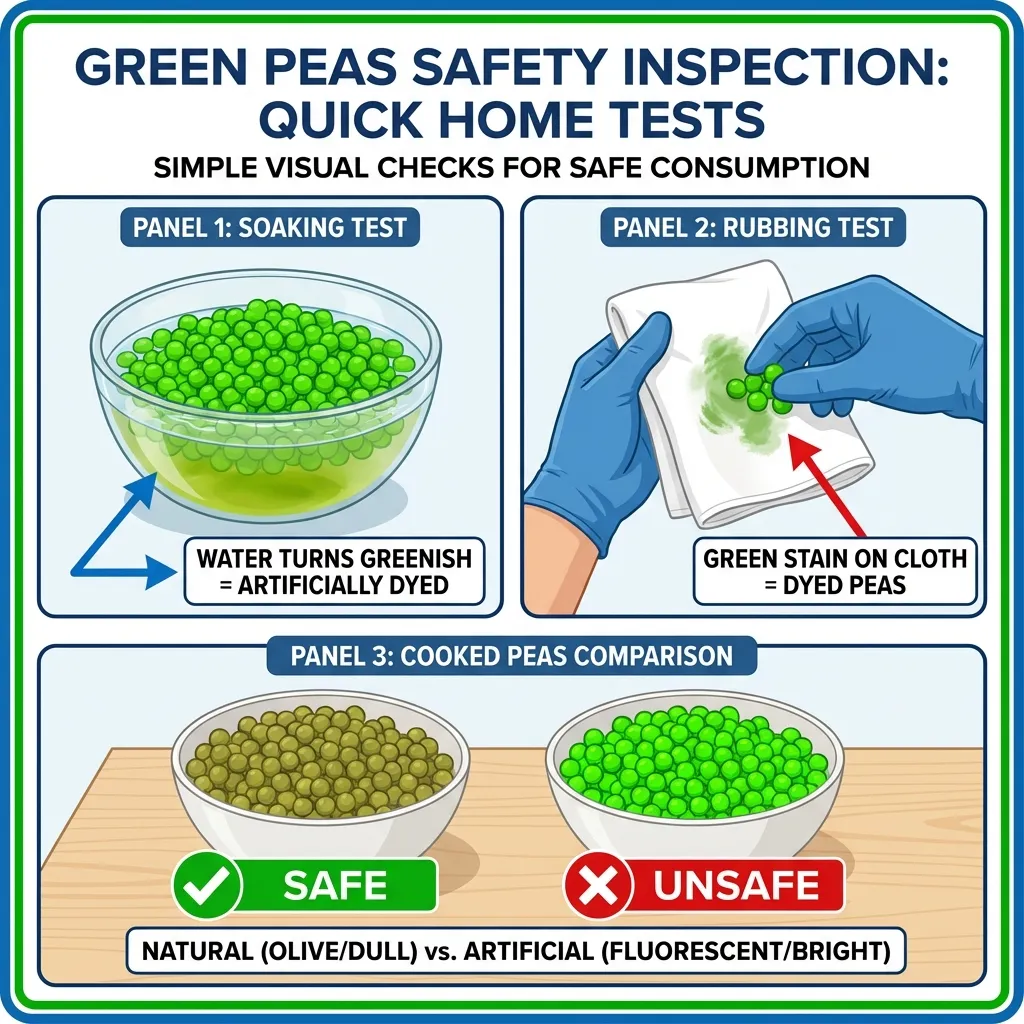
For any food item you are unsure about, BioLens Food Guard provides detailed visual identification guides, adulteration tests, and safety checklists.
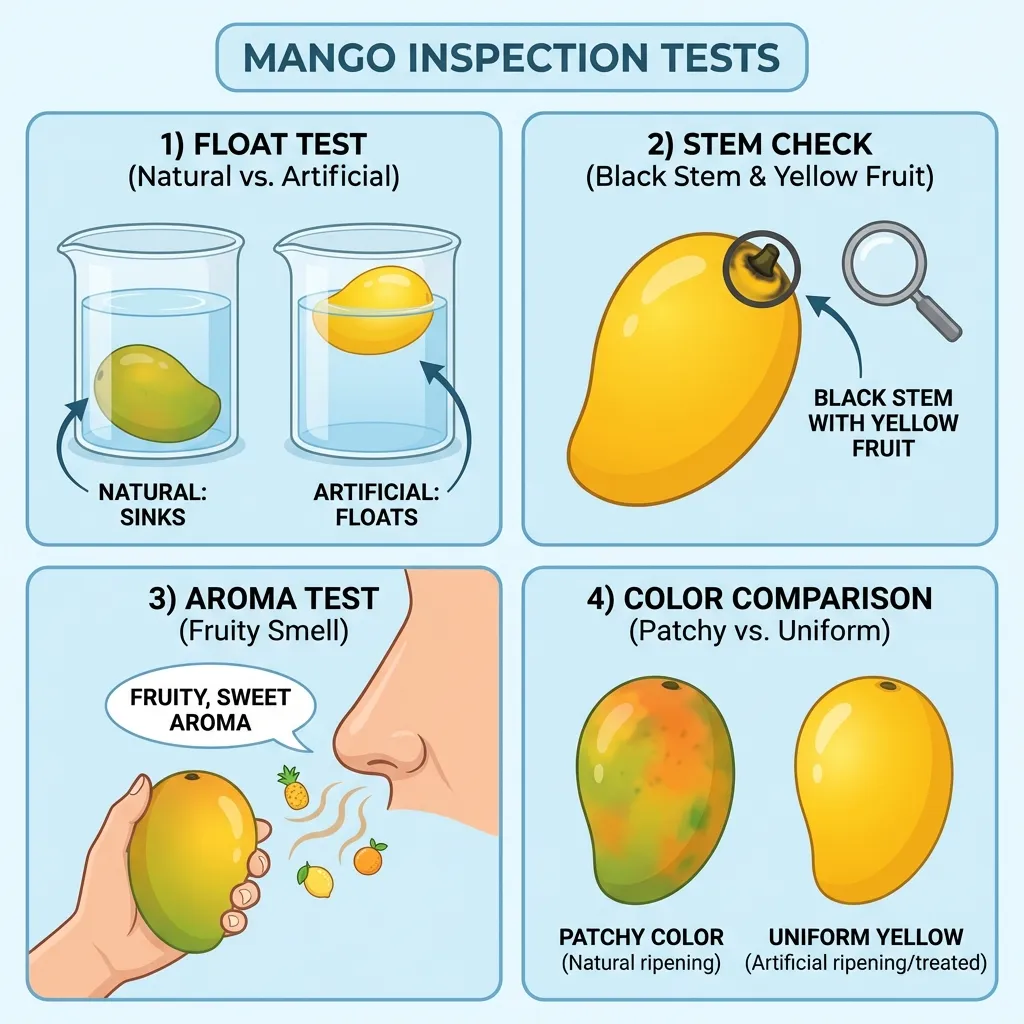
Food Guard Hub
Explore interactive purity checklists, 60-second kitchen chemistry tests, freshness comparison guides, and multilingual safety profiles across 15+ languages.
Identify Plant Diseases
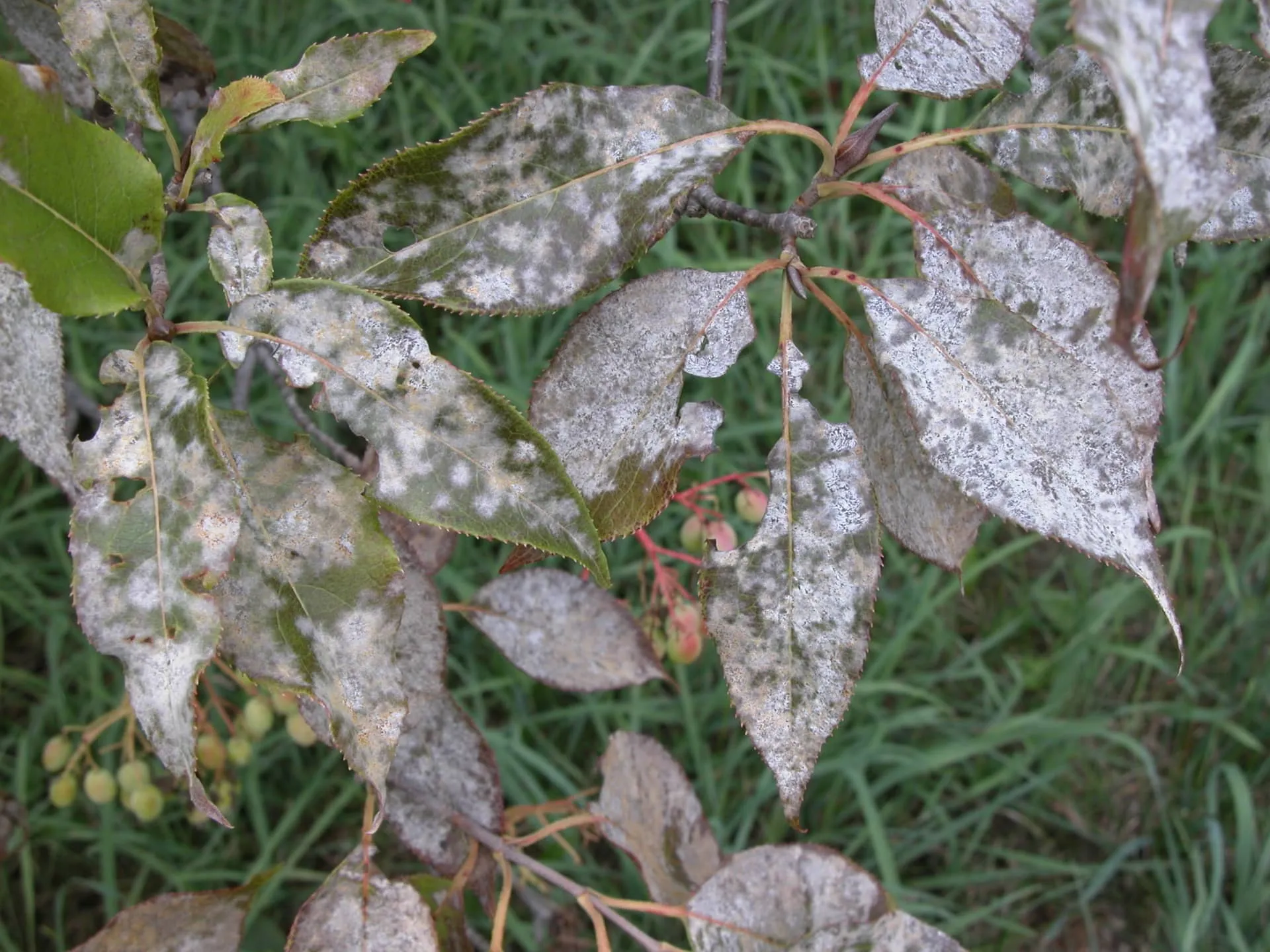
Snap or upload a clear photo of infected leaves, stems, or crop panicles to receive an instant AI disease diagnosis, severity score, and organic treatment recommendations.