
Is Butterfly Weed Safe for Dogs and Cats?
Asclepias tuberosa
Butterfly Weed (Asclepias tuberosa), commonly known as Orange Milkweed or Pleurisy Root, is an extremely popular native perennial wildflower celebrate...
Scan & Verify This Plant Specimen
Snap or upload a photo to verify botanical authenticity and test toxicity for cats, dogs, and birds.
Drop Butterfly Weed (Orange Milkweed) photo here to verify
or click to browse • Supports JPG, PNG, WEBP • Paste with Ctrl+V
Symptoms to Watch For
Current risk level for cats based on ingestion severity.
Information provided by BioLens Veterinary Database. In case of emergency, always consult a professional.
If your pet ate this plant:
Professional First Aid Summary:
IMMEDIATE EMERGENCY. Contact your vet or pet poison hotline immediately. Do not induce vomiting unless advised by a professional.
In-Depth Botanical Safety Analysis
Scientific evaluation and toxicological breakdown of Butterfly Weed (Orange Milkweed)
Butterfly Weed (Asclepias tuberosa), commonly known as Orange Milkweed or Pleurisy Root, is an extremely popular native perennial wildflower celebrated for its brilliant clusters of bright orange blossoms and its critical ecological role as a host plant for Monarch butterflies. Despite its beauty and value to pollinators, Butterfly Weed is highly toxic to dogs, cats, and horses. The primary active toxins found throughout the plant's tissues are cardiac glycosides (cardenolides). These compounds inhibit the cellular sodium-potassium pump, leading to serious cardiotoxic effects that interfere with normal heart muscle function.
Ingestion of any part of this plant (leaves, stems, flowers, or roots) triggers rapid clinical symptoms of poisoning. In cats and dogs, symptoms begin with excessive salivation or drooling, vomiting, and diarrhea. As the cardiotoxins accumulate, they cause neurological and cardiovascular signs including dilated pupils, muscular weakness, respiratory distress, and dangerous cardiac arrhythmias. In severe cases, ingestion can cause seizures, cardiovascular collapse, and death. Because of the high risk of cardiac dysfunction, exposure requires immediate emergency veterinary intervention.
If you suspect your pet has chewed or swallowed any part of a Butterfly Weed plant, contact your veterinarian or an emergency animal poison control center immediately. For a safe, pet-friendly alternative that provides vibrant midsummer orange and yellow colors in your garden, substitute Butterfly Weed with non-toxic options like the Marigold or Zinnia. To study the unique botanical markers, growing requirements, and floral formula of this prairie native, view our detailed Botanical Profile for Butterfly Weed.
To explore more information on pet safety and garden safety, browse our profiles on the related Great Blue Lobelia and Plumeria (Frangipani).
Toxic Parts
Recommended Pet-Safe Alternatives
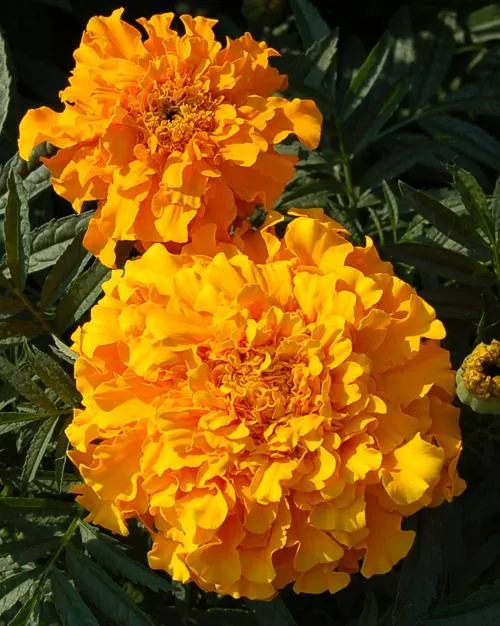 Pet Safe
Global Names & Multilingual Search
Specific Safety FAQs for Butterfly Weed (Orange Milkweed)
Is Butterfly Weed toxic to cats and dogs?
Yes, Butterfly Weed is highly toxic to both cats and dogs. It contains cardiac glycosides (cardenolides) that disrupt cellular sodium-potassium pumps, leading to heart rhythm irregularities, vomiting, diarrhea, weakness, and potentially fatal systemic toxicity.
What parts of the Butterfly Weed plant are dangerous to pets?
All parts of the Butterfly Weed plant are toxic, including the leaves, flowers, stems, pods, and roots. The roots and sap contain particularly high concentrations of toxic cardiac glycosides.
What toxic compounds are found in Butterfly Weed?
The primary toxins are cardenolides (cardiac glycosides) and other toxic alkaloids. These chemicals affect the nervous, gastrointestinal, and cardiovascular systems when ingested.
What is the emergency first aid for Butterfly Weed ingestion?
If ingestion is suspected, seek emergency veterinary assistance immediately. Do not attempt to induce vomiting at home unless instructed by a vet, as pets can suffer cardiac rhythm issues or aspiration.
What are pet-safe alternatives to Butterfly Weed?
If you want a safe garden with similar bright orange or yellow flowers, choose non-toxic annuals or perennials like Marigolds, Zinnias, or Calendula, which are completely safe for cats and dogs.
20 Dangerous Garden Plants: Cat Toxicity & Safety Guide
Felines are highly sensitive to houseplants and flowers. Learn which 20 common species cause severe or fatal reactions in cats, including lilies, and discover safe, cat-friendly garden alternatives.