
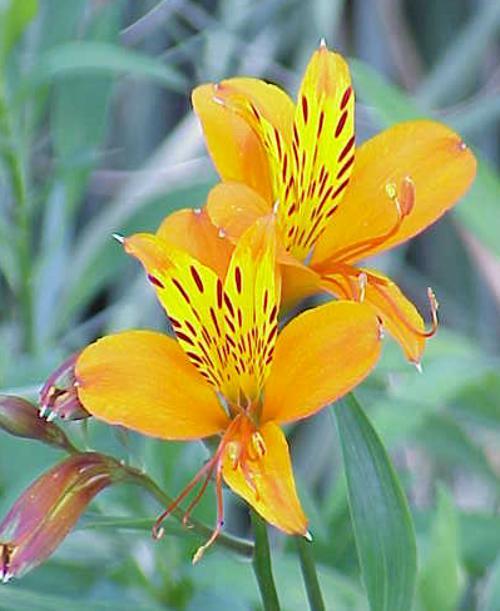
Peruvian Lily
Alstroemeria
Basic Details
Floral Formula & Features
Ebracteate, radially symmetrical (actinomorphic), bisexual, perianth of 6 tepals in two whorls of 3 (outer 3 and inner 3, inner ones often spotted), 6 stamens in two whorls of 3, 3 fused carpels with inferior ovary
- Named after Swedish botanist Baron Klas von Alströmer. Called Lily of the Incas - native to Andes mountains. About 120 Alstroemeria species. Not a true lily (different family). Popular varieties: 'Indian Summer,' 'Princess Lilies,' 'Inca Ice'
- Flowers 1.5-2.5 inches (4-6 cm) across, six petals (actually tepals) in two whorls. Distinctive speckles, stripes, or blotches on inner petals. Colors: pink, red, purple, yellow, orange, white, bicolors. Blooms late spring through summer (May-August). Each stem has 6-15 flowers in clusters
- Herbaceous perennial with unique resupinate leaves - twist 180° so underside faces up. Leaves narrow, lance-shaped, 2-4 inches long. Grows from fleshy tuberous roots (rhizomes). Dies back in winter, regrows in spring. Spreads to form clumps
- Grows 1-3 feet (30-90 cm) tall, dwarf varieties 8-12 inches. Spread 1-2 feet, can expand to 3 feet over time. Lifespan 3-5+ years. Propagated by division of rhizomes (spring or fall) or seeds. Divide every 3-4 years for best blooms
- Native to South America, particularly Andes mountains of Peru, Chile, Brazil, Argentina. Found at high elevations in cool mountain valleys. Now cultivated worldwide. Naturalized in parts of US, Australia, New Zealand, Canary Islands
- Requires full sun to partial shade (4-6 hours sun). Prefers cool roots, warm tops. Needs well-drained soil - hates wet feet. Regular watering during growth. Mulch to keep roots cool. Hardy zones 7-10. Protect from extreme heat and frost
- Exceptional cut flower - lasts 2-3 weeks in vase, longer than most flowers. Popular in wedding bouquets and arrangements. Excellent border and container plant. Attracts hummingbirds and butterflies. Deer and rabbit resistant. Low maintenance once established
- Symbolizes friendship, devotion, and wealth in flower language. Each petal represents different virtue: patience, understanding, humor, commitment, respect, empathy. Popular gift flower. Can be invasive in some regions - check local regulations before planting
Names in Different Languages
What is Floral Formula?
A floral formula is a symbolic representation of a flower's structure using letters, numbers, and special symbols. It provides a concise way to describe the arrangement and number of floral parts.
This formula describes the flower's symmetry, sepals, petals, stamens, and carpels in a standardized format.
Formula Sequence
- Bract: Br or Ebr
- Bracteole: Brl or Ebrl
- Symmetry: % (Radial) or ⊕ (Bilateral)
- Sex: ♀ (Female), ♂ (Male), or ⚥ (Bisexual)
- Calyx/Sepal: K<number> (Free or Fused)
- Corolla/Petal: C<number> (Free or Fused)
- Androecium: A<number> (Free or Fused)
- Gynaecium: G<number> (Superior or Inferior Ovary)
Symbol Meanings
- Numbers: Indicate quantity of parts
- Parentheses (): Parts are fused together
- Plus (+): Parts in different whorls
- Underline: Superior ovary position
- Overline: Inferior ovary position
- ∞: Numerous parts (too many to count)
Understanding floral formulas helps botanists quickly identify and classify flowers based on their structural characteristics.
Similar Flowers
Discover flowers that share botanical characteristics
Similar Characteristics
4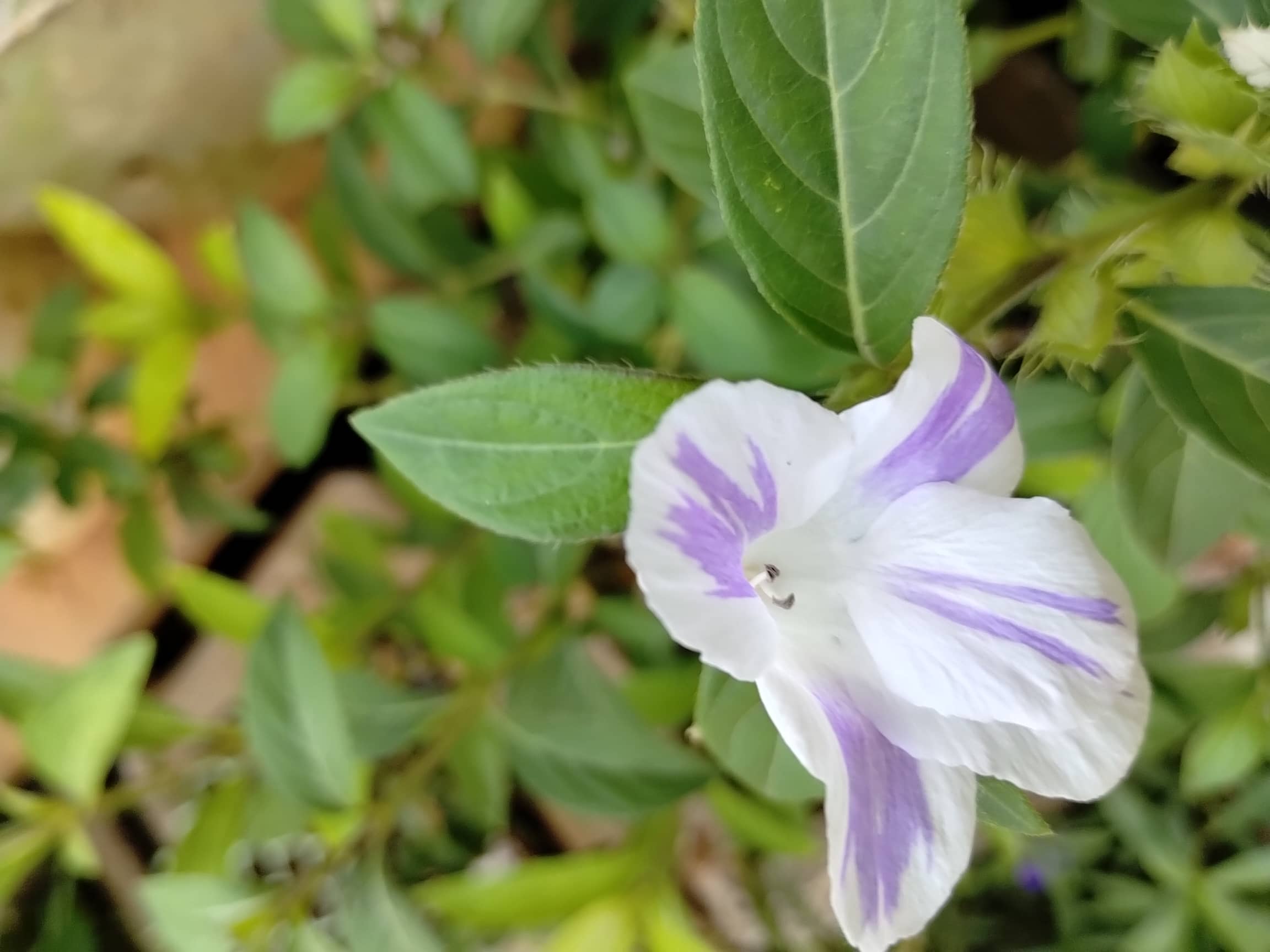
December
Barleria Cristata,Barleria prioniti
Attractive evergreen shrub featuring tubular flowers with distinctive crested or...
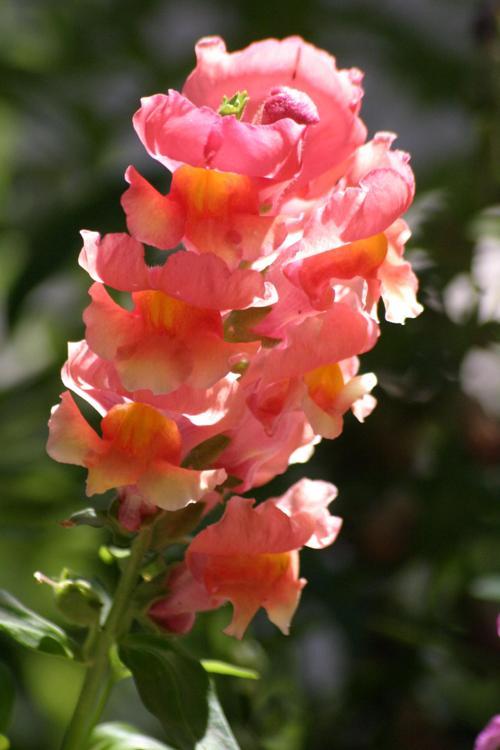
Antirrhinum
Antirrhinum
Charming cottage garden favorite with distinctive two-lipped flowers that open a...
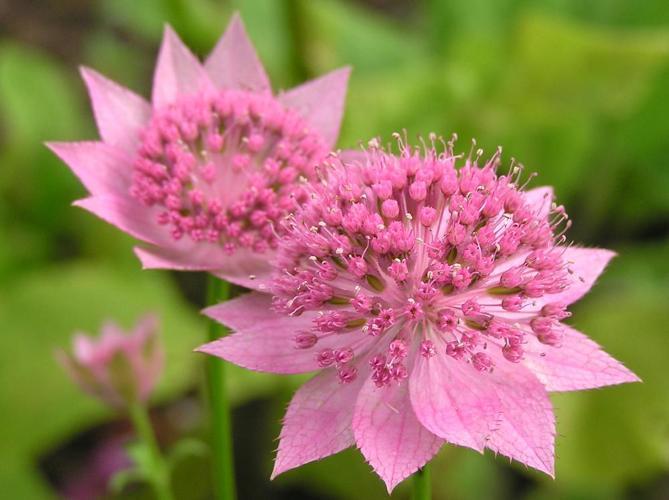
Masterwort
Astrantia
Distinctive perennial with star-shaped flower heads composed of tiny florets sur...
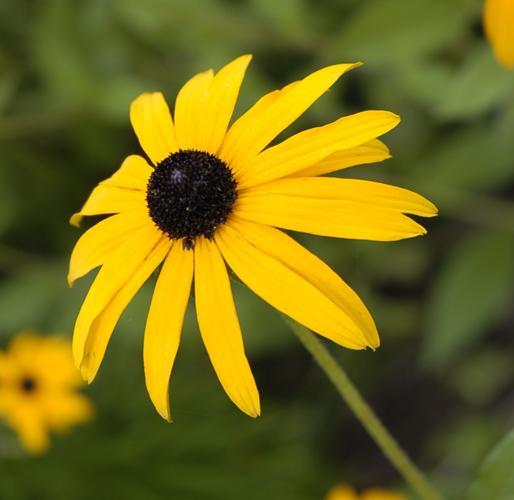
Black eyed Susan
Rudbeckia hirta
Cheerful native wildflower featuring bright golden-yellow ray petals surrounding...