Water Lily
Nymphaea
Basic Details
Floral Formula & Features
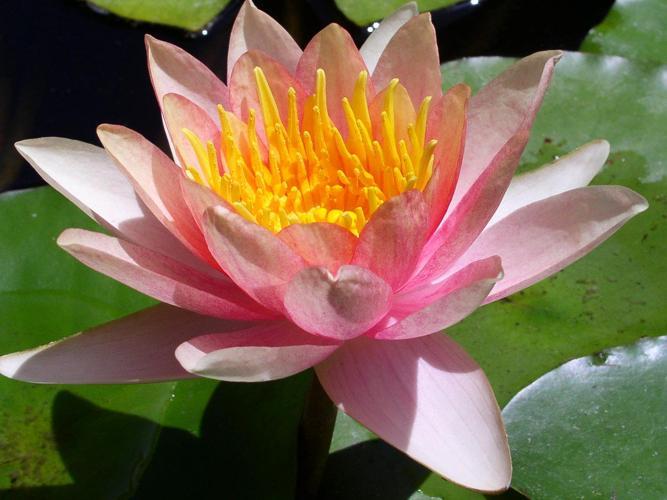
Ebracteate (no bracts), Actinomorphic (radially symmetrical), bisexual, numerous free tepals in spiral arrangement (perianth - no clear distinction between sepals and petals), numerous free stamens in spiral, numerous free carpels embedded in receptacle with inferior ovary
- Name 'Nymphaea' from Greek nymph (water nymph), referring to aquatic habitat. About 50 species worldwide. Hardy types survive freezing if rhizomes below ice. Tropical types need warm water 70°F+ (21°C+). Flowers symbolize purity, enlightenment in many cultures
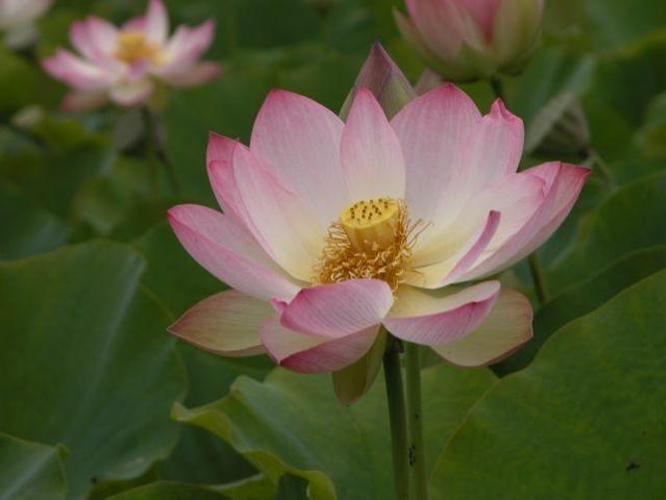
- Showy flowers 3-12 inches (8-30 cm) across with 6-50 petals and 20-750 stamens. Colors include white, pink, yellow, red, blue, peach. Many fragrant. Open during day (most hardy types) or night (some tropicals). Each flower blooms 3-4 days, opening and closing daily
- Aquatic perennial growing from thick fleshy rhizomes or tubers anchored in mud. Round waxy lily pads 4-12 inches (10-30 cm) across float on surface with radial notch. Leaves contain air spaces for buoyancy. Summer dormant in some species
- Flowers rise 2-12 inches (5-30 cm) above water depending on species. Spread 3-12 feet (90-360 cm) across pond surface. Lifespan 20+ years. Propagated by division of rhizomes or seeds. Plant depth 6-36 inches (15-90 cm) depending on variety
- Native to temperate and tropical regions worldwide on all continents except Antarctica. Found in still or slow-moving freshwater - ponds, lakes, slow streams. Hardy types native to North America, Europe, Asia. Tropical types from Africa, Asia, Australia
- Requires full sun (6+ hours) for best flowering. Needs still or slow-moving water. Hardy types zones 3-11, tropical types zones 9-11 (or grown as annuals). Plant in heavy loam soil or aquatic compost. Fertilize monthly during growing season with aquatic tablets
- Provides shade reducing water temperature and algae growth. Oxygenates water. Shelter for fish, frogs, insects. Flowers attract bees, butterflies. Seeds eaten by waterfowl. Roots/rhizomes edible in some species (lotus). Used in water gardens, koi ponds
- Remove dead leaves and spent flowers. Divide crowded plants every 3-4 years. Hardy types: cut back in fall, leave rhizomes in pond over winter. Tropical types: bring indoors or treat as annuals in cold climates. Control aphids with water spray. Deer resistant
Names in Different Languages
What is Floral Formula?
A floral formula is a symbolic representation of a flower's structure using letters, numbers, and special symbols. It provides a concise way to describe the arrangement and number of floral parts.
This formula describes the flower's symmetry, sepals, petals, stamens, and carpels in a standardized format.
Formula Sequence
- Bract: Br or Ebr
- Bracteole: Brl or Ebrl
- Symmetry: % (Radial) or ⊕ (Bilateral)
- Sex: ♀ (Female), ♂ (Male), or ⚥ (Bisexual)
- Calyx/Sepal: K<number> (Free or Fused)
- Corolla/Petal: C<number> (Free or Fused)
- Androecium: A<number> (Free or Fused)
- Gynaecium: G<number> (Superior or Inferior Ovary)
Symbol Meanings
- Numbers: Indicate quantity of parts
- Parentheses (): Parts are fused together
- Plus (+): Parts in different whorls
- Underline: Superior ovary position
- Overline: Inferior ovary position
- ∞: Numerous parts (too many to count)
Understanding floral formulas helps botanists quickly identify and classify flowers based on their structural characteristics.
Similar Flowers
Discover flowers that share botanical characteristics