Geranium
Geranium, Pelargonium
Basic Details
Description
Floral Formula
Features
Translations
Related
Basic Details
NameGeranium
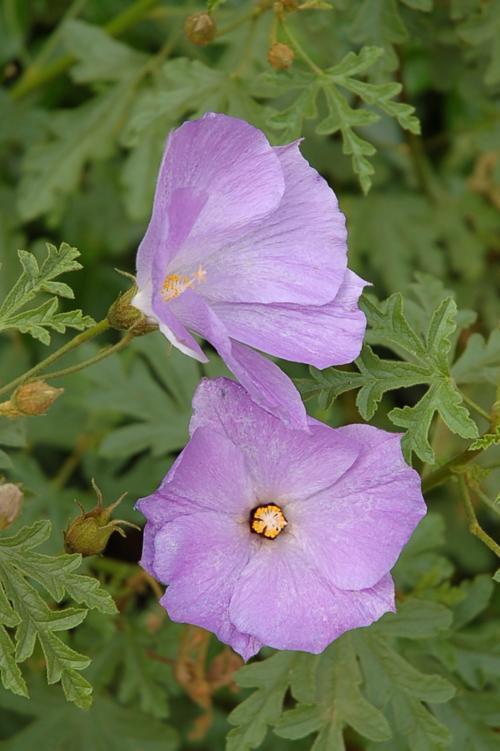
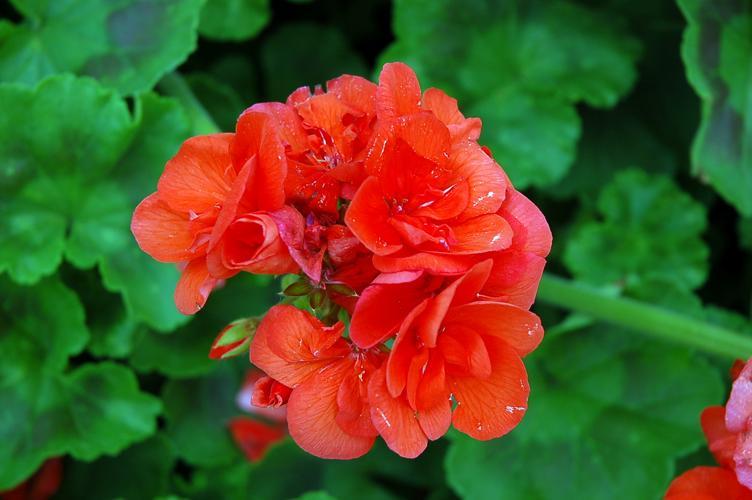
DescriptionVibrant flowering plants known for their colorful and often fragrant blooms. The leaves are often lobed or divided, and some varieties are aromatic, with a rose-like scent
FamilyGeraniaceae
GenusGeranium
TribeGeranieae
Floral Formula & Features
Floral FormulaK5 C5 A5+5 G(5)
This formula indicates a 5 sepals (K5), 5 petals (C5), 10 stamens in two whorls (A5+5), and a 5-carpel gynoecium with a superior ovary (G(5))
Features
- The name 'Geranium' comes from the Greek word 'geranos', meaning 'crane'
- Five petals, often rounded or slightly heart-shaped, and can be various colors like white, pink, purple, or blue with distinctive veining
- It is a biennial, perennial, or annual flower
- Grow to be a height of 6 inches to 2 feet and it can live for several years
- Native to South Africa, Cape Provinces and found in India, North America, Europe, Easternmost Great Plains
- Thrive at least 6 hours of sunlight daily and well-drained soil, requiring moderate to regular watering, allowing the soil to dry out slightly between waterings
Names in Different Languages
Latin / ScientificGeranium, Pelargonium
English (Alternate)Storksbill, Cranesbill, Alum root, Alum bloom, Spotted cranesbill, Wild cranesbill
Hindiजेरेनियम (Jeranium), कषायमूल (Kashayamool), जिरेनियम पौधा (Jeranium Paudha)
Tamilதோட்டச் செடி (thottach sedi), பகட்டு மலர் (pagattu malar)
Teluguజెరేనియం (Jeranium), నూరు వరహాలు (Nooru Varahalu)
Malayalamപെലാർഗോണിയം (Pelargonium), ജെറേനിയം(Geranium)
Kannadaಪನ್ನೀರುಸೊಪ್ಪು(pannirusoppu), ಪನ್ನೀರ್ ಪತ್ರೆ (pannir patre), ಜಿರೇನಿಯಮ್(jirēniyam)
Sanskritसुरभिपुष्प (Surabhipushpa)
Bengaliজেরানিয়াম (Jeranium), গার্ডেন জেরানিয়াম (Garden Jeranium)
Frenchgéranium
Russianпеларгония (pelargoniya), герань (geranʹ)
Spanishgeranio, malvón, cardenal
GermanGeranie, Pelargonie
What is Floral Formula?
A floral formula is a symbolic representation of a flower's structure using letters, numbers, and special symbols. It provides a concise way to describe the arrangement and number of floral parts.
Example Formula
% K(6) C1+2+(2) A(9) G2
This formula describes the flower's symmetry, sepals, petals, stamens, and carpels in a standardized format.
Formula Sequence
- Bract: Br or Ebr
- Bracteole: Brl or Ebrl
- Symmetry: % (Radial) or ⊕ (Bilateral)
- Sex: ♀ (Female), ♂ (Male), or ⚥ (Bisexual)
- Calyx/Sepal: K<number> (Free or Fused)
- Corolla/Petal: C<number> (Free or Fused)
- Androecium: A<number> (Free or Fused)
- Gynaecium: G<number> (Superior or Inferior Ovary)
Symbol Meanings
- Numbers: Indicate quantity of parts
- Parentheses (): Parts are fused together
- Plus (+): Parts in different whorls
- Underline: Superior ovary position
- Overline: Inferior ovary position
- ∞: Numerous parts (too many to count)
Understanding floral formulas helps botanists quickly identify and classify flowers based on their structural characteristics.
Similar Flowers
Discover flowers that share botanical characteristics