
Ayurvedic Products Safety Inspection
Check for heavy metal contamination and proper processing in Ayurvedic medicines
Inspection Guide
Click to enlarge
Ayurvedic Product Purity Guide
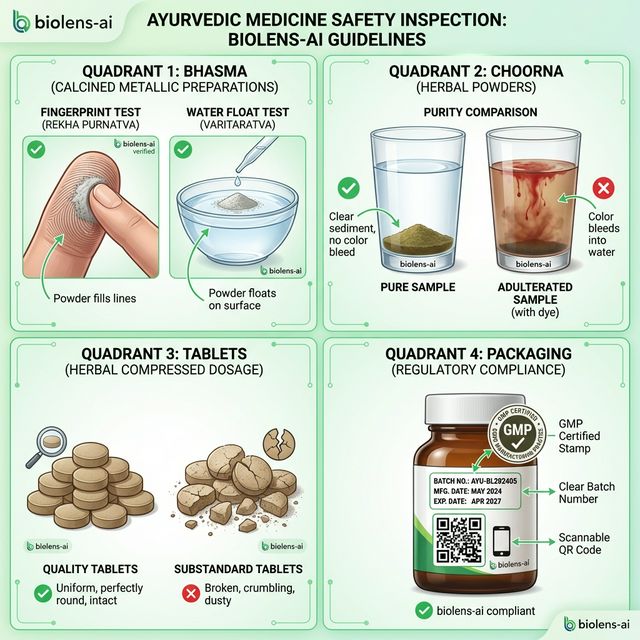
Ayurvedic products are powerful, but poorly processed mineral-based "Bhasmas" or adulterated "Choornas" can be dangerous.
1. Bhasma Purity (The Float Test):
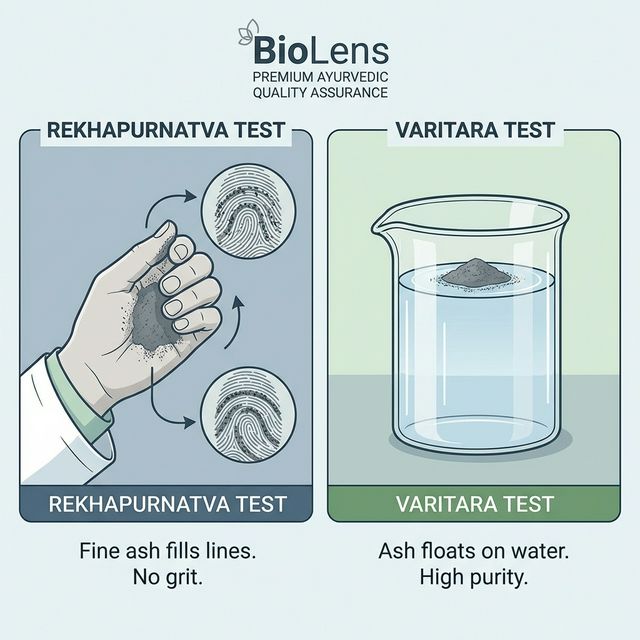
Take a tiny pinch of Bhasma (mineral powder) and sprinkle it on still water. High-quality, nano-processed Bhasma should float (Varitara). If it sinks immediately, it may be poorly processed and contain raw heavy metals.
2. Choorna Check (The Finger-Line Test):
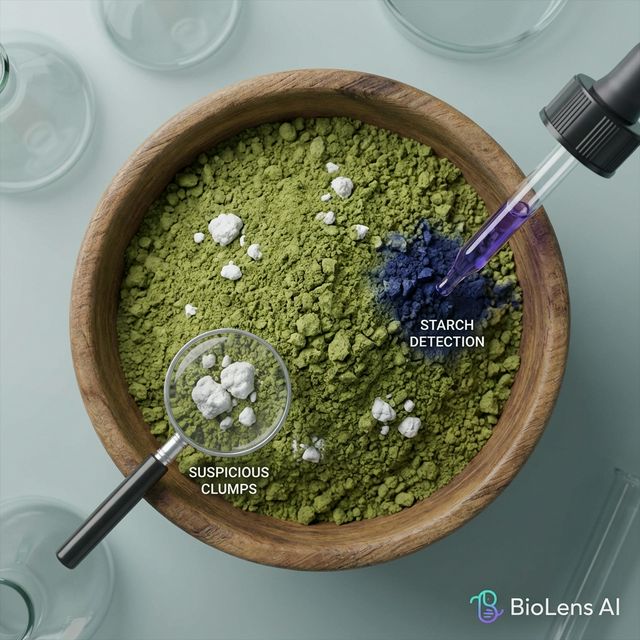
Rub herbal powder between your thumb and index finger. It should be so fine that it enters and fills the fine lines of your fingerprint (Rekhapurnatva). Gritty texture suggests sand, dirt, or poor grinding.
3. The Lustre Check:
Observe the powder under bright light. A properly prepared Bhasma must have zero metallic shine (Nishchandratvam). Any sparkle or "glitter" indicates raw, unreacted metal which is highly toxic.
4. Label & Packaging Audit:
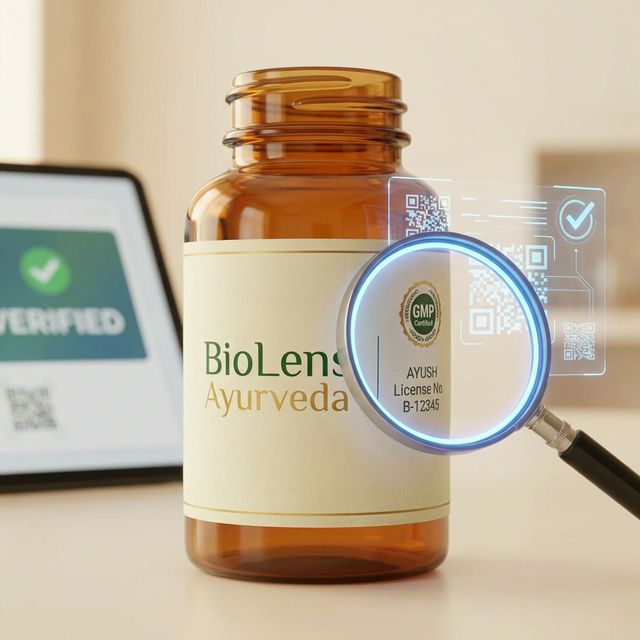
Always verify the AYUSH License Number and a genuine GMP (Good Manufacturing Practice) seal. Avoid labels with vague "Proprietary Blends" that don't list botanical names like *Withania somnifera* (Ashwagandha).
5. The Starch Test:
Add a drop of iodine to a small sample of Choorna. If it turns blue, it has been adulterated with cheap starch or flour fillers.
Visual Inspection Reference
 Bhasma Float Test
 Choorna Texture Check
 Tablet Integrity
 Label Verification
Quick Safety Tips
- Sprinkle on water - premium Bhasmas must float
- Rub between fingers - should fill fingerprint lines
- Check for metallic shimmer - there should be none
- Verify the AYUSH license number on the label
- Avoid products promising "instant" cures for chronic issues
What CANNOT be Verified (Lab-Only)
The "Invisible Killers" - What Visual Inspection Cannot Detect:
* Heavy Metal PPM: You cannot see, smell, or taste Lead, Arsenic, or Mercury in parts-per-million (PPM) concentrations. Even "good-looking" herbs can be contaminated via the soil they grew in. This requires ICP-MS testing.
* Synthetic Adulterants: Some unscrupulous manufacturers mix Steroids (for pain), Sildenafil (for vitality), or Statins into "herbal" powders to show instant results. These can only be detected via HPLC (High-Performance Liquid Chromatography).
* Mycotoxins: Molds produce toxins (like Aflatoxins) that remain in the product even if the visible mold is cleaned off. These are highly carcinogenic and require lab analysis.
* Pesticide Residue: Traces of modern agricultural pesticides used during farming can only be identified through professional residue analysis.
Chemical Concerns
Step 1: AI Visual Scan
New to BioLens? Try a sample test